Warner Bros. Television: A Legacy of Production and Distribution Excellence
Since its inception in the mid-1950s, Warner Bros. Television (WBTV) has stood as a titan in the global media landscape. As the flagship studio of the Warner Bros. Television Group, it has evolved from a cautious entry into a new medium into one of the world's largest television production and distribution powerhouses. Today, it serves as a vital production arm for major brands like DC Comics and a key distributor for networks including HBO, Cartoon Network, and Adult Swim.
Key Facts
- Founded: March 21, 1955, by William T. Orr.
- Headquarters: Burbank, California, United States.
- Parent Company: Warner Bros. Entertainment (a division of Warner Bros. Discovery).
- Industry Standing: One of the world's two largest television production companies by revenue and library size.
- Core Services: Television production and global distribution.
The Evolution of a Television Giant
The rise of television in the post-World War II era initially caused concern among Hollywood film executives, who feared the new medium would destroy the traditional studio system. While some studios were slow to react, Warner Bros. formally entered the fray on March 21, 1955, with the anthology series Warner Bros. Presents on ABC.
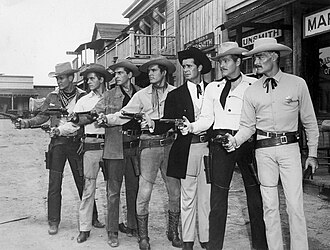
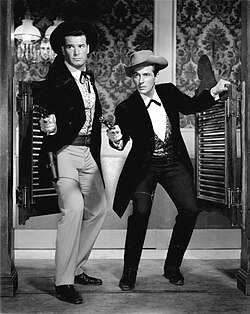
One of the studio's earliest major successes was the Western series Cheyenne, starring Clint Walker. As the first one-hour weekly television Western, it became a massive hit and pioneered a unique marketing strategy by using the final ten minutes of each episode to promote upcoming Warner Bros. cinema releases.
Expanding Genres and Audiences
Throughout the 1960s, the studio diversified its programming to reach different demographics. In 1960, they targeted younger viewers with The Bugs Bunny Show, bringing iconic animation to prime time. The decade also saw experimental genre shifts, such as the Western spoof F Troop, which remains a recognized classic despite its relatively short run.
By the 1970s, the studio had expanded its reach significantly. A landmark moment occurred in 1975 with the production of Wonder Woman, starring Lynda Carter. This era also marked a period of corporate restructuring, as the studio became part of the Kinney National Company following its acquisition of Warner Bros. in 1969.

Growth, Acquisitions, and Modern Era
The late 20th century was defined by strategic acquisitions and partnerships. The integration of Lorimar-Telepictures in 1989 and the subsequent folding of Lorimar Television into WBTV in 1993 significantly bolstered the studio's production capabilities. The 1990s also saw the studio collaborate with legendary creators, including the writers of the hit series Friends.
In the 21st century, Warner Bros. Television has embraced digital evolution and specialized divisions. In 2006, the studio began making portions of its vast library available for online viewing. More recently, the studio has expanded its animation footprint through deals with platforms like Amazon Prime Video, resulting in projects such as Batman: Caped Crusader.
Organizational Structure and Divisions
The studio operates through several specialized divisions to manage its diverse portfolio:
- Warner Bros. Animation: The successor to Warner Bros. Cartoons, managing iconic characters like Looney Tunes.
- Warner Horizon Unscripted Television: Focused on non-scripted content.
- Warner Bros. Domestic Television Distribution: Manages the syndication and sale of programs.
- Telepictures: A dedicated television production company.

Summary of Studio Profile
| Category | Details |
|---|---|
| Founder | William T. Orr |
| Key Leadership | Channing Dungey (Chairwoman & CEO), Brett A. Paul (President) |
| 2015 Revenue | US$5.62 billion |
| 2015 Operating Income | US$344 million |
| Primary Products | Television programs |
Frequently Asked Questions
Who founded Warner Bros. Television?
The division was founded by William T. Orr on March 21, 1955.
What is the relationship between WBTV and The CW?
Warner Bros. Television serves as a production arm for The CW. Ownership of the network is split between Nexstar Media Group (81%), Warner Bros. Discovery (9.5%), and Paramount Skydance Corporation (9.5%).
Which major animation studios are part of the group?
The group includes Warner Bros. Animation and Cartoon Network Studios.
How large is the Warner Bros. Television library?
As of 2015, the company was ranked as one of the two largest television production companies in the world based on revenue and library size, alongside Sony Pictures Television.
What does the studio do besides production?
In addition to television production, the studio handles television distribution, serving as the distribution arm for units such as HBO, Cartoon Network, and Adult Swim.