Warner Bros. Television: A Legacy of Iconic Programming and Global Production
From the golden age of Westerns to the modern era of streaming giants, Warner Bros. Television (WBTV) has stood as a cornerstone of the entertainment industry. As the flagship studio of the Warner Bros. Television Group, this powerhouse division has shaped the landscape of global television for nearly seven decades, producing content that spans every genre and demographic imaginable.
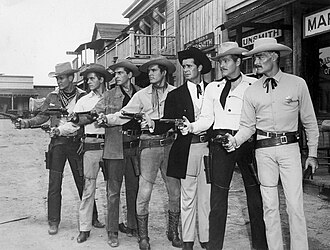
Founded on March 21, 1955, by William T. Orr, the studio emerged during a transformative period in media history. As television began to rise in popularity following World War II, major film studios were forced to adapt to the new medium. Warner Bros. was among the early movers, transitioning from a film-centric model to a robust television production and distribution powerhouse.
Key Facts
- Founded: March 21, 1955, by William T. Orr.
- Headquarters: Burbank, California, USA.
- Parent Company: Warner Bros. Entertainment (a division of Warner Bros. Discovery).
- Industry Standing: One of the world's two largest television production companies by revenue and library size.
- Core Services: Television production and distribution.
The Evolution of a Television Giant
The studio's early years were defined by groundbreaking anthology series and genre-defining hits. One of its first major successes was the Western series Cheyenne, which became a massive hit for ABC. This success paved the way for a diverse slate of programming, including the 1960s introduction of animation for younger audiences through The Bugs Bunny Show.

Throughout the 1960s and 1970s, the studio navigated various corporate shifts, including the era of Warner Bros.-Seven Arts Television. This period saw the production of beloved classics like the Western spoof F Troop and the iconic 1975 series Wonder Woman, starring Lynda Carter.

Expansion and Acquisitions
As the industry matured, Warner Bros. Television grew through strategic acquisitions and partnerships. The 1989 acquisition of Lorimar-Telepictures and the subsequent folding of Lorimar Television into WBTV in 1993 significantly bolstered its production capabilities. The studio also became a home for legendary creators, including the writers of the massive hit Friends.
In the 21st century, the studio has expanded its reach into digital and international markets. This includes managing the distribution of major brands like Hanna-Barbera (notably Scooby-Doo) and acquiring companies like Alloy Entertainment to diversify its content portfolio.

Organizational Structure and Divisions
Today, Warner Bros. Television operates through several specialized divisions to manage its vast array of content and distribution needs:
- Warner Horizon Unscripted Television: Focused on non-scripted programming.
- Warner Bros. Animation: The successor to Warner Bros. Cartoons, responsible for iconic characters like the Looney Tunes.
- Warner Bros. Domestic Television Distribution: Handles the syndication and sale of programs within the United States.
- Cartoon Network Studios: A key subsidiary within the animation landscape.

Global Reach and Modern Partnerships
The studio's influence is truly worldwide. Through Warner Bros. International Television Production, the company manages operations across various global territories. Furthermore, the studio continues to innovate through partnerships with streaming platforms, such as recent collaborations with Amazon Prime Video for DC animated content like Batman: Caped Crusader.
Summary of Studio Profile
| Category | Details |
|---|---|
| Trade Name | Warner Bros. Television |
| Founded | March 21, 1955 |
| CEO/Chairwoman | Channing Dungey |
| Key Subsidiaries | Warner Bros. Animation, Telepictures, Alloy Entertainment |
| Primary Services | Television Production & Distribution |
Frequently Asked Questions
Who founded Warner Bros. Television?
The division was founded by William T. Orr on March 21, 1955.
What is the relationship between WBTV and The CW?
Warner Bros. Television serves as a production arm for The CW, alongside CBS Studios and CW Studios. Warner Bros. Discovery holds a 9.5% stake in the network.
Which major animation studios are part of the Warner Bros. family?
The group includes Warner Bros. Animation and Cartoon Network Studios, managing legendary properties like Looney Tunes and Scooby-Doo.
How large is Warner Bros. Television in the industry?
As of 2015, it was ranked as one of the world's two largest television production companies based on revenue and library size, alongside Sony Pictures Television.
What does the studio produce for streaming services?
The studio produces scripted series for various platforms, including HBO Max, external streaming services, and cable networks.