War in Afghanistan (2001–2021)
The War in Afghanistan was a protracted military conflict spanning nearly two decades, from October 7, 2001, to August 30, 2021. Initiated as a primary component of the War on Terror, the conflict began with a US-led invasion to dismantle Al-Qaeda and remove the Taliban regime that provided them sanctuary. Over twenty years, the war evolved from a rapid invasion into a complex counter-insurgency and nation-building effort involving dozens of international partners.
Despite the establishment of the Islamic Republic of Afghanistan and significant international investment, the conflict concluded with a decisive Taliban victory, resulting in the group regaining control over the country.
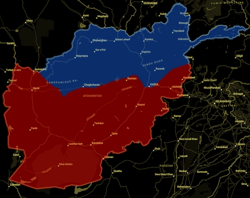
Key Facts
- Duration: 19 years, 10 months, and 3 weeks.
- Primary Belligerents: A US-led coalition (including ISAF and Resolute Support) and the Afghan government versus the Taliban, Al-Qaeda, and other militant groups.
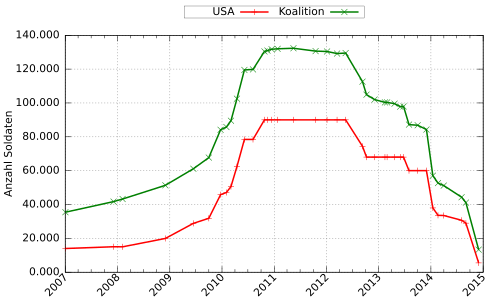
- Peak Coalition Strength: ISAF reached over 130,000 troops.
- Peak Afghan Strength: The Afghan National Defense and Security Forces (ANDSF) peaked at 307,947 personnel in January 2021.
- Outcome: Taliban victory and the restoration of the Islamic Emirate of Afghanistan.
The Road to Intervention
The conflict was precipitated by the rise of the Taliban in the 1990s and their alliance with Al-Qaeda, a global militant organization. Following the September 11 attacks on the United States, the US issued an ultimatum to the Taliban to hand over Osama bin Laden. When this demand was not met, the US and its allies launched a full-scale invasion.
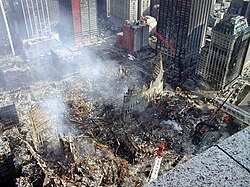
The 2001 Invasion
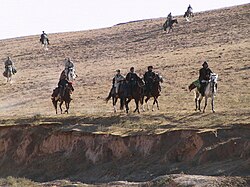
The initial phase saw the US, United Kingdom, and other allies partnering with the Northern Alliance—a coalition of Afghan factions opposing the Taliban. This cooperation quickly led to the collapse of the first Taliban government and the establishment of the Islamic State of Afghanistan.
Evolution of the Conflict (2002–2014)
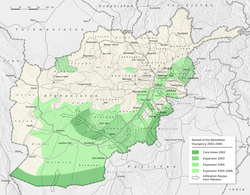
Between 2002 and 2005, the Taliban began to reorganize and launch a resurgence. This period was marked by a transition from conventional warfare to an insurgency, where the Taliban utilized guerrilla tactics to challenge the coalition and the nascent Afghan government.
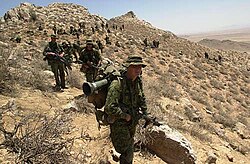
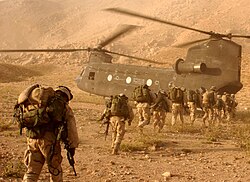
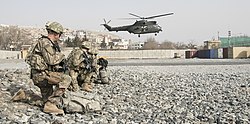
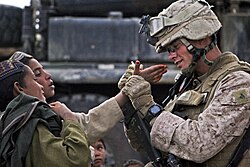
From 2006 to 2009, the war escalated. NATO increased its presence through the International Security Assistance Force (ISAF), a multinational partnership that eventually included 51 countries. This era saw a significant build-up of troops to combat the growing insurgency and secure the Afghan population.
Strategic Shifts and the Death of Bin Laden
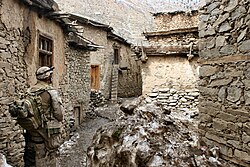
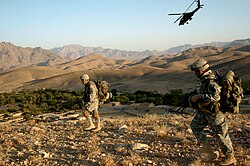
The period between 2010 and 2013 focused on strategic agreements and the pursuit of high-value targets. A milestone occurred in 2011 with the successful operation that resulted in the death of Osama bin Laden. However, the coalition continued to face challenges from the Haqqani network and other splinter groups.
Transition and Withdrawal (2014–2021)
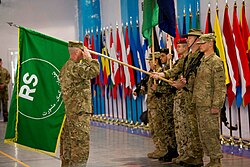
In 2014, ISAF transitioned to Resolute Support, a mission focused on training, advising, and assisting Afghan security forces rather than leading combat operations. While the mission's peak strength was lower (approximately 17,178 in 2019), the insurgency continued to grow.
The emergence of the Islamic State (ISIL-KP) in 2015 added a new layer of complexity, as coalition and Afghan forces had to fight both the Taliban and a new, more radical adversary.
The Final Phase
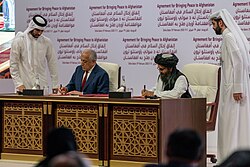
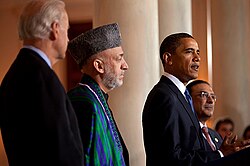
Peace overtures began in 2018, culminating in the February 29, 2020, agreement signed by US representative Zalmay Khalilzad and Taliban representative Abdul Ghani Baradar. This deal paved the way for the full withdrawal of US and coalition forces.
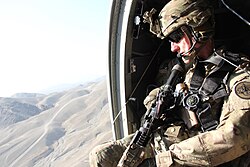
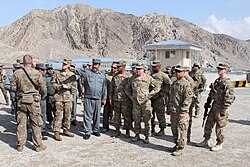
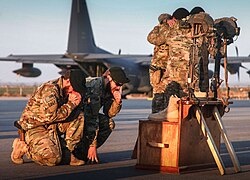
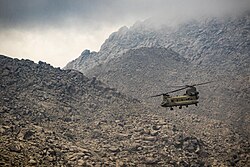
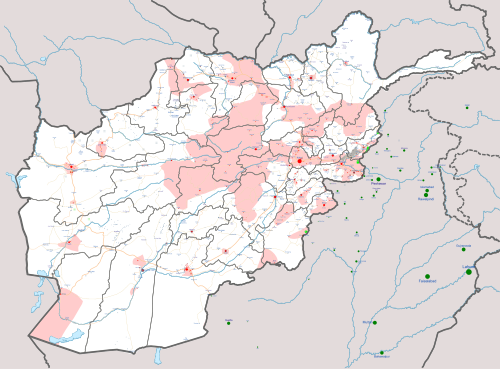
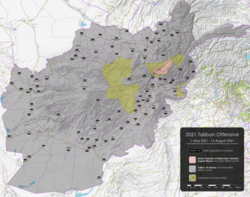
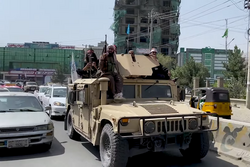
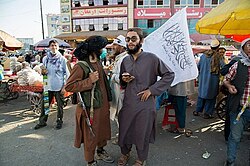
As the withdrawal progressed in 2021, the Taliban launched a rapid offensive, capturing provincial capitals and eventually entering Kabul on August 15, 2021, effectively ending the war.
Human and Social Impact
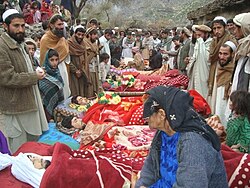
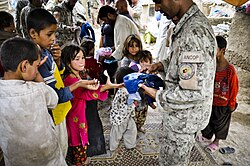
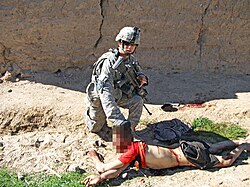
The war left a devastating legacy of casualties and displacement. While coalition losses were significant, the toll on Afghan security forces and civilians was far higher. Reports indicate tens of thousands of civilian deaths and a massive refugee crisis.
Summary of Conflict Data
| Category | Estimated Figures |
|---|---|
| Total Killed (All sources) | 176,206 to 212,191+ |
| Afghan Security Forces Killed | 66,000 – 92,000 |
| Coalition Dead | 3,579 |
| Civilians Killed | 46,319 |
| Taliban/Insurgents Killed | 52,893 – 80,000+ |
| Peak ISAF Strength | 130,000+ |
Frequently Asked Questions
Why did the US invade Afghanistan in 2001?
The US invaded to dismantle Al-Qaeda, the organization responsible for the September 11 attacks, and to remove the Taliban regime that had provided sanctuary and support to Osama bin Laden.
What was the role of ISAF?
The International Security Assistance Force (ISAF) was a NATO-led multinational mission that provided security and assisted the Afghan government in establishing stability and governance across the country.
Who were the Northern Alliance?
The Northern Alliance was a coalition of Afghan opposition groups that fought against the Taliban. They were key allies to the US-led coalition during the initial 2001 invasion.
How did the war end in 2021?
The war ended following a US-Taliban peace agreement that led to the withdrawal of foreign troops. In August 2021, the Taliban launched a final offensive, capturing Kabul and seizing power.
What was the Resolute Support mission?
Resolute Support was the follow-on mission to ISAF, starting in 2015. It shifted the international role from direct combat to training, advising, and assisting the Afghan National Defense and Security Forces.