Osama bin Laden: The Rise and Fall of al-Qaeda's Founder
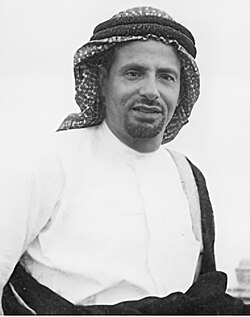
Osama bin Laden was the founder and first General Emir of al-Qaeda, a militant organization responsible for some of the most devastating terrorist attacks in modern history. Born into a wealthy Saudi family, bin Laden transitioned from a financier of mujahideen fighters to the world's most wanted man, orchestrating a global campaign of violence against the United States and its allies.
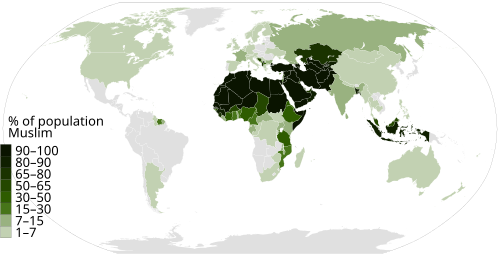
His trajectory was defined by a shift toward Islamic extremism—a radical interpretation of Islam that advocates for the use of violence to establish a strict religious government and remove foreign influence from Muslim lands.
Key Facts
- Role: Founder and first General Emir of al-Qaeda (1988–2011).
- Nationality: Saudi Arabian until 1994, after which he became stateless.
- Major Attack: Orchestrated the September 11, 2001, attacks on the United States.
- Death: Killed by U.S. special forces on May 2, 2011, in Abbottabad, Pakistan.
- Successor: Ayman al-Zawahiri.
Early Life and Ideological Roots

Born on March 10, 1957, in Riyadh, Saudi Arabia, Osama bin Laden was the son of Muhammad bin Ladin, a prominent construction magnate. He was educated at Al-Thager Model School and King Abdulaziz University, where he adhered to Hanbali jurisprudence, one of the four primary schools of Sunni Islam.

Bin Laden's worldview was shaped by his opposition to Western influence in the Islamic world. He viewed the presence of non-Muslim military forces in the Arabian Peninsula and the support of secular governments as an affront to his faith.
Militant Career: From Afghanistan to Sudan
The Soviet-Afghan War
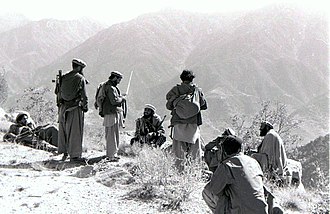
In 1984, bin Laden joined the Maktab al-Khidamat (Services Bureau) to support the Afghan mujahideen—guerrilla fighters resisting the Soviet occupation of Afghanistan. He used his personal wealth and connections to recruit fighters and fund the resistance.
The Founding of al-Qaeda
Following the Soviet withdrawal, bin Laden established al-Qaeda on August 11, 1988. The organization was designed to create a global network of militants to fight perceived enemies of Islam. During this period, he was involved in various conflicts, including the Afghan Civil War and the Tajikistani Civil War.

Exile in Sudan and Return to Afghanistan
In the early 1990s, bin Laden moved to Sudan, where he engaged in business and continued to build al-Qaeda's infrastructure. However, under pressure from the U.S. government, Sudan expelled him in 1996, leading him to return to Afghanistan under the protection of the Taliban.
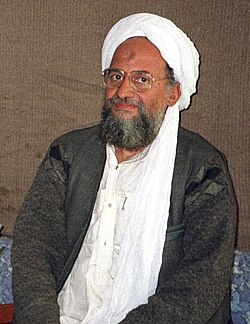
The Campaign Against the United States
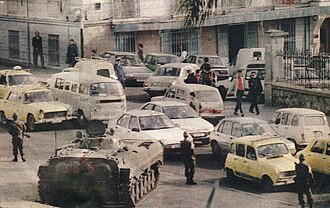
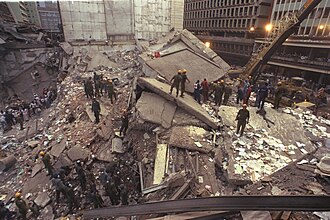
Bin Laden's hostility toward the U.S. intensified during the Gulf War. He began targeting American interests globally, claiming responsibility for the 1998 U.S. embassy bombings in Nairobi, Kenya, and Dar es Salaam, Tanzania, as well as the 2000 bombing of the USS Cole.

The September 11 Attacks
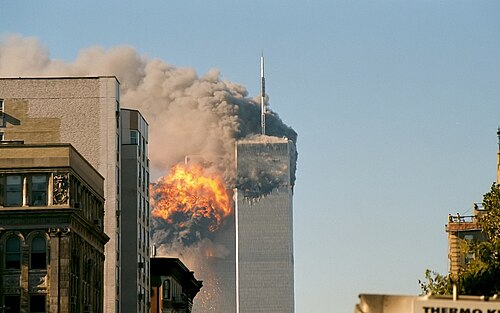
The culmination of bin Laden's campaign occurred on September 11, 2001, when al-Qaeda hijackers crashed planes into the World Trade Center in New York City and the Pentagon in Arlington, Virginia. This event triggered the U.S.-led War on Terror and the invasion of Afghanistan.

The Manhunt and Death
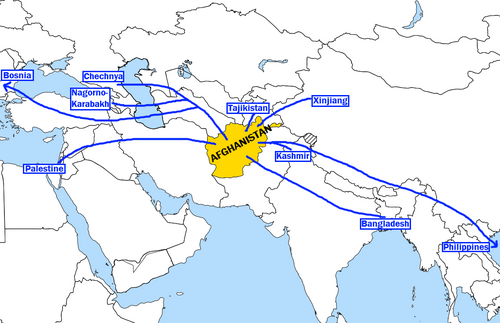
Following the 9/11 attacks, bin Laden became the primary target of a decade-long international manhunt. He evaded capture for years, hiding in various locations before eventually settling in a fortified compound in Abbottabad, Pakistan.
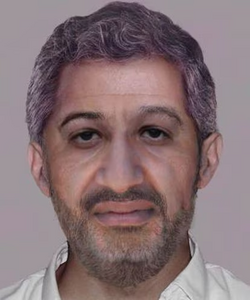
On May 2, 2011, U.S. Navy SEALs conducted Operation Neptune Spear, a covert raid on the compound. Bin Laden was killed during the operation, suffering gunshot wounds to the head and chest. His body was reportedly buried in the Arabian Sea.
Summary of Bin Laden's Life and Career

| Category | Details |
|---|---|
| Born | March 10, 1957 (Riyadh, Saudi Arabia) |
| Died | May 2, 2011 (Abbottabad, Pakistan) |
| Primary Organization | al-Qaeda (Founder/Emir) |
| Key Conflicts | Soviet-Afghan War, War on Terror, Afghan Civil Wars |
| Family | 6 spouses, 24 children |
| Cause of Death | Gunshot wounds (Operation Neptune Spear) |
Frequently Asked Questions

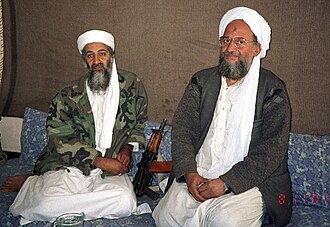
Who succeeded Osama bin Laden as the leader of al-Qaeda?
Ayman al-Zawahiri succeeded bin Laden as the leader of al-Qaeda following bin Laden's death in 2011.
Why did Saudi Arabia revoke bin Laden's citizenship?
Saudi Arabia stripped bin Laden of his citizenship in 1994 due to his extremist activities and his public opposition to the Saudi government.
What was the purpose of the Maktab al-Khidamat?
The Maktab al-Khidamat was a services bureau established to provide financial and logistical support to the mujahideen fighting the Soviet Union in Afghanistan.
Where was Osama bin Laden killed?
He was killed in a residential compound in Abbottabad, located in the Khyber Pakhtunkhwa province of Pakistan.
How many children did Osama bin Laden have?
Osama bin Laden had 24 children with six different spouses.