Islamic State: The Rise, Ideology, and Global Reach of a Jihadist Organization
The Islamic State, also known as ISIS, ISIL, or Daesh, is a modern Salafi jihadist organization that gained global notoriety for its attempt to establish a transnational caliphate. Emerging from the instability of Iraq and Syria, the group evolved from a regional insurgent cell into a quasi-state that controlled vast territories and commanded thousands of foreign fighters.
The organization is characterized by its adherence to Salafi jihadism—a fundamentalist interpretation of Islam that advocates for the use of violence to establish a state governed by a strict interpretation of Sharia law. Its trajectory has been marked by extreme brutality, territorial expansion, and an eventual collapse of its physical state, though it remains active as a clandestine network.
Key Facts
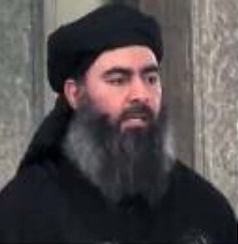
- Founder: Abu Bakr al-Baghdadi.
- Peak Territory: Reached its greatest extent in May 2015, covering large portions of Iraq and Syria.
- Ideology: Based on Daeshism, Salafism, and Takfirism (the practice of declaring other Muslims to be apostates).
- Current Status: Active, though without central territorial control; headquartered in the northwestern Idlib Governorate, Syria.
- Global Reach: Operates various "provinces" across Africa, Asia, and Europe.
Origins and Evolution
The roots of the Islamic State trace back to 1999, when Abu Mus'ab al-Zarqawi established Jama'at al-Tawhid wal-Jihad. By October 2004, Zarqawi pledged allegiance to al-Qaeda, forming al-Qaeda in Iraq. The group underwent several organizational shifts, including the formation of the Mujahideen Shura Council in 2006, before declaring independence from al-Qaeda in October 2006 as the Islamic State of Iraq.
A pivotal rupture occurred on February 3, 2014, marking the start of the Al-Qaeda–Islamic State conflict. On June 29, 2014, the group declared a caliphate and renamed itself the "Islamic State," claiming authority over all Muslims worldwide.
Territorial Expansion and Governance

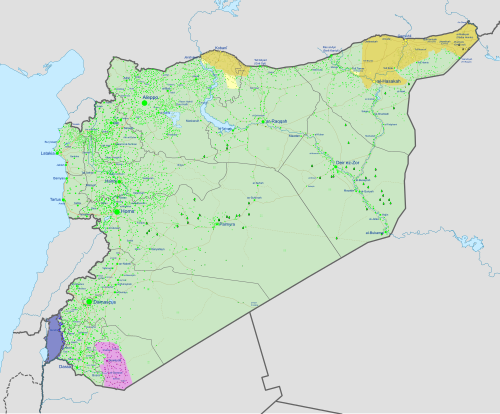
At its height in 2015, the Islamic State controlled a massive swath of territory. This expansion was not limited to the Levant; the group claimed territories in Libya, Egypt, Algeria, Saudi Arabia, Yemen, South Asia, Nigeria, and the North Caucasus.
![IS territory, in grey, at the time of its greatest territorial extent (May 2015).[108] Map legend Islamic State Syrian government Lebanese governmentNote: Iraq and Syria contain large desert areas with sparse populations. These areas are mapped as under the control of forces holding roads and towns within them.](/images/aa/96/aa96a15dc3a754492d8b1b4329a63d29b9bc5c1519b71b3fb0cd1597159cf2fb.png)
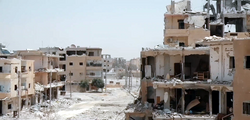
The group established a complex governance structure in its capital, Raqqa, and other captured cities like Mosul. This included a monetary system, educational frameworks, and a military wing. Their finances were sustained through kidnapping for ransom, fundraising via communication networks, and donations often disguised as humanitarian charity from various Gulf states.
Military Strength and Combatants
Estimates of the group's size vary wildly. While the group claimed up to 100,000 fighters, the US State Department estimated their peak strength between 35,000 and 100,000. A 2024 UN report suggests their current presence in Syria and Iraq has dwindled to between 1,500 and 3,000 combatants.
| Country | Estimated Number of Fighters |
|---|---|
| Russia | 5,000 |
| Tunisia | 4,000 |
| Jordan | 3,950 |
| Saudi Arabia | 3,244 |
| Turkey | 3,000 |
| Uzbekistan | 2,500 |
| France | 1,910 |
Global Affiliates and Network
The Islamic State operates through a network of provinces (Wilayats) and allied groups. These include the Khorasan Province in Afghanistan and Pakistan, the West Africa Province (including former Boko Haram elements), and the Sahel Province. This decentralized structure allows the organization to persist even after losing its primary territorial base.
International Response and Decline
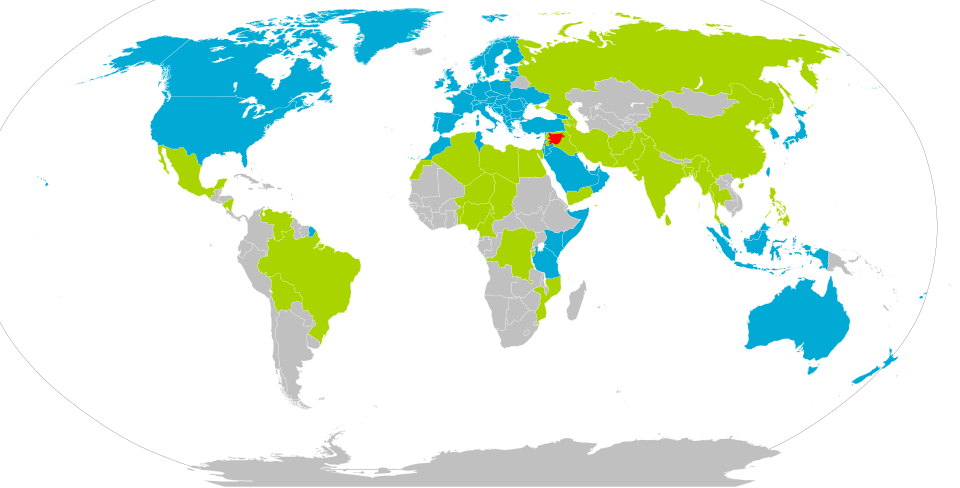
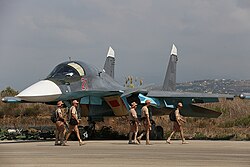
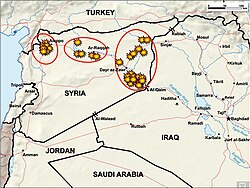
The rise of the Islamic State triggered a massive international response. The Global Coalition to Counter the Islamic State was formed to stop the flow of foreign fighters, cut off financing, and provide military support to local forces. This coalition included a wide array of state opponents, including the US, UK, France, and Russia.
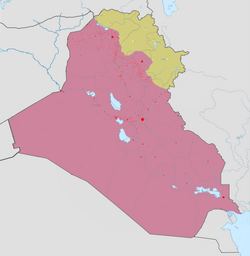
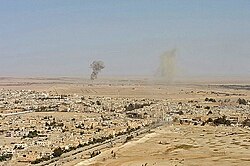
The tide turned with the capture of Mosul in July 2017 and the fall of Raqqa in October 2017. By March 23, 2019, the group lost all its remaining territory in Syria. The organization's leadership also suffered significant losses, including the killing of Abu Bakr al-Baghdadi in October 2019 and Abu Ibrahim al-Hashimi al-Qurashi in February 2022.
Frequently Asked Questions
What is the difference between ISIS, ISIL, and Daesh?
These are different names for the same organization. ISIS (Islamic State of Iraq and Syria) and ISIL (Islamic State of Iraq and the Levant) are common English acronyms, while Daesh is an Arabic acronym that the group itself dislikes.
Who founded the Islamic State?
The organization's origins trace back to Abu Mus'ab al-Zarqawi, who founded Jama'at al-Tawhid wal-Jihad in 1999. Abu Bakr al-Baghdadi later led the group to its peak as the declared caliph.
Does the Islamic State still control any territory?
No, the group lost its final territorial strongholds in Syria by March 2019. However, it remains active as an insurgent network with various affiliates globally.
What is the core ideology of the group?
The group follows a mixture of Salafism, Wahhabism, and Takfirism, aiming to establish a theocratic state governed by a strict, fundamentalist interpretation of Islamic law.
How did the group fund its operations?
The Islamic State utilized multiple revenue streams, including kidnapping for ransom, donations from Gulf states often masked as charity, and support from foreign fighters.