Victoria Cross Recipients of the British Indian Army
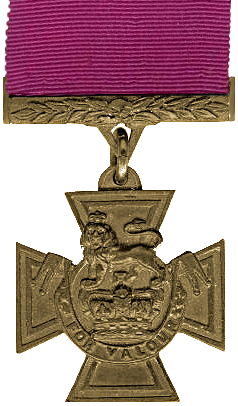
The Victoria Cross (VC) stands as the highest and most prestigious military decoration for valour in the face of the enemy. Awarded to members of the armed forces of various Commonwealth countries and former British Empire territories, it takes precedence over all other orders, decorations, and medals. From 1857 until India's independence in 1947, a total of 153 members of the British Indian Army and civilians under its command were honored with this distinguished award.
Introduced by Queen Victoria on 29 January 1856 to recognize bravery during the Crimean War, the VC is open to any rank in any service, as well as civilians under military command. While traditionally presented by the British monarch during an investiture at Buckingham Palace, many awards were presented in the field by high-ranking civil or military officials when palace visits were impossible.
The Evolution of Eligibility for Indian Troops
The path to eligibility for Indian troops was complex due to existing military structures. Since 1837, Indian soldiers had been eligible for the Indian Order of Merit, which was the oldest British gallantry award for general issue. Because Indian troops were controlled by the British East India Company (HEIC) and did not come under direct Crown control until 1860, they were not initially eligible for the Victoria Cross.
In October 1857, the VC was extended to cover European officers and men serving with the East India Company, who had been ineligible for the Indian Order of Merit. However, it took several decades of intensifying calls for equality before Indian troops themselves became eligible for the award in 1911.
The first Indian recipients were officially recognized in The London Gazette on 7 December 1914: Darwan Singh Negi and Khudadad Khan. Interestingly, Negi received his award from King George V on 5 December 1914 during a visit to troops in France, making him one of the few soldiers to be presented with the VC before its official publication in the Gazette.
Distribution of Awards by Conflict
Of the total recipients, 148 were serving with an Indian Army or Honourable East India Company (HEIC) unit, while 5 were civilians under military command. The distribution of these awards reflects the major conflicts of the era:
- Anglo-Persian War (1856–1857) and Indian Rebellion of 1857: 63 VCs awarded to British officers and men of the HEIC.
- Inter-war Campaigns (1857–1914): 33 VCs awarded for various actions.
- First World War: 18 VCs awarded.
- Second World War: 30 VCs awarded.
| Category/Conflict | Number of Awards |
|---|---|
| HEIC (Anglo-Persian War & 1857 Rebellion) | 63 |
| Campaigns between 1857 and WWI | 33 |
| First World War | 18 |
| Second World War | 30 |
| Civilians under military command | 5 |
| Total | 153 |
Key Facts
- The Victoria Cross is the highest military decoration for valour "in the face of the enemy."
- A total of 153 awards were given to British Indian Army personnel and associated civilians between 1857 and 1947.
- Indian troops only became eligible for the VC in 1911.
- The first Indian recipients were Khudadad Khan and Darwan Singh Negi in 1914.
- The award is open to all ranks and civilians under military command.
Frequently Asked Questions
Why were Indian troops not eligible for the VC at the start?
Indian troops were originally eligible for the Indian Order of Merit and were under the control of the British East India Company rather than the Crown. They did not become eligible for the Victoria Cross until 1911.
Who were the first Indian soldiers to receive the Victoria Cross?
The first Indian recipients were Darwan Singh Negi and Khudadad Khan, both recognized in December 1914 for their gallantry in October and November of that year.
Can civilians receive the Victoria Cross?
Yes, the Victoria Cross can be awarded to civilians, provided they are under military command at the time of the act of valour.
How is the Victoria Cross typically presented?
It is traditionally presented by the British monarch during an investiture at Buckingham Palace, although it has frequently been presented in the field by military or civil officials.
Which conflict saw the highest number of VC awards for HEIC personnel?
The highest number of awards (63) occurred during the Anglo-Persian War (1856–1857) and the Indian Rebellion of 1857.