United Methodist Church
The United Methodist Church (UMC) is a global Mainline Protestant denomination characterized by its Wesleyan theology and a "connexional" system of governance. Formed in 1968 through the merger of The Methodist Church and the Evangelical United Brethren Church, the UMC blends a structured organizational approach with a spiritual emphasis on personal holiness and social holiness.
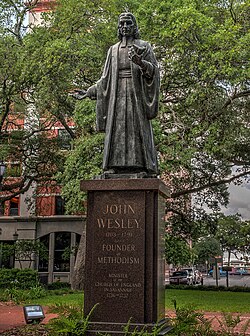
Spiritually founded by John Wesley, the denomination emphasizes the grace of God and the practical application of faith in daily life. Today, it operates as a worldwide body with millions of members across diverse cultures and nations.
Key Facts
- Founder: John Wesley (spiritual founder).
- Established: 1968 (via merger).
- Global Reach: Approximately 9.9 million members worldwide across 39,460 congregations.
- Theology: Wesleyan, focusing on the Articles of Religion and the Standard Sermons of John Wesley.
- Governance: Connexional polity involving General, Jurisdictional, and Annual Conferences.
- Clergy: Approximately 83,800 ministers.
History and Evolution
Early Origins and Predecessors
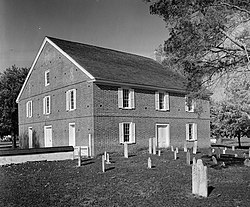
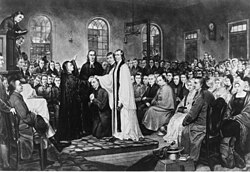
The roots of the UMC lie in the 18th-century movement led by John Wesley. Early Methodism focused on disciplined spiritual living and missionary work. A pivotal moment in the American development of the church was the 1784 Christmas Conference, where Bishop Thomas Coke ordained Francis Asbury, establishing the Methodist Episcopal Church.
The Path to the 1968 Merger
The modern UMC was created in 1968 when The Methodist Church and the Evangelical United Brethren Church merged. This union brought together different strands of Protestant tradition under a single administrative and theological umbrella. However, the church has faced periods of tension, including the 1939 merger's creation of the Central Jurisdiction and more recent schisms between 2020 and 2024, leading toward a period of worldwide regionalization starting in 2025.
Beliefs and Doctrine
Doctrinal Standards
The UMC does not rely on a single creed but follows established Doctrinal Standards, which include:
- The Articles of Religion of the Methodist Church.
- The Confessions of Faith of the Evangelical United Brethren Church.
- The General Rules of the Methodist Societies.
- The Standard Sermons of John Wesley.
Wesleyan Theology
Wesleyan theology emphasizes the "means of grace"—practices such as prayer, scripture study, and the sacraments—that allow individuals to experience God's preparing, accepting, and sustaining grace. This theology encourages a balance between personal faith and active engagement in social justice.
Social Positions and Diversity
The UMC addresses a wide array of social issues, often reflecting a diversity of views within its global membership. These include stances on anti-racism, gun control, the environment, and the ethics of gambling and pornography. In recent years, the church has navigated significant internal debate regarding sexuality, marriage, and the ordination of LGBTQIA+ clergy, leading to major policy shifts in 2024.
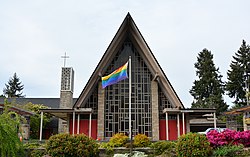
Worship and Liturgy
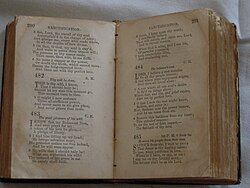
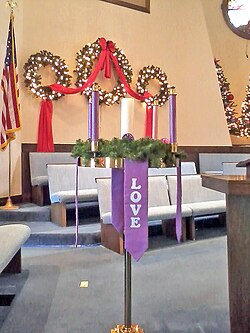
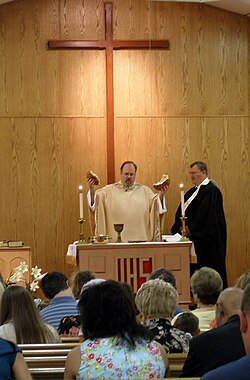
United Methodist worship is typically structured and liturgical, though it varies by local context. A standard service often follows a specific order of worship designed to move the congregation from gathering to going forth.
The Order of Worship
- Gathering: Includes the prelude, call to worship, opening prayers, and hymns of praise.
- Prayers: Features the prayer of confession, absolution, the Lord's Prayer, and intercessory prayers.
- Proclamation: Centered on the reading of scripture (Lessons) and the delivery of the sermon.
- Response: Includes the affirmation of faith, the offertory, and a hymn of response.
- Going Forth: Concludes with the benediction and a closing prayer.
Organization and Governance
Connexional Structure
The UMC uses a connexional polity, meaning local churches are interconnected through a hierarchy of conferences:
- General Conference: The primary legislative body.
- Jurisdictional/Regional Conferences: Handle regional administration and bishop elections.
- Annual Conferences: The basic administrative unit for clergy and local churches.
- Judicial Council: The "supreme court" of the church that interprets church law.
Clergy and Laity
The church recognizes several roles for leadership. Bishops provide episcopal oversight, while Elders and Deacons serve as ordained clergy. The UMC has a long history of expanding ordination; for example, Maud Keister Jensen and Emma P. Hill became the first women to receive full clergy rights in 1956. Since then, the church has ordained women across all continents and ethnicities, with several women serving as President of the Council of Bishops.
Administrative Agencies
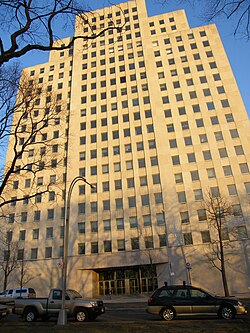
The UMC operates various specialized agencies to carry out its mission, including the United Methodist Committee on Relief for humanitarian aid and the General Board of Global Ministries. Other offices manage archives, higher education, and the status of women within the church.
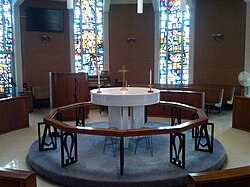
![Hendricks Chapel at Syracuse University, New York. The university maintains a relationship with the UMC.[251]](/images/06/59/0659181abd626961992236621c2e70608c1776dadf1d873cea0d76c45cf48076.jpg)
Summary of UMC Profile
| Category | Details |
|---|---|
| Classification | Mainline Protestant / Methodist |
| Global Membership | ~9.98 Million |
| US Membership | ~5.04 Million |
| Congregations | 39,460 (29,746 in US) |
| Key Theological Influence | John Wesley |
| Primary Governance | Connexional (Conferences) |
Frequently Asked Questions
Who is the spiritual founder of the United Methodist Church?
John Wesley is credited as the spiritual founder of the movement that became the United Methodist Church, emphasizing personal holiness and social engagement.
What does "connexional" polity mean?
Connexional polity refers to the interconnected nature of the church, where local congregations are not independent but are linked through annual, regional, and general conferences.
When did the United Methodist Church officially form?
The UMC was formed in 1968 through the merger of The Methodist Church and the Evangelical United Brethren Church.
Does the UMC ordain women?
Yes, the UMC ordains women. This process began in earnest in 1956, and since then, women have served in all levels of leadership, including as Elders and Bishops.
What are the primary doctrinal standards of the UMC?
The church follows the Articles of Religion of the Methodist Church, the Confessions of Faith of the Evangelical United Brethren Church, the General Rules of the Methodist Societies, and the Standard Sermons of John Wesley.