Tunicates: The Fascinating Chordates of the Ocean
Tunicates, often known as sea squirts, are a diverse group of marine animals that challenge our typical perception of what a chordate looks like. While they may appear as simple, stationary blobs or translucent drifting gels, they belong to the phylum Chordata, making them distant relatives of vertebrates. With approximately 3,000 species inhabiting the world's oceans, these creatures play vital roles in marine ecosystems, from shallow coastal waters to the open sea.
Most tunicates are filter feeders, utilizing a specialized pharyngeal mucous net to capture prey from the surrounding water. Their name derives from the "tunic," a protective outer layer that can vary in texture and composition, sometimes resembling seeds, grapes, or even bottles.
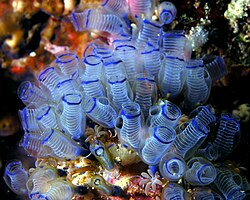
Key Facts
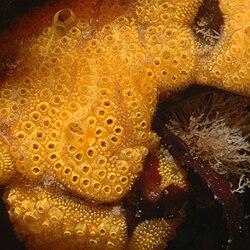
- Species Diversity: Roughly 3,051 described species exist globally.
- Temporal Range: They have existed from the Cambrian Stage 3 (518 Ma) to the present, with possible records dating back to the Ediacaran (575 Ma).
- Habitat: Primarily shallow waters, though some inhabit depths exceeding 200 meters.
- Chordate Connection: Despite their simple adult forms, they are classified within the phylum Chordata.
- Diet: Almost all species are filter feeders.
Classification and Diversity
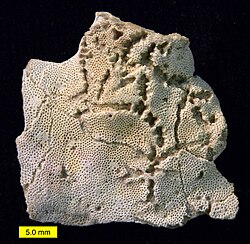
Tunicates are traditionally divided into three primary classes, each with distinct lifestyles and anatomical features.
Ascidiacea
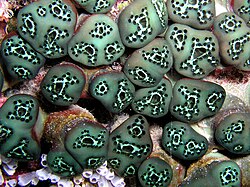
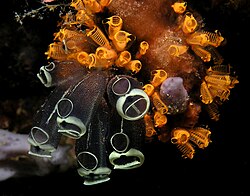
The most numerous group, the ascidians, are primarily sessile (fixed in one place). They attach themselves to substrates such as rocks, coral, seaweed, or man-made structures like ship hulls and docks. While many are solitary, others form colonies. These animals vary wildly in size; for example, the stalked sea tulip, Pyura pachydermatina, can reach heights of over 1 meter.
Thaliacea
Unlike the stationary ascidians, thaliaceans are pelagic, meaning they spend their lives swimming in the open ocean. This class includes:
- Pyrosomes: Bioluminescent colonial tunicates that form hollow cylindrical structures.
- Doliolids: Small, barrel-shaped solitary animals (usually under 2 cm) that move via jet propulsion.
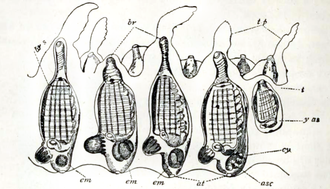
- Salps: Small creatures (under 4 cm) found in both warm and cold surface waters, often forming long chains through budding.
Appendicularia
The third class, Appendicularia (specifically the Copelata), consists of small, free-swimming tunicates that differ significantly from the other two groups in their developmental and structural characteristics.
Anatomy and Physiology
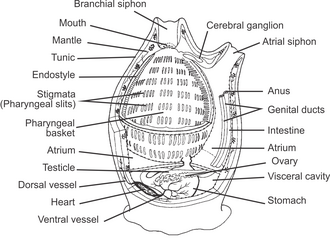
The internal structure of a tunicate is designed for efficient water filtration. Water enters through a buccal siphon (the intake opening) and exits through an atrial siphon. This flow allows the animal to strain organic particles from the water using a mucous-lined pharynx.
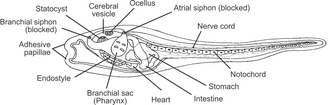
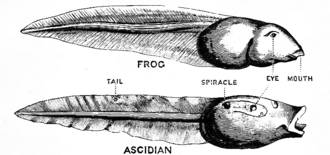
One of the most remarkable aspects of tunicate biology is the difference between the larval and adult stages. Tunicate larvae possess characteristics typical of chordates, including a notochord, which they lose during metamorphosis as they settle into their adult, often sessile, form.
Human Use and Economic Importance
Tunicates are not only biological curiosities but also have practical applications for humans, particularly as a food source in East Asia and South America.
Culinary Uses
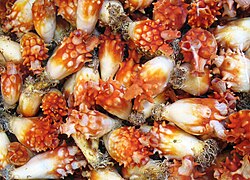
In Chile, the piure (Pyura chilensis) is enjoyed raw or in seafood stews. In Japan and Korea, the sea pineapple (Halocynthia roretzi) is highly prized and cultivated on palm frond cords. While production reached over 42,000 tons in 1994, mass mortality events led to a significant drop to 4,500 tons by 2004.
Medical and Industrial Potential
Tunicates are known to contain a variety of chemical compounds that are of interest for medical research. Additionally, there is emerging interest in using these marine filter feeders as a potential source for biofuels.
Tunicate Summary Table
| Class | Lifestyle | Key Characteristics | Example/Group |
|---|---|---|---|
| Ascidiacea | Mostly Sessile | Attached to substrate; can be solitary or colonial | Sea squirts, Sea tulips |
| Thaliacea | Pelagic | Free-swimming; jet propulsion; some bioluminescent | Salps, Pyrosomes, Doliolids |
| Appendicularia | Pelagic | Small, free-swimming chordates | Copelata |
Frequently Asked Questions
Why are tunicates called "sea squirts"?
They earn this name from their ability to rapidly expel water from their bodies through the atrial siphon, creating a squirting action.
How are tunicates related to humans?
Tunicates are members of the phylum Chordata. Their larvae possess a notochord, a primitive skeletal rod that is a defining characteristic of the lineage that includes all vertebrates.
What do tunicates eat?
They are filter feeders that use a pharyngeal mucous net to trap plankton and other small organic particles from the seawater they pump through their bodies.
Are all tunicates stationary?
No. While the Ascidiacea are mostly sessile, the Thaliacea and Appendicularia are pelagic and swim freely in the open ocean.
Can tunicates be invasive?
Yes, certain tunicate species can become invasive in new environments, often attaching themselves to man-made structures like docks and ship hulls, which can disrupt local ecosystems.