Tremé: The Heart of New Orleans' African-American and Creole Culture
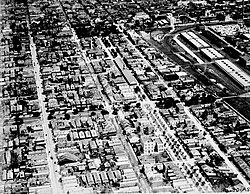
Nestled just north of the French Quarter, Tremé (pronounced trə-MAY) is more than just a neighborhood; it is a living monument to the resilience and creativity of New Orleans. Known formally as the Faubourg Tremé (with faubourg being the French term for suburb), it is recognized as one of the oldest neighborhoods in the city and is frequently cited as the oldest black-majority neighborhood in the United States.
Founded in the 1810s, Tremé has served as a vital center for African-American and Créole culture. From its origins as a haven for free people of color to its role as the birthplace of modern jazz, the neighborhood continues to influence the musical and social fabric of Louisiana.
Key Facts
- Location: New Orleans, Louisiana (Orleans Parish).
- Historical Significance: One of the oldest neighborhoods in New Orleans and a primary center for free people of color.
- Cultural Legacy: The birthplace of the modern brass band tradition and a foundational site for jazz.
- Landmarks: Home to Congo Square and St. Augustine Church.
- Geography: Spans approximately 0.69 square miles.
The History of Faubourg Tremé
The land that now comprises Tremé began as the Morand Plantation and housed two forts, St. Ferdinand and St. John. In 1810, Claude Tremé purchased the land, leading to the creation of the Faubourg Tremé. The landscape was further altered in 1794 with the construction of the Carondelet Canal, which connected the French Quarter to Bayou St. John.
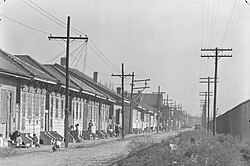
Historically, the neighborhood was a racially mixed community. It provided housing for a diverse population, including Caucasians and free persons of color. For generations, locals referred to the area as the "back of town" because it sat on the lake side of the French Quarter, away from the Mississippi River.
Congo Square and the Roots of Jazz
At the center of the neighborhood's cultural identity is Congo Square, originally known as "Place des Nègres." On Sundays, enslaved people gathered here to dance and socialize. This square was not only a cultural hub but also a place of business where some enslaved individuals sold crafts and goods to eventually purchase their freedom.
The musical contributions of Créole of color brass and symphonic bands at Congo Square laid the groundwork for the improvisational style that evolved into Jazz. Although the city renamed the area "Beauregard Square" in the late 19th century, the community continued to call it Congo Square, a name officially restored by the city in 2011.
Urban Evolution and Modern Challenges
The 20th century brought significant changes to the neighborhood's layout. In the 1940s, the Storyville red-light district was demolished to make way for public housing. Later, in the early 1960s, an urban renewal project led to the demolition of a large portion of central Tremé. This vacant land was eventually transformed into Louis Armstrong Park in the 1970s, which now encompasses Congo Square.
In 1994, the New Orleans Jazz National Historical Park was established, further cementing the area's musical legacy. Despite these developments, the neighborhood has faced modern pressures. While it suffered only minor to moderate flooding during Hurricane Katrina, recent years have seen a shift in demographics due to gentrification and the rise of short-term rentals.
Cultural and Educational Landmarks
Tremé is home to several sites of immense historical value. The New Orleans African American Museum works to preserve the history of the African diaspora in the city. Additionally, St. Augustine Church stands as the oldest African-American Catholic parish in the United States.
Educationally, the community has been served by institutions such as Joseph S. Clark Preparatory High School and McDonogh 35 High School. The St. Peter Claver School, established in 1921, served the community for nearly a century before closing in 2019.
Musical and Artistic Influence
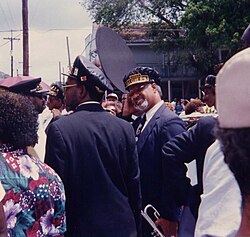
The neighborhood has produced and hosted a staggering array of talent. Notable musicians include Shannon Powell (known as "The King of Treme"), Trombone Shorty, Kermit Ruffins, and Lucien Barbarin. It was also home to jazz figures of European descent like Louis Prima and rock musician Alex Chilton. Local spots like Joe's Cozy Corner are credited as the birthplace of the Rebirth Brass Band.
Neighborhood Overview
| Category | Details |
|---|---|
| Total Area | 0.69 sq mi (1.8 km) |
| Boundaries | Esplanade Ave (E), N. Rampart St (S), St. Louis St (W), N. Broad St (N) |
| 2020 Population | 4,590 |
| Key Institutions | St. Augustine Church, New Orleans African American Museum |
| Primary Thoroughfare | Claiborne Avenue |
Frequently Asked Questions
What is the significance of Congo Square?
Congo Square was a gathering place for enslaved people to dance and trade, serving as a critical site for the preservation of African traditions and the eventual birth of jazz music.
Is Tremé the oldest black neighborhood in the U.S.?
Some sources identify Tremé as the oldest black-majority neighborhood in the United States, reflecting its long history as a center for free people of color.
How did Hurricane Katrina affect the neighborhood?
Tremé experienced minor to moderate flooding. Many of the neighborhood's historic raised homes avoided significant damage because the water levels were not high enough to reach the living quarters.
What is the difference between Tremé and Faubourg Tremé?
"Faubourg Tremé" is the formal French name of the neighborhood, where "faubourg" means suburb. "Tremé" is the common shorthand used by residents and visitors.
Which famous musicians are associated with Tremé?
The neighborhood is linked to many artists, including Shannon Powell, Trombone Shorty, Kermit Ruffins, and the Rebirth Brass Band, as well as jazz musicians like Louis Prima.