Torah Narratives in the Quran: Comparative Perspectives
The Quran and the Torah share a profound connection, recounting many of the same pivotal figures and events that define the early history of humanity. While the core narratives often align, the Quran frequently introduces unique theological nuances, shifts in emphasis, or additional details that distinguish its accounts from the biblical versions found in Genesis, Exodus, and other books of the Torah.
Key Facts
- Adam's Creation: The Quran emphasizes God's command "Be" and the initial doubt expressed by angels regarding human creation.
- Noah's Role: While both texts record the Great Flood, the Quran focuses heavily on Noah's role as a preacher attempting to save his people.
- Abraham's Legacy: Both traditions highlight Abraham's faithfulness, though the Quran specifies his journey to the land of present-day Mecca.
- Joseph's Vindication: The Quranic account of Joseph includes a specific scene where he is formally vindicated of false accusations before the King.
- Moses' Mission: The Quran portrays Aaron as a steadfast messenger who opposed the worship of the golden calf, unlike the biblical account.
The Beginning: Adam and Eve
In the Quran, God creates Adam from tīn (clay) or turāb (dust), breathing His spirit into him or simply commanding him to "Be." A distinct element of the Quranic narrative is the reaction of the angels, who questioned the creation of Adam—a detail that parallels certain Jewish exegeses of Psalm 8 and traditions in the Babylonian Talmud regarding the potential for human evil.
While the creation of Eve is not detailed, the Quran implies she was created from a "single soul." The narrative of the forbidden tree also differs slightly; the Quran mentions a "tree of immortality," reflecting Syrian Christian interpretations that merged the biblical Tree of Knowledge and Tree of Life into one.
The Sons of Adam
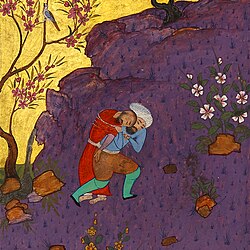
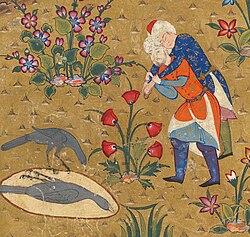
The story of Cain and Abel in the Quran shifts the dialogue; rather than God speaking directly to Cain, it is the accepted brother who speaks to the rejected one. The Quran uses this tragedy to draw a moral lesson not explicitly found in the Torah.
Noah and the Great Flood
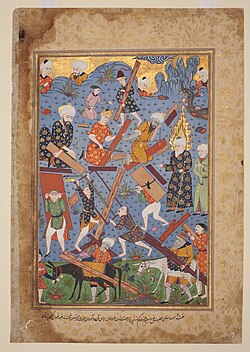
Both the Bible and the Quran describe Noah (Nūḥ) as a righteous man who lived for 950 years and built an Ark to survive a divine flood. However, the Quranic focus is on Noah's unsuccessful attempts to warn his countrymen, positioning him as a prototype for the prophet Muhammad.
Regarding the Ark's final resting place, the Bible mentions the mountains of Ararat, while the Quran specifies Mount Judi, which is located within the Ararat mountain range in modern-day Turkey.
Abraham and the Patriarchal Legacy
The narratives of Abraham (Ibrāhīm) emphasize his hospitality and faith. In both texts, messengers visit Abraham to announce the birth of Isaac (ʾIsḥāq) to his wife Sarah, who laughs in disbelief due to her age.
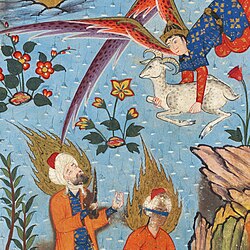
Another central event is the command to sacrifice his son. Abraham's willingness to obey is met with divine intervention, where God provides a replacement sacrifice as a reward for his faithfulness.
Lot and the Cities of the Plain
Lot (Lūṭ) is depicted as a prophet in the Quran, whereas in Genesis, he is a righteous man but not explicitly a prophet. While both accounts describe the destruction of Sodom and Gomorrah, the Quran omits the biblical account of incest between Lot and his daughters. Additionally, the Quran specifies that Lot's wife was destroyed because she turned back to look at the city, despite warnings from the angels.
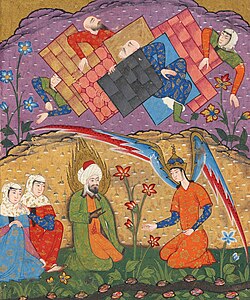
The Life of Joseph
The story of Joseph (Yūsuf) follows a similar arc in both texts: a vision of celestial bodies bowing to him, betrayal by his jealous brothers, and his eventual rise to power in Egypt. In the Quran, Jacob specifically warns Joseph not to share his dream with his brothers.
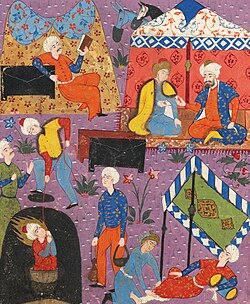
After being sold into slavery, Joseph faces attempted seduction by his master's wife. The Quran adds a detail where Joseph insists on being formally vindicated by the wife before the King after he interprets the King's dream of seven fat and seven lean cows.
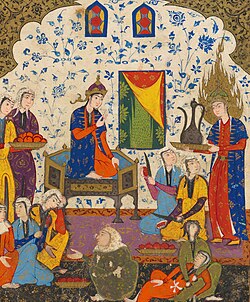
Joseph's ability to predict a seven-year famine leads to his appointment as the overseer of Egypt's grain stores, eventually allowing him to reunite with his family.
Moses and the Exodus
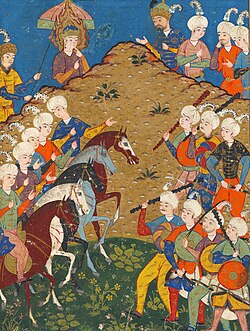
The narratives of Moses (Mūsā) are extensive in both traditions. Both describe his infancy in the Nile, his flight to Midian, and his call by God at the burning bush. In the Quran, Moses specifically requests that his brother Aaron (Harun) be appointed as a messenger to assist him due to Aaron's eloquence.
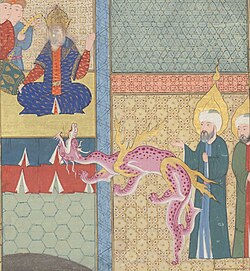
Key differences emerge in the aftermath of the Exodus. In the Bible, Aaron is involved in the creation of the golden calf; in the Quran, Aaron strongly opposes the idol and the blame is placed on a figure named Samiri. Furthermore, the Quran explicitly states that Pharaoh drowned but his body was preserved as a sign for future generations.
The Fate of Korah
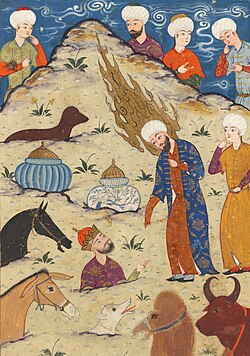
The story of Korah (Qārūn) appears in both the Torah and the Quran. While the Torah describes him as a leader of a rebellion against Moses, the Quran focuses on his arrogance stemming from his immense wealth. In both accounts, God punishes him by causing the earth to swallow him and his home.
Summary of Narrative Differences
| Figure | Torah/Bible Focus | Quranic Focus/Addition |
|---|---|---|
| Adam | Creation from dust; fall from grace. | Angels' doubt; creation by the word "Be." |
| Noah | Details of the flood and the Ark. | Noah's role as a preacher to his people. |
| Lot | Righteous man; incestuous aftermath. | Prophetic status; omission of incest. |
| Joseph | Family betrayal and rise to power. | Formal vindication before the King. |
| Moses | Aaron helps create the golden calf. | Aaron opposes the golden calf; Samiri leads it. |
Frequently Asked Questions
Where did Noah's Ark land according to the Quran?
The Quran states that the Ark rested on the hills of Mount Judi, which is located within the Ararat mountain range in present-day Turkey.
How does the Quran's depiction of Aaron differ from the Bible's?
In the Quran, Aaron is a messenger of God who actively opposed the worship of the golden calf, whereas the biblical account describes him as helping to create the idol.
What is the significance of the "tree of immortality" in the Quran?
The Quran refers to the forbidden tree as the "tree of immortality," a detail that aligns with Syrian Christian exegesis rather than the two separate trees mentioned in Genesis.
Who was responsible for the golden calf in the Quranic account?
In the Quran, a person named Samiri is the one who leads the Israelites to worship the golden calf, rather than Aaron.
What happened to Pharaoh in the Quranic narrative?
The Quran states that Pharaoh drowned, but God preserved his body to serve as a sign and example for future generations.