Muslim Population and Faith: Global Demographics and Core Beliefs
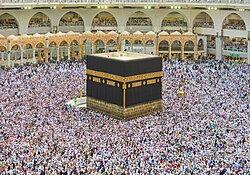
With a global presence spanning every continent, the Muslim community represents one of the largest and fastest-growing religious groups in the world. As of 2020 estimates, there are approximately 2 billion Muslims, accounting for roughly 25.6% of the total global population. This diverse community is united by a shared faith in Islam, founded by the Prophet Muhammad according to Sīrah (traditional biographies of the Prophet).
The faith is centered on the belief in one God (Allah) and is guided by sacred texts and traditions that provide a comprehensive framework for spiritual and daily life.
Key Facts
- Global Population: Approximately 2 billion people (25.6% of the world population).
- Primary Branches: Sunni Islam (87–90%) and Shia Islam (10–13%).
- Sacred Texts: The Quran and the Hadith (prophetic traditions).
- Largest Population: Indonesia holds the highest number of Muslims globally.
- Growth Driver: Natural population growth driven by a relatively young age structure and high fertility rates.
Core Beliefs and Theological Foundations
At the heart of the faith are the Five Pillars of Islam, which serve as the essential foundation of Muslim life. These pillars provide a structured approach to worship, charity, and spiritual discipline.
Sacred Scriptures
The primary source of authority in Islam is the Quran, believed to be the word of God. Complementing the Quran are the Hadith, which are records of the traditions, sayings, and actions of the Prophet Muhammad, providing practical guidance on how to implement the faith in daily life.
Major Branches of Islam
While united by core tenets, the Muslim community is divided into several traditions:
- Sunni Islam: The largest branch, comprising 87–90% of the global population.
- Shia Islam: The second-largest branch, making up 10–13% of Muslims.
- Other Traditions: Approximately 1% of the population follows other traditions, including Ibadism, Quranism, and Ahmadiyya.
Global Demographics and Distribution
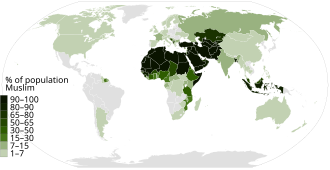
Islam is a global faith with significant populations across Asia, Africa, and the Middle East. While often associated with Arab nations, the largest concentrations of Muslims are actually found in South and Southeast Asia.
| Country | Estimated Population |
|---|---|
| Indonesia | 238,990,000 |
| Pakistan | 226,880,000 |
| India | 213,060,000 |
| Bangladesh | 151,440,000 |
| Nigeria | 119,980,000 |
| Egypt | 104,040,000 |
| Iran | 87,520,000 |
| Turkey | 83,600,000 |
| Sudan | 46,250,000 |
| Algeria | 43,330,000 |
Frequently Asked Questions
What is the difference between Sunni and Shia Islam?
Sunni Islam is the dominant branch, representing 87–90% of Muslims. Shia Islam is the second-largest branch, accounting for 10–13% of the population. The two groups differ primarily in their historical perspectives on leadership following the Prophet Muhammad.
Which country has the largest Muslim population?
Indonesia has the largest Muslim population in the world, with approximately 238,990,000 adherents.
What are the primary scriptures used in Islam?
The primary scripture is the Quran, which is complemented by the Hadith, the collected prophetic traditions of Muhammad.
Why is the Muslim population growing rapidly?
According to research, the growth is largely attributed to natural population increases resulting from a relatively young age structure and higher fertility rates within the community.
What are the Five Pillars of Islam?
The Five Pillars are the core acts of worship and practice that form the foundation of Muslim life and theology.