The Ultimate Guide to Tofu: History, Nutrition, and Varieties
Whether you call it bean curd or tofu, this versatile soy-based staple is a cornerstone of East and Southeast Asian cuisines. From the silky texture of Japanese silken tofu to the robust, extra-firm varieties used in stir-fries, tofu offers a unique canvas for flavors across the globe. Beyond its culinary flexibility, tofu is celebrated as a sustainable, high-protein food source that is as kind to the planet as it is to the body.
Key Facts
- Main Ingredient: Soy milk.
- Origin: China.
- Nutritional Profile: Low in calories and a rich source of protein.
- Sustainability: Extremely low land use (1.3 m/ 1000 kcal) and low greenhouse gas emissions.
- Global Reach: Essential to Chinese, Japanese, Korean, Vietnamese, Indonesian, and many other cuisines.
The History and Origins of Tofu
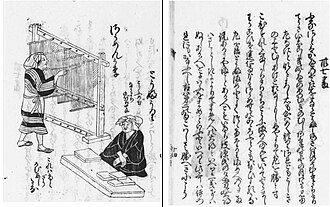
The exact origins of tofu remain a subject of historical debate. One popular theory attributes its discovery to Liu An, a Han dynasty prince (179–122 BC). While a stone mural from an Eastern Han dynasty tomb suggests tofu existed during this era, some scholars argue that early versions may have lacked the refined texture and taste of modern tofu.
In China, while forms of tofu may have appeared during the Han dynasty, it did not achieve widespread popularity until the Song dynasty (960–1279). Historically, it served as an affordable alternative to meat.
Tofu in the West
Tofu's journey to the West is famously linked to Benjamin Franklin. In a 1770 letter, Franklin described the substance as "cheese" from China. The term "tofu" appeared in English documentation as early as 1704, and the word "towfu" was used in correspondence between the merchant James Flint and Franklin in 1770. The first tofu company in the United States was established in 1878, and in 1908, Li Yuying opened the world's first soy dairy, the Usine de la Caséo-Sojaïne, in France.
How Tofu is Made
Regardless of the scale of production, the fundamental process of making tofu involves three essential steps:
- Preparation: Creating soy milk from soybeans.
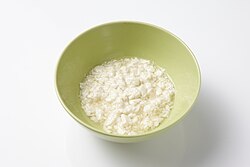
- Coagulation: Adding a coagulant to the soy milk to form curds (known as douhua). Coagulants can be salt-based, acid-based, or enzyme-based.
- Pressing: Pressing the soybean curds into molds to form solid tofu cakes.
Exploring Tofu Varieties
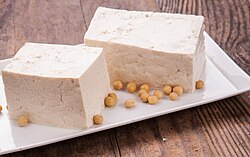
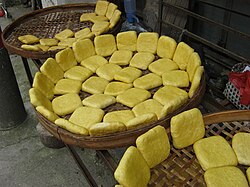
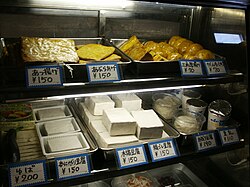
Tofu is not a single product but a wide spectrum of textures and forms. These are generally categorized into unpressed fresh tofu, pressed fresh tofu, and processed tofu.
Fresh Tofu Textures
The texture of tofu is largely determined by how much moisture is pressed out during production.
- Soft Tofu: A delicate, creamy variety.
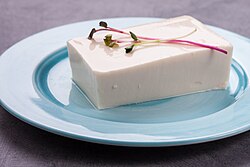
- Silken Tofu: A typical block of raw Japanese-style silken tofu, known for its smooth consistency.
Processed and Specialty Tofu
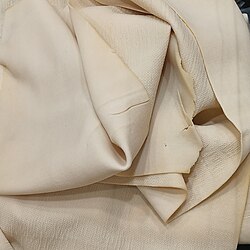
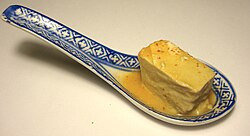
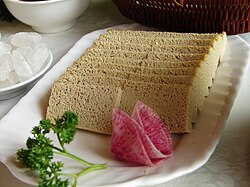
Through various techniques like freezing, fermenting, or drying, many unique varieties are created:
- Dòugān: An extra-firm variety.
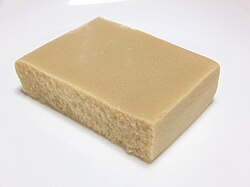
- Frozen Tofu: Tofu that has been frozen and then thawed, resulting in a unique, porous texture.
- Koya-dofu: Freeze-dried tofu that expands when soaked in liquid.
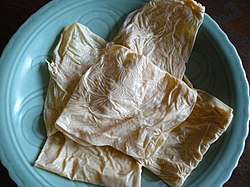
- Tofu Skin (Yuba): A by-product formed during the production process.
- Pickled/Fermented Tofu: Tofu that has undergone fermentation for distinct flavors.
Nutritional Value and Sustainability
Tofu is a nutritional powerhouse. A standard 100g serving of raw regular tofu typically contains approximately 76 calories, 8g of protein, 5g of fat, and 2g of carbohydrates. It is a significant source of essential minerals, providing 20% or more of the Daily Value (DV) for calcium, copper, iron, and manganese.
From an environmental perspective, tofu is one of the most efficient foods to produce. It requires very little land (1.3 m per 1000 kcal) and produces minimal greenhouse gas emissions (1.6 kg CO2 per 100g of edible protein) compared to many other protein sources.
Nutritional Comparison: Tofu vs. Egg Tofu
| Nutrient | Standard Tofu | Egg Tofu |
|---|---|---|
| Protein | 12.2 g | 5 g |
| Calcium | 138 mg | 17 mg |
| Magnesium | 63 mg | 24 mg |
Global Culinary Traditions
Tofu is prepared in countless ways across different cultures:
East Asia
- China: Popular dishes include pidan doufu (soft tofu) and douhua (a Sichuan-style dish).
- Japan: Known for yudofu (tofu in hot water) and atsuage (thick fried tofu).
- South Korea: Famous for sundubu-jjigae (spicy soft tofu stew) and dubu-kimchi.
Southeast Asia
- Indonesia: A wide array of preparations including tahu putih (firm white tofu) and tahu bacem (simmered in palm sugar and spices).
- Philippines: Often enjoyed as taho.
- Vietnam: Includes đậu hũ rán (fried tofu) and various preparations in offering trays.
Frequently Asked Questions
What is the difference between silken and firm tofu?
The primary difference lies in the texture and moisture content. Silken tofu is unpressed and has a very high water content, resulting in a smooth, custard-like texture. Firm tofu has been pressed to remove more moisture, making it denser and better suited for frying or absorbing sauces.
Is tofu a good source of protein?
Yes, tofu is a rich source of protein. For example, 100g of standard tofu provides approximately 12.2g of protein, making it an excellent option for vegetarians and vegans.
How is tofu made?
Tofu is made by coagulating soy milk. The process involves preparing soy milk, adding a coagulant (such as salt or acid) to form curds, and then pressing those curds into blocks.
What are the environmental benefits of eating tofu?
Tofu has a very low environmental footprint. It requires minimal land use and emits significantly fewer greenhouse gases per gram of protein compared to many other food sources.
Can you freeze tofu?
Yes, freezing tofu changes its texture. When thawed, frozen tofu becomes more porous and spongy, which can be useful for absorbing liquids in soups and stews.