Tiger: Biology, Distribution, and Conservation of the World's Largest Cat
The tiger (Panthera tigris) is the largest extant cat species in the world. A powerful apex predator, the tiger has existed since the Early Pleistocene and remains one of the most iconic symbols of wild nature. Despite their strength and adaptability, tigers are currently classified as Endangered by the IUCN, facing significant threats from habitat loss and human conflict.
From the frozen forests of Russia to the mangrove swamps of the Sundarbans, tigers have evolved into various subspecies to thrive in diverse environments. Their biological makeup, characterized by immense strength and a distinctive striped coat, makes them highly efficient hunters.
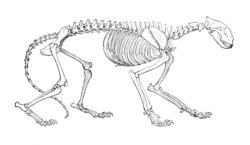
Key Facts
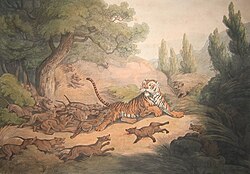
- Scientific Name: Panthera tigris
- Conservation Status: Endangered (IUCN 3.1)
- Global Population: Estimated between 5,638 and 5,899 individuals (2022)
- Primary Range: Asia, with the highest populations found in India
- CITES Status: Appendix I (highest level of protection)
Taxonomy and Subspecies
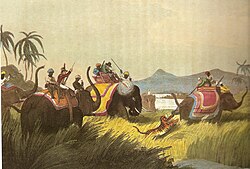
Tigers belong to the genus Panthera within the family Felidae. Over time, the species diverged into several subspecies, some of which are now extinct.
Extant Subspecies
- Bengal tiger (P. t. tigris): Found primarily in India and Bangladesh.
- Siberian tiger (P. t. altaica): The largest subspecies, native to the Russian Far East.
- Sumatran tiger (P. t. sumatrae): Found exclusively on the island of Sumatra.
- Indochinese tiger (P. t. corbetti) and Malayan tiger (P. t. jacksoni): Native to Southeast Asia.
- South China tiger (P. t. amoyensis): Critically endangered and rare in the wild.
Extinct Subspecies
The tiger has lost several populations over the last few centuries, including the Caspian tiger, the Javan tiger, and the Bali tiger.

Physical Characteristics and Variations
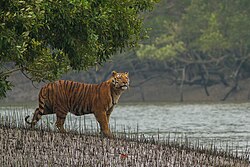
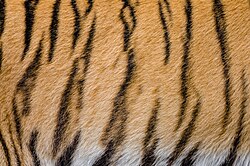
The most striking feature of the tiger is its coat, which typically consists of orange fur with black vertical stripes. These stripes act as camouflage in the dappled light of forests and grasslands.
Color Variations
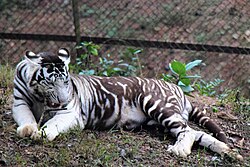
While the orange-and-black pattern is standard, genetic variations occur. Pseudo-melanistic or white tigers are rare variations that appear in some populations, though they are more commonly seen in captivity.
Distribution and Population
Tigers are now restricted to fragmented pockets of Asia. India holds the vast majority of the remaining wild population, followed by Russia and Indonesia.
| Country | Estimated Population |
|---|---|
| India | 3,167–3,682 |
| Russia | 573–600 |
| Indonesia | 393 |
| Nepal | 316–355 |
| Thailand | 148–189 |
| Malaysia | <150 |
| Bhutan | 131 |
| Bangladesh | 118–122 |
| China | >60 |
| Myanmar | 28 |
| Total | 5,638–5,899 |
Behavior and Ecology
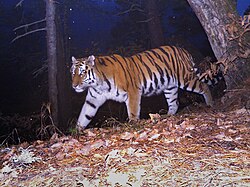
Tigers are solitary animals that establish large territories. They communicate through scent marking—spraying urine and rubbing against trees—and vocalizations such as roaring, growling, and snarling to signal aggression or dominance.
Hunting and Diet
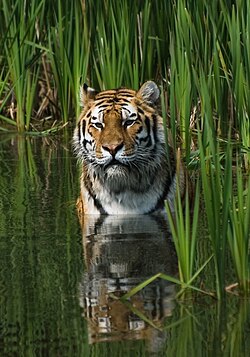
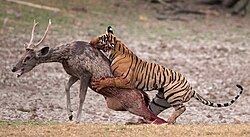
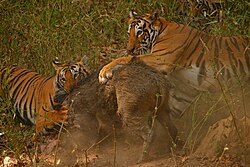
As carnivores, tigers primarily hunt large ungulates. Common prey include sambar deer and wild boar. They are ambush predators, relying on stealth and a powerful final pounce to take down their prey.
Reproduction and Life Cycle
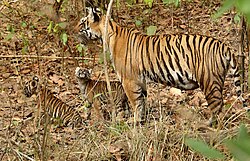
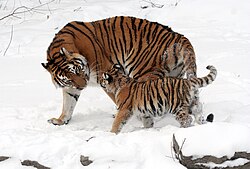
Tigers are generally solitary, coming together only for mating. Cubs are born dependent on their mothers, who provide protection and teach them essential hunting skills before they disperse to find their own territories.
Threats and Conservation
The decline of the tiger is primarily driven by human activity. Habitat fragmentation and the illegal trade of tiger parts remain critical threats. Additionally, diseases such as canine distemper can impact isolated populations.
Conservation efforts, including the Global Tiger Recovery Program, focus on protecting corridors between habitats and reducing human-tiger conflict in areas where settlements overlap with tiger ranges.

Cultural Significance
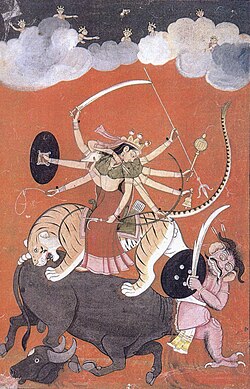
Tigers have held a profound place in human culture for millennia. They appear in ancient artifacts, such as the tiger-shaped jie (badge of authority) from the tomb of Zhao Mo, and in religious iconography, such as the Hindu goddess Durga riding a tiger.

Frequently Asked Questions
Which country has the most wild tigers?
India has the largest population of wild tigers, with an estimated 3,167 to 3,682 individuals as of 2022.
What is the difference between a Siberian and a Bengal tiger?
The Siberian tiger is the largest subspecies and is adapted to the cold climates of Russia, while the Bengal tiger is found in the warmer climates of India and Bangladesh.
Are white tigers a separate subspecies?
No, white tigers are not a separate subspecies; they are a color variation (often pseudo-melanistic) of the standard tiger.
What are the main threats to tigers today?
The primary threats include habitat loss, illegal poaching for their parts, and conflicts with human populations living near their habitats.
How do tigers mark their territory?
Tigers mark their territory using scent, specifically by spraying urine and rubbing their bodies against trees.