Thomas Jefferson: Architect of American Liberty and Third U.S. President
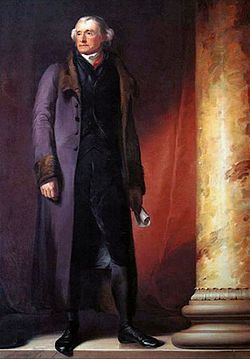
Thomas Jefferson was a polymath of the Age of Enlightenment, serving as a primary author of the United States' founding documents and the nation's third president. A lawyer, revolutionary, and philosopher, Jefferson's influence extends from the conceptualization of individual liberties to the physical expansion of the American frontier.
His life was defined by a commitment to classical liberalism and the belief that "all men are created equal," though his personal life and legacy remain complex due to his role as a slave owner. From his early studies in Virginia to his diplomatic missions in France, Jefferson shaped the political and intellectual landscape of the early United States.
Key Facts
- Primary Role: 3rd President of the United States (1801–1809).
- Major Achievement: Principal author of the Declaration of Independence (1776).
- Territorial Expansion: Orchestrated the Louisiana Purchase in 1803, doubling the size of the U.S.
- Educational Legacy: Founded the University of Virginia in 1819.
- Political Philosophy: Championed strict constructionism and the separation of church and state.
Early Life and Revolutionary Career
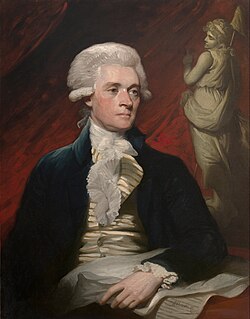
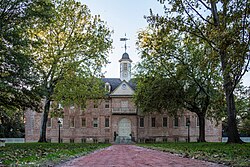
Born on April 13, 1743, at Shadwell Plantation, Virginia, Jefferson was educated at the College of William & Mary. He began his professional life as a lawyer and served in the Virginia House of Burgesses starting in 1769. As tensions with Great Britain escalated, Jefferson emerged as a leading voice for independence.
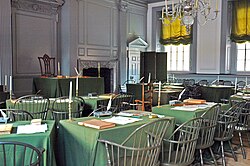
In 1775, he became a delegate to the Second Continental Congress. His most enduring contribution came in June 1776, when he wrote the draft of the Declaration of Independence while renting a floor in Philadelphia. This document established the foundational American ideals of "Life, Liberty and the pursuit of Happiness."
![The Declaration of Independence, which Jefferson largely wrote in isolation between June 11 and 28, 1776, from a floor he was renting in a home at 700 Market Street in Center City Philadelphia,[58] contain "the most potent and consequential words in American history," historian Joseph Ellis later wrote.](/images/8d/cf/8dcf6c2a70888211480905213a3d71b95826ef14e1f1367c6c8bc70627cb7a54.webp)
Leadership in Virginia
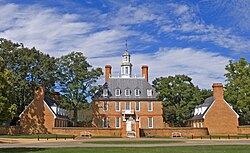
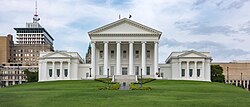
Following his work with the Congress, Jefferson served in the Virginia House of Delegates and later as the second Governor of Virginia from 1779 to 1781. During this time, he also designed the Virginia State Capitol in Richmond, reflecting his interest in architecture.
Diplomacy and the Rise to the Presidency
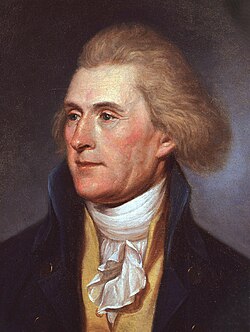
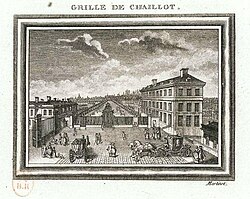
Jefferson's career expanded internationally when he served as the U.S. Minister to France from 1785 to 1789. This period deepened his commitment to democratic ideals and European political thought. Upon returning to the U.S., he was appointed by George Washington as the first U.S. Secretary of State (1790–1793).
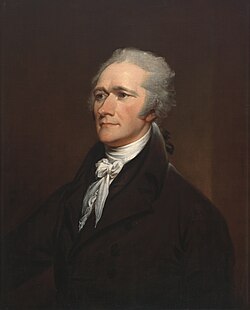
Political rivalry soon developed between Jefferson and Treasury Secretary Alexander Hamilton. While Hamilton favored a strong central government and a national bank, Jefferson advocated for Jeffersonian democracy, which emphasized agrarian interests and limited federal power.
The Path to the White House
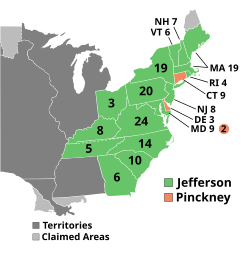
Jefferson ran for president in 1796 but lost to John Adams, subsequently serving as Vice President. The election of 1800 saw a reversal of fortunes; Jefferson defeated Adams to become the third president, marking a significant political transition in the young republic.
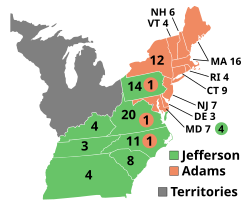
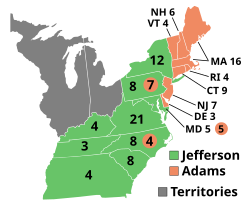
The Presidency (1801–1809)
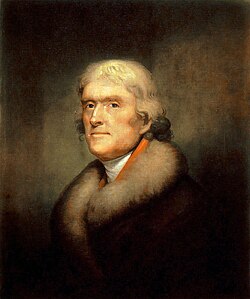
Jefferson's presidency was marked by a desire to reduce the size of the federal government and a focus on territorial growth. His administration is most famous for the Louisiana Purchase of 1803, which added 827,987 square miles to the United States, effectively doubling its geographic size.
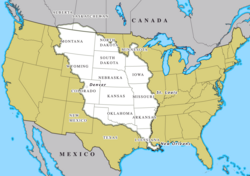
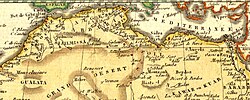
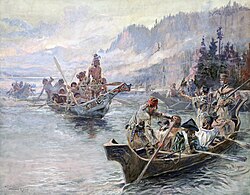
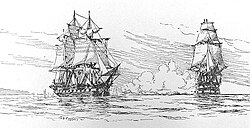
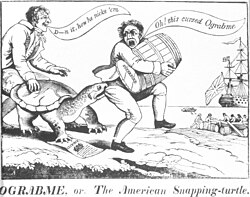
To explore these new lands, Jefferson commissioned the Lewis and Clark expedition, which traversed the continent to the Pacific Ocean. However, his term was not without conflict. He faced the First Barbary War in North Africa and the "Chesapeake-Leopard affair," a naval confrontation with Great Britain that eventually led to the Embargo Act of 1807.
Domestic and Native American Affairs
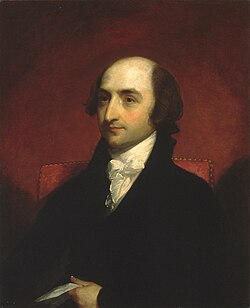
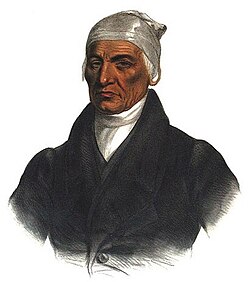
Domestically, Jefferson worked with Treasury Secretary Albert Gallatin to manage the nation's finances. Regarding Native Americans, he pursued policies of assimilation, though these relationships remained strained and complex.
Post-Presidency and Final Years
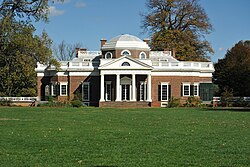
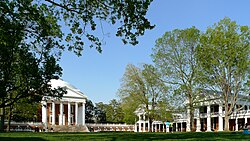
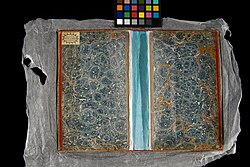
After leaving office in 1809, Jefferson returned to his estate, Monticello. He dedicated his later years to education and scholarship, founding the University of Virginia in 1819. He also produced the "Jefferson Bible," a version of the New Testament that removed supernatural elements to focus on the moral teachings of Jesus.
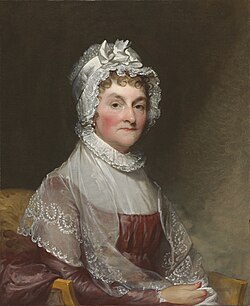
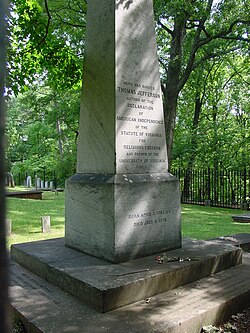
In a poignant turn of history, Jefferson reconciled with his former rival, John Adams. The two maintained a deep correspondence until their deaths. In a remarkable coincidence, both men died on July 4, 1826—the 50th anniversary of the Declaration of Independence.
Complexities and Controversies
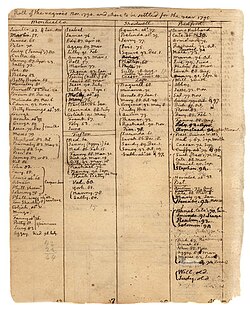
Jefferson's legacy is complicated by the contradiction between his rhetoric of liberty and his status as a slave owner. Records from his 1795 Farm Book list 163 enslaved people at Monticello. Furthermore, historical evidence and descendants point to a long-term relationship between Jefferson and Sally Hemings, an enslaved woman at his estate.
| Role | Term/Years | Key Contribution |
|---|---|---|
| Delegate, Second Continental Congress | 1775–1776 | Drafted the Declaration of Independence |
| Governor of Virginia | 1779–1781 | Led Virginia during the Revolutionary War |
| U.S. Minister to France | 1785–1789 | Managed early diplomatic relations with France |
| U.S. Secretary of State | 1790–1793 | First person to hold the office |
| President of the United States | 1801–1809 | Louisiana Purchase and Lewis & Clark Expedition |
Frequently Asked Questions
What was the significance of the Louisiana Purchase?
The 1803 Louisiana Purchase added 827,987 square miles to the United States, doubling the nation's size and providing vast new territories for expansion and resources.
How did Jefferson's views on government differ from Alexander Hamilton's?
Jefferson believed in a strict construction of the Constitution, favoring limited federal power and an agrarian economy, whereas Hamilton advocated for a strong central government and a national bank.
What is the "Jefferson Bible"?
The Jefferson Bible is a personal edit of the New Testament where Jefferson removed the miracles and supernatural events, leaving only the moral and ethical teachings of Jesus.
What was the relationship between Thomas Jefferson and John Adams?
Though they were fierce political rivals during the 1796 and 1800 elections, they reconciled in their later years and maintained a famous correspondence until they both died on July 4, 1826.
Did Thomas Jefferson own slaves?
Yes, Jefferson owned many enslaved people throughout his life; his own records from 1795 indicate he held 163 slaves at Monticello.