Third Anglo-Afghan War: The 1919 Struggle for Independence
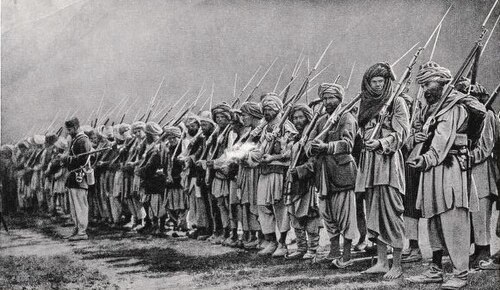
The Third Anglo-Afghan War, known in Afghanistan as the War of Liberation, was a brief but pivotal conflict that took place between May 3 and August 8, 1919. This clash pitted the Emirate of Afghanistan against the United Kingdom and British India along the volatile North-West Frontier. While the military engagements were short-lived, the political ramifications were profound, ultimately altering the sovereignty of the Afghan nation.
The conflict was ignited by the new Emir, Amanullah Khan, who sought to proclaim full independence and solidify his legitimacy by declaring a Jihad (holy war) against British influence. Taking advantage of widespread unrest within India, Afghan forces launched an invasion on three fronts, aiming to reclaim ancestral provinces west of the Indus River.
Key Facts
- Duration: May 3 – August 8, 1919 (approximately 3 months).
- Primary Objective: Afghanistan sought full independence in foreign affairs.
- Afghan Strength: A standing army of 50,000 supported by up to 80,000 tribesmen.
- British Strength: 8 divisions, 5 independent brigades, 3 cavalry brigades, and modern air support.
- Outcome: A military stalemate/British tactical victory that resulted in a political victory for Afghanistan.
Historical Background: The Great Game
The roots of the 1919 conflict lay in the Great Game, a strategic rivalry between the British Empire and Tsarist Russia. Britain viewed Afghanistan as a critical buffer zone, fearing that Russian influence in Kabul could lead to an invasion of India. This anxiety fueled two previous conflicts: the First Anglo-Afghan War (1839–1842) and the Second Anglo-Afghan War (1878–1880).
Following the Second Afghan War, the Treaty of Gandamak (1879) effectively gave Britain control over Afghan foreign policy, stipulating that Afghanistan should have "no windows looking on the outside world, except towards India." Although this was not strictly enforced, the tension between nominal independence and British oversight persisted for decades.
The catalyst for the Third War arrived after World War I. Influenced by a Turko-German mission, Emir Habibullah Khan began asserting Afghanistan's independence. He requested a seat at the 1919 Versailles Peace Conference, but was denied by the British viceroy, Lord Chelmsford. Following Habibullah's assassination on February 19, 1919, his successor, Amanullah Khan, moved decisively toward total sovereignty.
Military Operations and the Role of Airpower
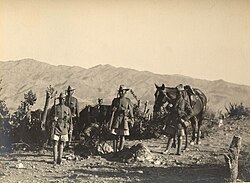
The Afghan invasion was characterized by bold movements across the frontier, but the British responded with a combination of traditional infantry and emerging technology. The British and Indian forces utilized a variety of artillery, including 18-pounders, 4.5-inch howitzers, and mountain guns, though many batteries were under-strength.
A significant turning point occurred at Stonehenge Ridge. After a preliminary bombardment, the 11th Sikh Regiment launched an assault. Despite delays caused by ammunition shortages and extreme heat, the Sikh forces eventually seized the ridge, finding that the Afghan forces had retreated, leaving behind artillery and standards. British and Indian forces suffered 22 killed and 157 wounded, while Afghan losses were estimated at 200 killed and 400 wounded.
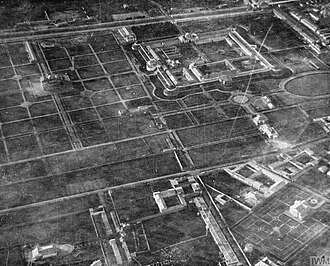
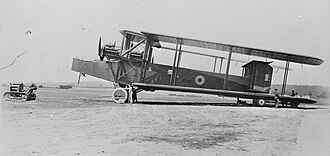
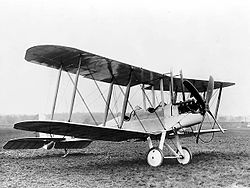
The most decisive factor in the conflict was the introduction of British airpower. The Royal Air Force (RAF) conducted bombing raids on Kabul, including a strike on the Amir's palace on May 24, 1919. This aerial campaign severely damaged Afghan morale and pressured Amanullah Khan to seek an armistice.
Outcome and Political Resolution
An armistice was signed on June 3, 1919, followed by peace negotiations in Rawalpindi. Although the British had successfully evicted Afghan forces from Indian soil, the political climate forced them to make significant concessions. The resulting treaty granted Afghanistan the right to conduct its own foreign affairs and establish embassies abroad without British mediation.
Summary of Conflict Statistics
| Feature | Afghanistan | United Kingdom / India |
|---|---|---|
| Personnel | 50,000 army + 80,000 tribesmen | 8 divisions, 8 brigades, 3 cavalry brigades |
| Key Technology | Traditional infantry & artillery | RAF aircraft, armored cars, heavy artillery |
| Fatalities | 1,000 dead (plus hundreds wounded) | 1,751 dead or wounded |
| Equipment Loss | Significant artillery/standards at Stonehenge Ridge | 3 planes destroyed |
Military Honors
British and Indian infantry units that served in the conflict were awarded the battle honour "Afghanistan 1919." Rather than a separate campaign medal, participants received a clasp to the India General Service Medal (1908–1935). This honor was granted across various orders to British units, Indian Army Corps, Indian States Forces, and Gurkha regiments.
Frequently Asked Questions
Why did Amanullah Khan start the Third Anglo-Afghan War?
Amanullah Khan sought to achieve full independence for Afghanistan, specifically the right to manage its own foreign affairs, and to strengthen his own legitimacy as the new Emir.
What was the "Great Game"?
The Great Game was the strategic competition between the British Empire and the Russian Empire for influence in Central Asia, with Afghanistan serving as a critical buffer state between the two powers.
How did airpower influence the outcome of the war?
The Royal Air Force conducted bombing raids on Kabul, including the Amir's palace. These attacks damaged Afghan morale and were a primary factor in convincing the Afghan leadership to request an armistice.
Was the war a military victory for the British?
Tactically, the British were successful in repelling the Afghan invasion and maintaining their borders. However, the conflict is often viewed as a political victory for Afghanistan, as they secured their long-sought independence in foreign affairs.
What happened to the Treaty of Gandamak?
The restrictive terms of the 1879 Treaty of Gandamak, which limited Afghanistan's diplomatic relations to British India, were effectively overturned by the 1919 peace treaty, allowing Afghanistan to interact directly with other nations.