The Great Seine Angling Competition: A Historic Fishing Event
In a grand display of sporting passion and organizational ambition, the central union of presidents of companies and unions of anglers in France once hosted a massive angling competition in the heart of Paris. This event brought together hundreds of enthusiasts from across France and Europe to test their skills in the waters of the Seine, coinciding with the prestige of the Universal Exhibition.
The event was managed by a dedicated organizing committee chaired by Émile Ehret, president of the Union Association of Anglers of Paris. The committee consisted of various bourgeois and middle-class personalities who presided over local and departmental fishing societies, including representatives from Lille, Haute-Garonne, Yonne, Meurthe-et-Moselle, Rennes, and Saumur.
To ensure fairness and impartiality, a specialized jury was appointed. Led by Albert Petit, the jury included international expertise, such as C. C. A. de Wit from the Amsterdam Fishing Club, and notable figures like Belgian MP Count Camille de Briey.
Key Facts
- Total Participants: 600 contestants (560 French, 40 international).
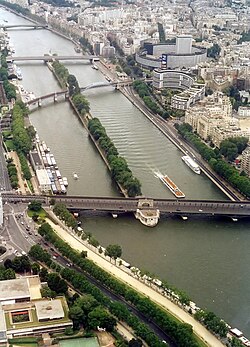
- Location: The left arm of the Seine, specifically the Île aux Cygnes between Pont d'Iéna and Pont de Grenelle.
- World Champion: Élie Lesueur from Amiens.
- Registration Fee: 3 francs (though 100 fees were covered by the committee president).
- Prize Pool: 1,800 francs for heats and 3,800 francs for the final.
Contestant Demographics and Entry
The competition was inclusive, welcoming men and women aged 18 and older. Participants could enter as individuals or as members of fishing societies. The demand was overwhelming, with nearly 3,000 people attempting to register on the first Sunday. Interestingly, the jury noted a high number of registrations from workers on Monday and Tuesday, despite their typical weekday unavailability.
Regulations and Environmental Challenges
To maintain a level playing field, strict regulations were enforced. Each competitor was limited to one line with a maximum of two hooks. While landing nets were permitted, receiving assistance from another person was strictly forbidden. However, there were no restrictions on the amount of groundbait—bait thrown into the water to attract fish—that could be used.
The choice of the Île aux Cygnes provided a long, straight line for competitors and a great view for the public. However, the environmental conditions were poor. The river was considered depopulated with small fish, and the left arm suffered from low oxygen levels during the summer. Adding to the difficulty, a sewer leak at the Pont de la Concorde on July 27 and 28 killed over 30 tons of fish just before the event began.
Organizers warned that salmon were absent from the Seine. Instead, anglers targeted species such as roach, bleak, chub, gudgeon, bream, barbel, carp, perch, and pike, with rarer sightings of monkfish, dace, tench, and eel. Despite this, the actual catch consisted mostly of "small fry," leading the publication La Pêche moderne to mockingly suggest that contestants should have brought their own fish.
The Competition Structure
To prevent Parisian anglers from having an unfair advantage due to local knowledge, the heats were divided by origin. Foreigners fished first, followed by provincial French anglers, and finally the Parisians.
| Heat | Time | Contestants | Fish Caught | Presiding Official |
|---|---|---|---|---|
| 1 | Sunday Morning | Foreigners | 17 | Pierre Baudin |
| 2 | Sunday Afternoon | Non-Parisians | 104 | Pierre Baudin |
| 3 | Monday Morning | Non-Parisians | 78 | Ernest Monis |
| 4 | Monday Afternoon | Non-Parisians | 66 | Ernest Monis |
| 5 | Tuesday Morning | Parisians | 264 | Justin de Selves |
| 6 | Tuesday Afternoon | Parisians | 641 | Justin de Selves |
The first ten anglers from each heat based on the number of fish caught qualified for the concours d'honneur (final). While some heats struggled due to the pollution killing larger fish, the second series—which included many anglers from Amiens—was notably successful. Notably, a Mrs. B from the Fishermen Society of Amiens qualified for the final.
The Concours d'Honneur and the Victory of Amiens
The final competition on Wednesday featured 57 competitors, including 20 Parisians. Together, they caught 881 fish, averaging 16 per person. The top 24 finalists shared a prize pool of 3,800 francs.
The highlight of the event was the victory of Élie Lesueur from Amiens, who caught the biggest fish and was crowned "world champion," receiving a trophy from President Émile Loubet. The final was presided over by Jean Dupuy, the Minister of Agriculture.
The Fishermen Society of Amiens emerged as the most distinguished group, arriving with at least fifteen members dressed in matching khaki outfits and wide-brimmed hats, accompanied by a brass band and a canteen woman. Upon their return home, they were celebrated as "the first angling society in the entire world."
Frequently Asked Questions
Who won the title of world champion?
Élie Lesueur from Amiens was named the world champion after catching the biggest fish during the concours d'honneur.
What environmental issues affected the competition?
The Seine suffered from low oxygen levels in the summer and a severe pollution event on July 27 and 28, where a sewer leak at the Pont de la Concorde killed more than 30 tons of fish.
What were the rules regarding fishing gear?
Contestants were allowed only one line with a maximum of two hooks. They could use a landing net and unlimited groundbait, but were prohibited from receiving help from other people.
How were the heats organized to ensure fairness?
To prevent Parisians from using their local knowledge to their advantage, the heats were separated by origin: foreigners fished first, followed by provincial French anglers, and finally the local Parisians.
Which fish species were expected in the Seine?
The organizing committee listed roach, bleak, chub, gudgeon, bream, barbel, carp, perch, and pike as primary targets, with monkfish, dace, tench, and eel being less common. Salmon were explicitly noted as absent.