Exploring Tetragonia tetragonioides: The Versatile New Zealand Spinach
Whether you know it as New Zealand spinach, warrigal greens, or kōkihi, Tetragonia tetragonioides is a remarkable plant with a rich history and impressive nutritional profile. A member of the fig-marigold family (Aizoaceae), this leafy green has traveled from the sandy shores of Eastern Asia, Australia, and New Zealand to become a cultivated staple and, in some regions, an invasive species.
This hardy plant is a halophyte—a specialized plant capable of growing in soils with high salt concentrations—making it a natural inhabitant of sandy shorelines and coastal bluffs. Today, it is valued both as an edible vegetable and as an ornamental ground cover.
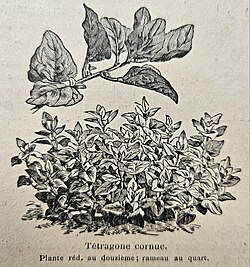
Key Facts
- Common Names: New Zealand spinach, warrigal greens, kōkihi, Botany Bay spinach, and sea spinach.
- Nutritional Powerhouse: Extremely high in Vitamin K (243% DV).
- Growth Habit: A trailing plant that forms thick carpets or climbs through other vegetation.
- Hardiness: Thrives in hot weather and can overwinter in USDA zones up to zone 5.
- Culinary Use: Cooked similarly to traditional spinach, though it requires blanching to reduce oxalates.
Botanical Description and Taxonomy
Tetragonia tetragonioides is characterized by its unique physical features. The plant typically exhibits a trailing habit, though young plants may grow erect. Its bright green, triangular leaves range from 3 to 15 cm in length. A distinctive feature of these leaves is the presence of tiny papillae—small, bump-like structures—that give the surface a texture resembling waterdrops.
The plant produces yellow flowers and small, hard capsules containing 4 to 10 "horned" seeds. Microscopically, the plant contains sphaeraphides (needle-like crystals) within its leaves, calyx, and ovary.
Scientific History
The species was first described in 1781 by the Prussian naturalist Peter Pallas as Demidovia tetragonoides. It was later reclassified into its current genus by the German botanist Otto Kuntze in 1891. In Australia, the names "Warrigal Greens" or "Warrigal Cabbage" derive from the local term warrigal, which refers to plants that were originally wild rather than farmed.
Cultivation and Gardening Tips
As an heirloom vegetable, this plant is relatively easy to grow and is notably resistant to many pests; even slugs and snails tend to avoid it. It can function as either an annual or a perennial depending on the climate.
Planting Instructions
- Seed Preparation: To improve germination, soak the thick, irregular seeds in cold water for 12 hours or in warm water for 3 hours before planting.
- Timing: Plant immediately after the last spring frost.
- Depth and Spacing: Sow seeds 5–10 mm deep, spacing them 15–30 cm apart.
- Maintenance: Seedlings typically emerge within 10–20 days, providing greens throughout the summer. Mature plants will eventually self-seed.
Because the plant contains oxalates (natural compounds found in many leafy greens), it is recommended to blanch the leaves in hot water for one minute and rinse them in cold water before final cooking to ensure they are prepared safely.
Historical and Culinary Significance
While indigenous populations, such as the Māori, used the plant (often boiling it with pōhue roots to reduce bitterness), it gained international fame through European exploration. Captain Cook documented the plant during his voyages, using it to help prevent scurvy among his crew by eating it cooked or pickled.
Following Cook's discovery, botanist Joseph Banks brought seeds to Kew Gardens, helping the plant spread globally. For two centuries, it stood as the only cultivated vegetable to originate from the Australia and New Zealand regions.
Nutritional Profile
When consumed, New Zealand spinach is highly hydrating, consisting of approximately 95% water. It is a low-calorie food, providing only about 12 kcal per 100g serving. However, it is exceptionally dense in essential micronutrients.
| Nutrient | Amount | % Daily Value (DV) |
|---|---|---|
| Energy | 51 kJ (12 kcal) | - |
| Protein | 1.3 g | - |
| Carbohydrates | 2.13 g | - |
| Dietary Fiber | 1.4 g | - |
| Vitamin K | - | 243% |
| Vitamin C | - | 18% |
| Vitamin B6 | - | 14% |
| Manganese | - | 23% |
| Riboflavin (B2) | - | 8% |
Frequently Asked Questions
How should I prepare New Zealand spinach for eating?
The leaves can be eaten raw or cooked, but because they contain oxalates, it is best to blanch them in hot water for one minute and then rinse them in cold water before your final cooking process.
Is New Zealand spinach easy to grow?
Yes, it thrives in hot weather and is quite hardy. It is also notable for being resistant to many common garden pests, including slugs and snails.
Can I grow this plant in my garden as a ground cover?
Absolutely. Due to its trailing growth habit and ability to form a thick carpet, it is frequently used as an ornamental ground cover in addition to being a food source.
What is the best way to plant the seeds?
For best results, soak the seeds in cold water for 12 hours (or warm water for 3 hours) before planting them 5–10 mm deep in well-spaced rows.
Why is it called "Warrigal Greens"?
The name comes from the Australian term "warrigal," which is used to describe plants that are wild or not originally domesticated.