Taxonomy: The Science of Biological Classification and Naming
In the vast diversity of life on Earth, scientists require a standardized method to organize and identify millions of different organisms. This is the role of taxonomy—derived from the Ancient Greek taxis (arrangement) and nomia (method). Taxonomy is the scientific study of naming, defining, and classifying biological organisms based on shared characteristics.
While early taxonomy focused primarily on physical similarities, modern approaches prioritize common ancestry and evolutionary relationships. By grouping organisms into taxa (singular: taxon), biologists create a structured hierarchy that allows researchers worldwide to communicate precisely about specific life forms, whether they are extinct or currently thriving.

Key Facts
- Founder: Carl Linnaeus is regarded as the father of modern taxonomy for developing the ranked system and binomial nomenclature.
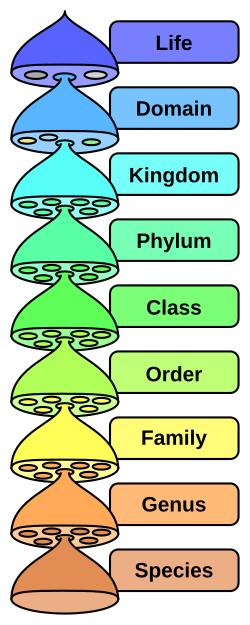
- Hierarchy: The primary ranks include Domain, Kingdom, Phylum, Class, Order, Family, Genus, and Species.
- Modern Focus: Current classification emphasizes evolutionary history (phylogenetics) over simple physical resemblance.
- Systematics: A broader field that includes taxonomy but also investigates evolutionary histories and preserves biological collections.
The Evolution of Classification
Pre-Linnaean and Early Efforts
Before the 18th century, naming organisms was often chaotic and disorganized. Early taxonomists in ancient and medieval times attempted to group animals and plants, but lacked a universal system. By the Renaissance, figures like Joseph Pitton de Tournefort began creating more structured works; his 1700 text, Institutiones Rei Herbariae, categorized over 9,000 species and served as a foundational influence for later scientists.
The Linnaean Revolution
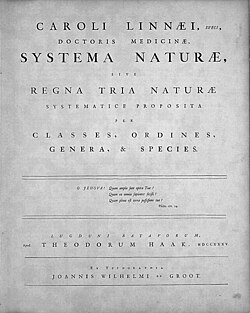
The Swedish botanist Carl Linnaeus transformed the field with the publication of Systema Naturae in 1735. He introduced binomial nomenclature, a standardized two-part naming system (Genus and species) that replaced long, descriptive Latin phrases. Linnaeus also established the hierarchical ranks of class, order, genus, and species, providing an elegant solution to the previous taxonomic disorder.
Darwin and the Shift to Phylogenetics
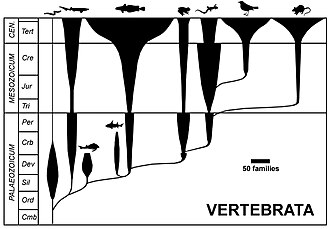
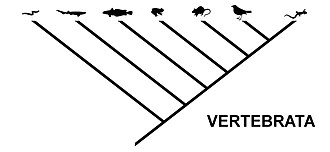
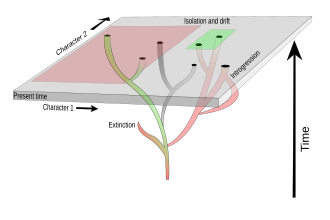
The publication of Charles Darwin's On the Origin of Species in 1859 fundamentally changed taxonomy. Instead of grouping organisms solely by appearance, scientists began developing phyletic systems—classifications based on evolutionary relationships. This shift led to the development of cladistics and phylogenetic systematics, which use branching diagrams to show how different groups diverged from common ancestors.
The Taxonomic Hierarchy
Modern biological classification organizes life into a series of increasingly inclusive ranks. While additional levels can be added, the principal ranks used today are as follows:
| Rank | Description |
|---|---|
| Domain | The highest and most inclusive level (e.g., Bacteria, Archaea, Eukarya). |
| Kingdom | Large groups such as Animalia, Plantae, and Fungi. |
| Phylum / Division | Groups based on general body plan (Division is used in botany). |
| Class | A group of related orders. |
| Order | A group of related families. |
| Family | A group of related genera. |
| Genus | A group of closely related species. |
| Species | The most specific level; organisms capable of interbreeding. |
How Organisms are Classified
To define a new taxon, taxonomists analyze a wide array of taxonomic characters. This multidisciplinary approach ensures that classifications are accurate and reflect true biological relationships.
Morphological and Physiological Data
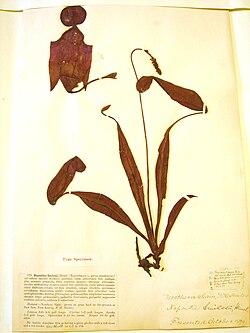
Traditional taxonomy relies on morphology (the study of the form and structure of organisms). This includes external features, internal anatomy, embryology, and cytological factors like karyology (the study of chromosome number and appearance). Physiological characters, such as metabolic factors and body secretions, also provide critical clues.
Molecular and Behavioral Evidence
Modern technology has introduced molecular characters, which are often more precise than physical traits. These include:
- DNA and RNA sequences.
- Amino acid sequences of proteins.
- DNA hybridization and restriction endonuclease analyses.
Additionally, behavioral characters (such as courtship rituals) and ecological characters (such as habitat and food sources) help distinguish between species that may look identical but are biologically distinct.
Frequently Asked Questions
What is the difference between taxonomy and systematics?
Taxonomy is specifically the science of naming, defining, and classifying organisms. Systematics is a broader field that includes taxonomy but also focuses on the evolutionary history and phylogenetic relationships of those organisms.
Why did the number of kingdoms change over time?
As scientific tools improved, biologists discovered that some organisms did not fit into the original two-kingdom system (Plants and Animals). This led to the addition of Protista, Monera, and Fungi, and eventually the shift toward a three-domain system based on genetic differences.
What is a cladogram?
A cladogram is a branching diagram used in cladistics to show the relationship between a group of organisms based on their common origins and shared derived characteristics.
What is phenetics?
Phenetics, or numerical taxonomy, is an approach to classification based on overall similarity between organisms, regardless of their evolutionary history.
What is binomial nomenclature?
Introduced by Carl Linnaeus, binomial nomenclature is the formal system of naming species using two parts: the genus name (capitalized) and the specific epithet (lowercase), both typically written in Latin.