Tafil Buzi: The Albanian Rebel Leader of the 19th Century
Tafil Buzi (1792–1844) was a prominent Albanian fighter and leader who became a central figure in the resistance against the Ottoman Empire. Operating primarily in southern Albania, Buzi led several significant uprisings during the Albanian Revolts of 1833-1839, fighting for local autonomy and the rights of the Albanian people against central imperial authority.
His life was marked by a cycle of rebellion, capture, and eventual service to the state he once fought, reflecting the volatile political landscape of the 19th-century Balkans.
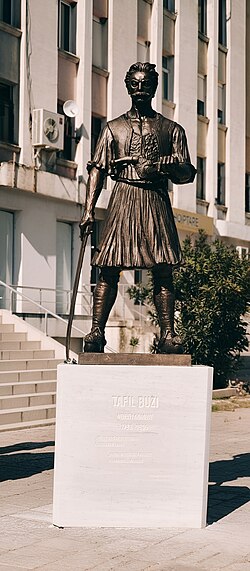
Key Facts
- Born: 1792 in Tepelena, Albania.
- Died: 1844 in Ottoman Syria.
- Primary Role: Leader of anti-Ottoman rebellions in southern Albania.
- Key Allies: Maintained contacts with Muhammad Ali of Egypt.
- Major Military Feat: Led an army of 10,000 men to besiege the castle of Berat.
- Final Years: Served as a leader of Albanian mercenaries in Lebanon.
The Rise of Rebellion (1830–1833)
The catalyst for Buzi's activism was the Massacre of the Albanian Beys (landowning nobility) in 1830. This event sparked a wave of anti-Ottoman sentiment across Albanian-inhabited territories. Buzi emerged as a figurehead, leading revolts in the regions of Vlorë, Berat, and Skrapar alongside other leaders such as Zenel Gjoleka and Çelo Picari.
The rebels' primary demands were the appointment of local Albanian governors and officials in their districts and the total abolishment of newly imposed taxes. In 1833, Buzi specifically contested the provincial administration, new tax reforms, and conscription laws (the forced enlistment of people into military service).
To quell the unrest, Mustafa Nuri Pasha, the governor of Trikala, attempted to neutralize Buzi by offering him the position of Derbend superintendent (a guardian of mountain passes and roads) in the districts of Agrafa and Dömeke. While Buzi may have held this post briefly, his commitment to the rebellion remained.
The Siege of Berat and the March to Ioannina
Between 1834 and 1835, Buzi led a massive uprising at the request of the people of Berat. He assembled an army of 10,000 men and successfully besieged the castle of Berat. Following the city's liberation, a governing committee was established, with Buzi elected as the military commander and Abaz bey Lushnja serving as the political leader.
In January 1835, the committee signed an agreement with the Ottoman government. The Ottomans promised to meet the rebels' demands in exchange for their disarmament. However, the Ottoman government quickly violated the terms of the agreement. In response, Buzi led his forces toward Ioannina, where he issued a proclamation calling for all Albanians to take up arms against the empire.
During this period, Buzi sought external support from Muhammad Ali of Egypt. The Ottoman government responded by deploying significant military forces, eventually forcing Buzi to accept an amnesty and return to his village in May 1835.
Later Years and Exile in Syria
Buzi's resistance continued into the summer of 1836 with a new uprising in the Vlorë region, though this attempt met with little success. His persistent defiance eventually led to his capture and internment by the Ottoman government in 1840.
After being pardoned in 1842, Buzi's relationship with the Ottoman state shifted. He was commissioned to lead 3,000 Albanian mercenaries in Lebanon. These forces became notorious for their involvement in widespread disorders in Beirut. Tafil Buzi remained in service in Ottoman Syria until his death in 1844 at the age of 51 or 52.
| Period | Event/Role | Key Outcome |
|---|---|---|
| 1833 | Initial Revolts | Contested taxes and conscription; offered Derbend post. |
| 1834-1835 | Siege of Berat | Captured Berat; elected military commander. |
| 1835 | March to Ioannina | Called for general Albanian uprising; accepted amnesty. |
| 1836 | Vlorë Uprising | Attempted rebellion with limited success. |
| 1840-1842 | Internment | Captured and imprisoned by Ottoman authorities. |
| 1842-1844 | Service in Syria | Led 3,000 mercenaries in Lebanon; died in 1844. |
Frequently Asked Questions
What were Tafil Buzi's primary goals during the revolts?
Buzi fought for the appointment of Albanian governors and officials in local districts and the abolishment of new Ottoman taxes and conscription laws.
Who were Buzi's main allies during his uprisings?
He worked alongside other Albanian leaders like Zenel Gjoleka and Çelo Picari, and he sought strategic assistance from Muhammad Ali of Egypt.
What happened after the liberation of Berat?
A committee was formed to govern the city, with Tafil Buzi serving as the military commander and Abaz bey Lushnja serving as the political leader.
How did Tafil Buzi's life end?
After being pardoned for his rebellions, Buzi served the Ottoman government in Syria as a leader of Albanian mercenaries. He died there in 1844.
Why was Buzi's role in Lebanon considered notorious?
Buzi led 3,000 Albanian mercenaries in Lebanon, some of whom were responsible for causing widespread disorder in the city of Beirut.