Syrian Jews: History, Diaspora, and Cultural Heritage
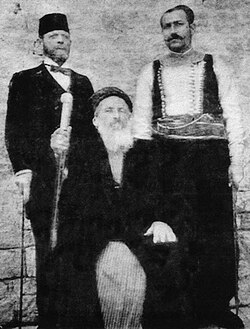
The story of the Syrian Jewish community is one of ancient roots and a sweeping global migration. For centuries, vibrant Jewish populations flourished in the cities of Aleppo (known as Halabi Jews) and Damascus (known as Shami Jews), as well as in Qamishli near the Turkish border. These communities preserved a unique blend of Mizrahi and Sephardi traditions, creating a rich cultural tapestry that continues to thrive in the diaspora today.
Over the 20th century, a significant shift occurred as the majority of Syrian Jews emigrated to Israel, the United States, and Latin America. While the community in Syria has dwindled to nearly nothing due to war and instability, their legacy is preserved through distinct liturgical music, a world-renowned cuisine, and tight-knit community structures across the globe.
Key Facts

- Global Population: Estimated at 300,000 people.
- Primary Hubs: Israel (115,000) and Brooklyn, New York (75,000).
- Current Status in Syria: Only 6 Jews are believed to remain in the country following the fall of the Assad regime.
- Major Centers: Historically centered in Aleppo and Damascus.
- Cultural Markers: Renowned for Baqashot (winter liturgical singing) and a distinct Judeo-Arabic dialect.
The Great Exodus and Global Diaspora
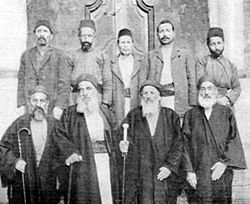
The migration of Syrian Jews occurred in waves. In the first half of the 20th century, many moved to the Americas and Israel. A critical period of emigration followed 1973, aided by figures such as Judy Feld Carr, who helped thousands leave. Official emigration was eventually permitted in 1992.
By 2011, only about 250 Jews remained in Syria, mostly in Damascus. The escalation of the Syrian Civil War and the threat of ISIS further depleted these numbers. In 2015, a covert rescue operation transported some of the last remaining Jews from Aleppo to Ashkelon, Israel.

Regional Communities
- Israel: Home to the largest population of Syrian Jews globally.
- United States: The largest community outside Israel is located in Brooklyn, New York, with approximately 75,000 members.
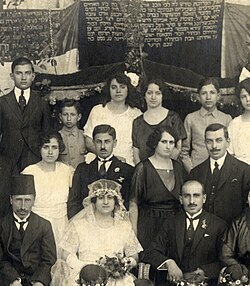
- Mexico: A strong presence in Mexico City, with the Alianza Monte Sinai (founded 1912) and Comunidad Maguen David serving as major pillars.
- Panama: A community of 10,000, primarily from Aleppo, centered around the Shevet Ahim Synagogue.

Cultural and Religious Traditions
Syrian Jewish identity is deeply tied to its liturgical and linguistic heritage. One of the most distinctive practices is Baqashot, marathon Kabbalistic singing sessions held in the early hours of Shabbat mornings during winter to welcome the sunrise.

The community also maintains a specific pronunciation of Hebrew and a unique Judeo-Arabic dialect. Historically, the community was the custodian of the Aleppo Codex, one of the most important manuscripts of the Hebrew Bible.
Regarding community boundaries, some diaspora groups in New York and Buenos Aires adopted strict rulings in the 20th century to discourage intermarriage, often limiting the acceptance of conversions to Judaism.
Syrian Jewish Cuisine
The culinary traditions of Syrian Jews are a celebrated fusion of Middle Eastern flavors. Their diet features a variety of Kibbeh (meat and grain patties), stuffed vegetables, and aromatic stews.
| Dish Name | Description |
|---|---|
| Kibbeh Riz | Fried patties made of mashed rice and ground beef. |
| Dfeena | A slow-cooked Shabbat meat and bean stew (similar to cholent). |
| Muħshi Kousa | Zucchini stuffed with rice, meat, mint, and lemon. |
| Fetteh | Chickpea broth cooked with Tequesquite, served with pita and yogurt. |
| Kanafeh | Shredded filo dough filled with pistachios or ricotta. |
Notable Figures
The Syrian Jewish diaspora has produced influential leaders and celebrities across various fields:
- Arts & Entertainment: Jerry Seinfeld, Paula Abdul, and filmmakers Joshua and Benjamin Safdie.
- Business & Finance: Billionaire bankers Joseph, Edmond, and Moise Safra, and real estate developers Stanley Chera and Jeff Sutton.
- Science & Diplomacy: Mathematician Frank Harary and diplomat Robert Malley.
- Architecture: World-renowned architect Moshe Safdie.
Frequently Asked Questions
What is the difference between Halabi and Shami Jews?
Halabi Jews originate from Aleppo, while Shami Jews originate from Damascus. While they share a broader Syrian Jewish identity, they have distinct ancestral roots and local community traditions.
How many Jews still live in Syria?
Following the fall of the Assad regime, it is believed that only 6 Jews remain in Syria.
What are Baqashot?
Baqashot are traditional Kabbalistic songs performed in the early morning hours of Shabbat during the winter months, a practice famously maintained in the Ades Synagogue.
Where is the largest Syrian Jewish community outside of Israel?
The largest community outside of Israel is located in Brooklyn, New York, with an estimated population of 75,000.
What is the significance of the Aleppo Codex?
The Aleppo Codex is a critical historical manuscript of the Hebrew Bible that was historically associated with the Jewish community of Aleppo.