Syrian Civil War: From Uprising to the Fall of the Assad Regime
The Syrian Civil War was a devastating conflict that spanned over thirteen years, beginning on March 15, 2011, and concluding on December 8, 2024. What started as a series of peaceful protests during the Arab Spring—a wave of pro-democracy uprisings across the Arab world—rapidly evolved into a complex multi-sided war. The conflict involved not only local factions but also major international powers, turning Syria into a focal point for regional and global proxy wars.
The war was characterized by extreme violence, the rise of extremist groups, and a humanitarian catastrophe of historic proportions. It finally reached a definitive conclusion in late 2024 with the collapse of the Assad government and a victory for the Syrian opposition and its allies.
Key Facts
- Duration: March 15, 2011 – December 8, 2024.
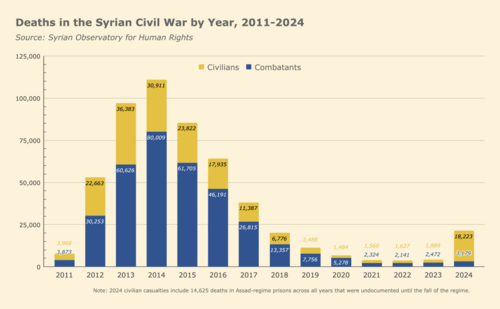
- Total Deaths: Over 656,493 people.
- Civilian Toll: Estimated between 219,223 and 306,887 deaths.
- Displacement: 6.7 million internally displaced persons and 6.6 million refugees.
- Outcome: Victory for the Syrian opposition and allied forces; fall of the Assad regime.
Background and Origins
The roots of the conflict were deeply embedded in Syria's socioeconomic and political landscape. Under the rule of the Assad family, the country faced significant human rights challenges and socioeconomic instability. A severe drought exacerbated these tensions, putting immense pressure on rural populations and contributing to widespread unrest.
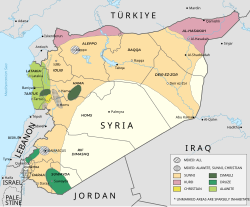
The demographic composition of Syria, featuring a complex mix of ethno-religious groups, also played a role in the sectarian nature of the fighting that would follow.
Timeline of the Conflict
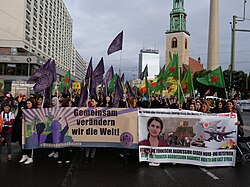
Protests and Armed Insurgency (2011–2013)
The conflict began with civil uprisings in 2011. The government's violent crackdown on protesters led to an escalation, transforming peaceful demonstrations into an armed insurgency by 2012. During this period, the Syrian Army utilized heavy weaponry, including T-72 tanks, to maintain control over urban centers.
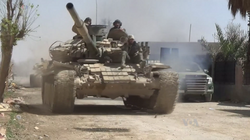
The Rise of Extremism and International Intervention (2014–2017)
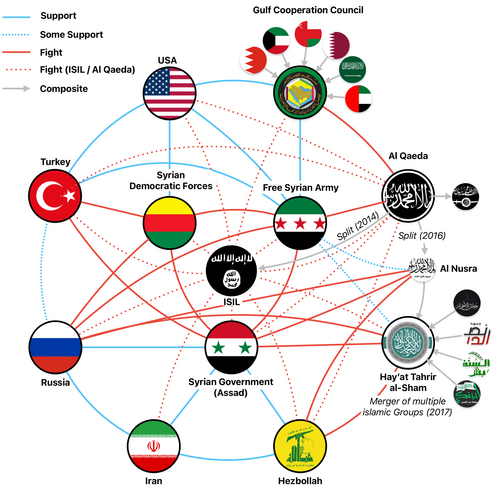
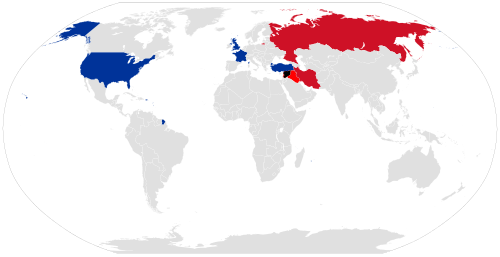
By 2014, Islamist groups gained significant ground, most notably the Islamic State (ISIL). This prompted a wave of international interventions. The United States led a coalition to combat ISIL, while Russia intervened in 2015 to support the Assad government, fundamentally shifting the momentum of the war.
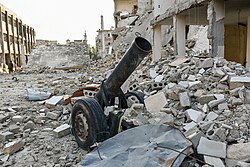
The battle for Aleppo became a turning point, involving the use of improvised weaponry such as "hell cannons" and intense urban warfare.
Stalemate and Frozen Conflict (2017–2023)
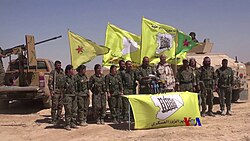
Between 2017 and 2023, the war entered a phase of relative stalemate. While the Syrian government regained much of its territory with Russian and Iranian support, large areas in the northeast remained under the control of the Kurdish-led Syrian Democratic Forces (SDF), who focused on eradicating ISIL remnants.
The Fall of the Assad Regime (2024)
The long-standing deadlock broke in 2024. A final, decisive offensive by the Syrian opposition led to the capture of key cities, including Hama, and culminated in the entry of rebel forces into Damascus on December 8, 2024, marking the end of the Assad dynasty's rule.
Weaponry and Warfare
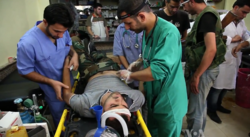
The Syrian conflict was marked by the use of indiscriminate and prohibited weapons. Chemical weapons, including sarin and chlorine, were used in attacks such as the Ghouta massacre of 2013. Other devastating munitions included cluster bombs and thermobaric weapons, which cause massive pressure waves and heat to destroy targets.
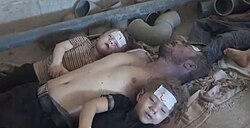
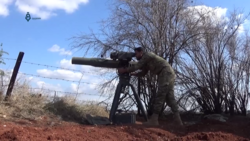
Opposition forces frequently utilized BGM-71 TOW anti-tank missiles to counter government armor, while the regime relied on heavy artillery and air superiority provided by its allies.
Humanitarian Impact
The human cost of the war was staggering. Millions were forced to flee their homes, creating one of the largest refugee crises of the 21st century. Refugees sought safety primarily in Turkey, Lebanon, Jordan, and Egypt, often living in cramped and precarious conditions.
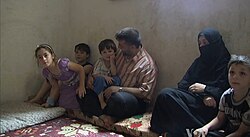
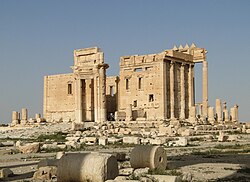
Beyond displacement, the war saw widespread reports of war crimes, including massacres, torture, and systemic rape. The destruction of cultural heritage was also prominent, exemplified by the destruction of the Temple of Bel in Palmyra by ISIL.
| Category | Estimated Figure |
|---|---|
| Total Fatalities | 656,493+ |
| Internally Displaced | 6.7 Million |
| External Refugees | 6.6 Million |
| Civilian Deaths | 219,223 – 306,887+ |
Frequently Asked Questions

When did the Syrian Civil War end?
The war effectively ended on December 8, 2024, with the collapse of the Assad regime and the capture of Damascus by opposition forces.
What was the role of the Syrian Democratic Forces (SDF)?
The SDF, a Kurdish-led alliance, operated primarily in northeastern Syria. They were key partners in the international campaign to defeat ISIL and established a degree of autonomy in their controlled regions.
Which countries were most affected by the refugee crisis?
Turkey, Lebanon, Jordan, and Egypt hosted the largest numbers of Syrian refugees fleeing the violence.
What types of prohibited weapons were used during the conflict?
The conflict saw the use of chemical weapons (such as in the Ghouta attack), cluster bombs, and thermobaric weapons.
Who were the primary international backers of the Assad government?
The Assad government was primarily supported by Russia and Iran, both of which provided military personnel, weaponry, and strategic support.