Bashar al-Assad: The Rise and Fall of Syria's Longest-Serving President
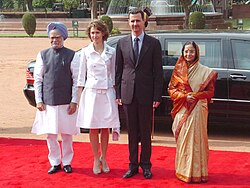
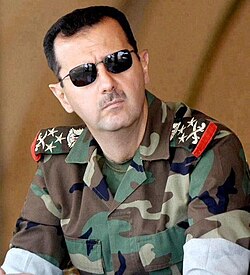
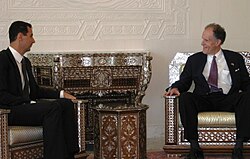
Bashar al-Assad served as the President of Syria from July 17, 2000, until his overthrow on December 8, 2024. A physician by training and a field marshal in the Syrian Arab Army, Assad inherited a personalist dictatorship from his father, Hafez al-Assad. His tenure, which spanned over two decades, was marked by an initial period of cautious hope followed by a brutal civil war that devastated the nation and displaced millions.
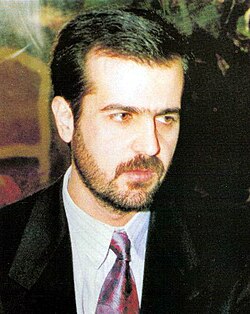
Assad's path to power was not originally predetermined. He was a medical doctor who spent years away from the political spotlight until the sudden death of his older brother, Bassel al-Assad, in a 1994 car accident. Bassel had been the intended successor to the presidency, prompting the government to pivot toward Bashar to ensure the continuity of the Assad family's rule.
Key Facts
- Presidency: Held office from July 17, 2000, to December 8, 2024.
- Political Party: Led the Arab Socialist Ba'ath Party and the National Progressive Front.
- Education: Earned a Medical Degree (MD) from Damascus University.
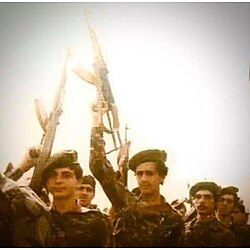
- Military Rank: Attained the rank of Field Marshal.
- End of Rule: Overthrown by opposition offensives in December 2024 and exiled to Moscow.
Early Presidency and the Damascus Spring
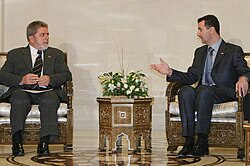
Upon taking office in 2000, Bashar al-Assad initially signaled a shift toward modernization. This period, known as the Damascus Spring, saw a brief opening of political discourse and a perceived loosening of state control. However, this window of reform was short-lived, as the regime quickly returned to its roots of strict censorship and repression to maintain stability.
International Relations and the Cedar Revolution
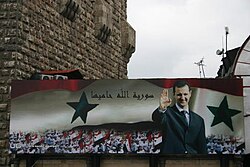
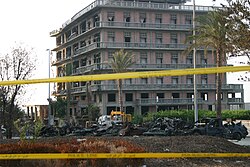
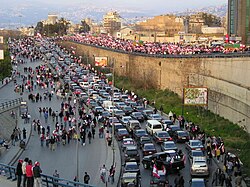
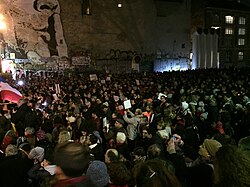
Assad's early foreign policy was characterized by a mix of diplomatic outreach and regional tension. A pivotal moment occurred in February 2005 following the assassination of Rafic Hariri, the former Prime Minister of Lebanon. The attack triggered the Cedar Revolution (or Independence Intifada), a series of protests that forced Syrian troops to withdraw from Lebanon and severely damaged Assad's international standing.
The Syrian Civil War (2011–2024)
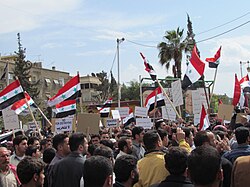
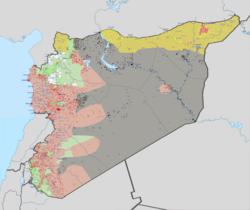
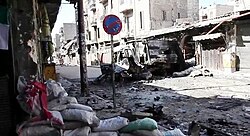
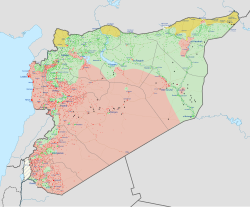
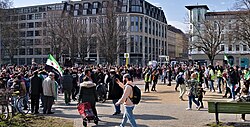
The 2011 Arab Spring reached Syria in March, sparking pro-democracy protests in cities like Douma. The regime responded with violent crackdowns, transforming peaceful demonstrations into a full-scale armed conflict. The resulting Syrian Civil War became one of the deadliest conflicts of the 21st century, involving a complex array of domestic opposition forces and international actors.
Russian Intervention and Regime Survival
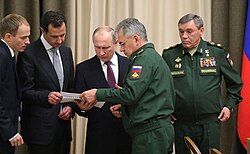
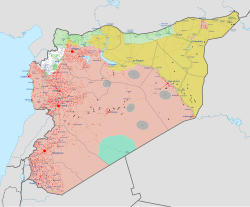
By 2015, the Syrian Army had lost significant territory to various opposition groups. The tide shifted with the direct military intervention of Russia, which provided critical air support and strategic coordination. This alliance, bolstered by support from Iran, allowed Assad to reclaim major urban centers, including Aleppo, though at a staggering cost to civilian infrastructure and life.
Human Rights and War Crimes
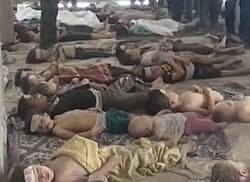
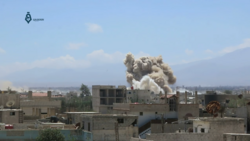
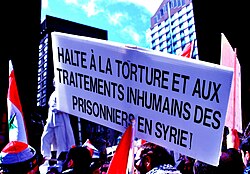
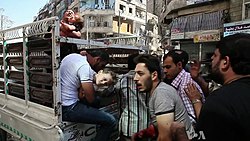
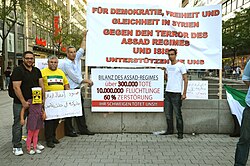
Assad's presidency is defined by widespread allegations of war crimes. These include the use of chemical weapons—most notably in the Ghouta attack—and the systematic use of torture and forced disappearances in state prisons. International bodies and human rights organizations have documented ethnic cleansing and the targeted bombing of civilian areas, such as the Darayya suburb of Damascus.
Collapse and Exile
Despite years of survival through foreign patronage, the regime faced a sudden and rapid collapse in late 2024. A series of coordinated opposition offensives managed to overthrow the government in just 11 days. On December 8, 2024, Bashar al-Assad was removed from power and fled into exile in Moscow, Russia.
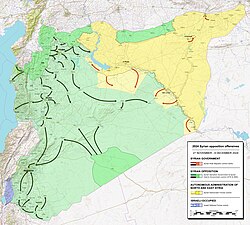
Following his fall, the transition of power saw Ahmed al-Sharaa succeed him. The collapse marked the end of the Assad family's multi-generational grip on the Syrian state.
Summary of Presidential Terms
| Year | Office | Votes Received | Percentage | Result |
|---|---|---|---|---|
| 2000 | President | 8,689,871 | 99.74% | Unopposed |
| 2007 | President | 11,199,445 | 99.82% | Unopposed |
| 2014 | President | 10,319,723 | 92.90% | Won |
| 2021 | President | 13,540,860 | 95.19% | Won |
Frequently Asked Questions
How did Bashar al-Assad come to power?
Bashar al-Assad succeeded his father, Hafez al-Assad, in 2000. He was not the original heir; his older brother Bassel was destined for the presidency but died in a car accident in 1994, leading the regime to prepare Bashar for the role.
What was the Damascus Spring?
The Damascus Spring was a brief period of relative political openness and reform that occurred shortly after Bashar al-Assad took office in 2000, before the regime returned to strict authoritarian control.
What role did Russia play in the Syrian Civil War?
Russia intervened militarily in 2015, providing essential air power and strategic support that prevented the collapse of the Assad regime and helped it reclaim significant portions of Syrian territory.
Why was Bashar al-Assad accused of war crimes?
He was accused of overseeing the use of chemical weapons against civilians, conducting systematic torture in prisons, and ordering the bombing of residential areas and hospitals during the civil war.
When and how did the Assad regime finally fall?
The regime collapsed in December 2024 after a rapid 11-day offensive by Syrian opposition forces. Bashar al-Assad was overthrown on December 8, 2024, and subsequently exiled to Moscow.