Spanish American Wars of Independence
Between 1808 and 1833, the Spanish Empire underwent a seismic transformation as its American colonies fought a series of brutal conflicts to secure their sovereignty. These wars were not merely military engagements but were the result of deep-seated social tensions, the spread of Enlightenment ideals (intellectual movements emphasizing reason and individualism), and a sudden power vacuum in Europe.
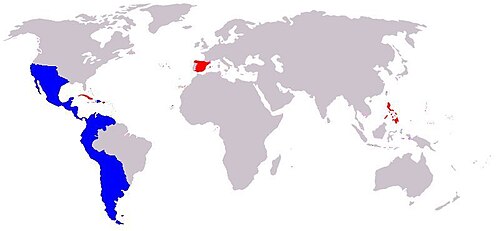
The struggle pitted the Patriots—those seeking independence—against the Royalists, who remained loyal to the Spanish Crown. The result was the total disintegration of Spanish America, leading to the birth of numerous sovereign nations across North and South America.
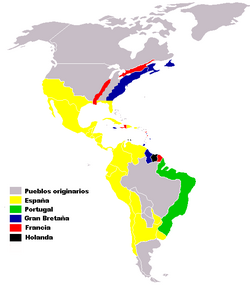
Key Facts
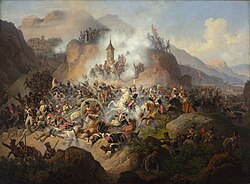
- Duration: September 25, 1808 – September 29, 1833.
- Human Cost: An estimated 1,000,000 total deaths, including 600,000 in New Spain and 400,000 in New Granada.
- Major Belligerents: Patriot forces (including 6,500 British volunteers and 3,000 American sailors) versus the Spanish Army and Navy.
- Outcome: Patriot victory and the establishment of independent states including Mexico, Peru, Chile, and Gran Colombia.
- Catalyst: The Napoleonic invasion of Spain, which destabilized the Bourbon dynasty.
The Path to Revolution
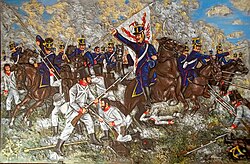
The Napoleonic Catalyst
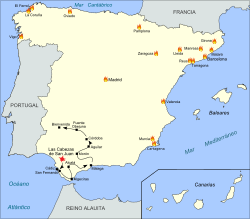
The spark for independence was ignited in Europe. The Napoleonic Wars led to the French military occupation of Spain and the forced abdications of the Bourbon monarchy. This collapse of central authority created a crisis of legitimacy in the Americas. While some remained loyal to the Supreme Central Junta or the Cortes of Cádiz (the Spanish national assembly), others formed their own local juntas, which eventually evolved into insurrection movements.
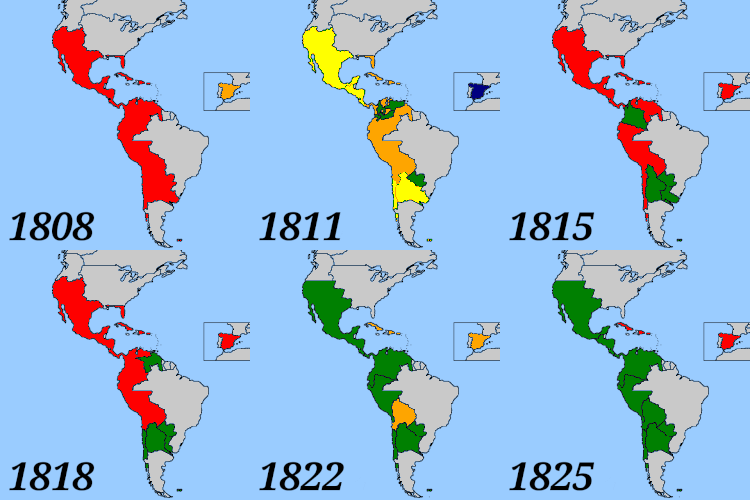
Institutional Instability in Spain
Spain itself was torn between different political visions. The period saw a clash between Monarchism (absolutist rule) and Liberalism (constitutional government). The Spanish Constitution of 1812 represented a liberal attempt to reform the empire, but the subsequent restoration of Ferdinand VII's absolute power in 1814 pushed many American colonies toward total separation.
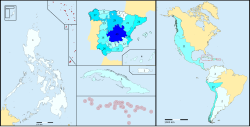
Military Campaigns and Regional Struggles
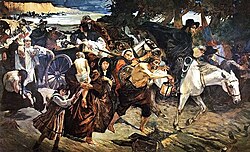
New Spain and Central America
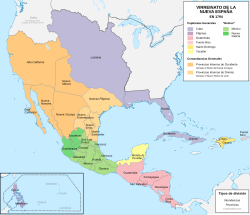
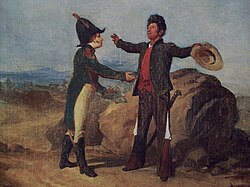
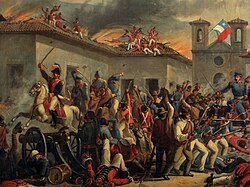
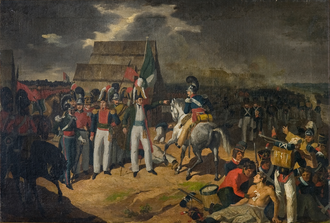
In New Spain (modern-day Mexico), the conflict was marked by intense social and racial tensions. The movement eventually culminated in the Army of the Three Guarantees securing independence. Despite attempts by Spain to reconquer the territory, such as at the Battle of Tampico in 1829, Mexico remained sovereign.
The Liberation of South America
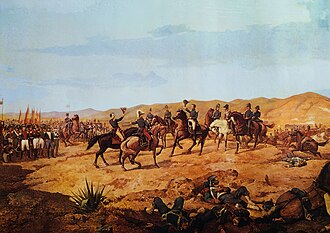
South American independence was characterized by massive cross-continental campaigns. In the south, the Army of the Andes played a pivotal role in liberating Chile and Peru. Key engagements like the Battle of Chacabuco and the Battle of Maipú were decisive in breaking Royalist control in the Southern Cone.
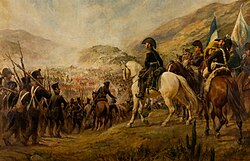
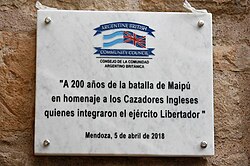
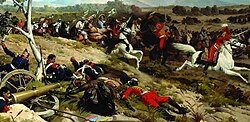
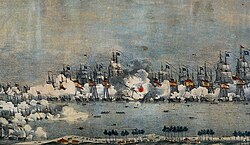
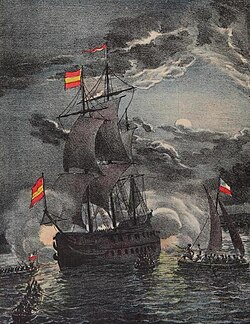
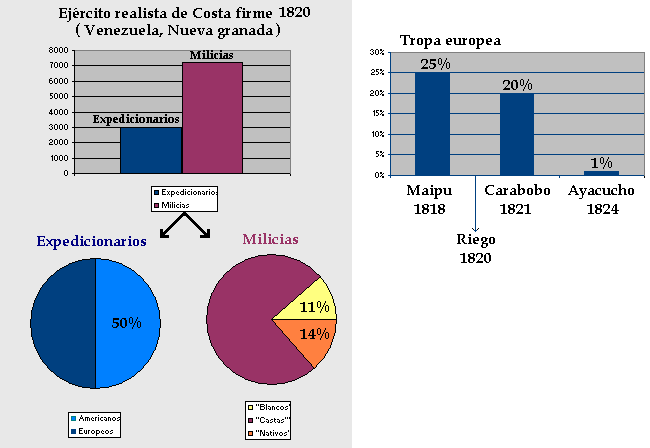
In the north, the forces of Gran Colombia fought grueling battles to expel the Spanish. The Battle of Carabobo and the Battle of Lake Maracaibo were essential in securing the independence of Venezuela and Colombia. The final blow to Spanish presence in South America came at the Battle of Ayacucho in 1824, which ensured the liberation of Peru.
The Aftermath of Independence
Political and Social Shifts
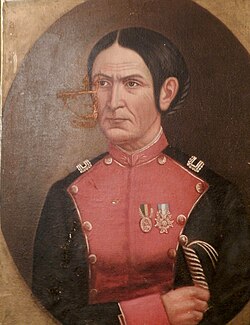
The wars left a legacy of political instability and economic hardship. While the colonies gained freedom from Spain, they often struggled with internal power struggles between regional rivals. However, the era also saw a significant shift in social dynamics, including the emergence of Mestiza leaders like Juana Azurduy de Padilla and the active role of women in the revolutionary cause.
Foreign Influence
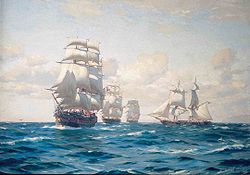
The independence movements were not isolated. The United Kingdom, the United States, France, and Russia provided varying levels of support. British volunteers and naval officers, such as Thomas Cochrane, provided critical military expertise to the Patriot cause.
Summary of the Conflict
| Category | Details |
|---|---|
| Timeframe | 1808–1833 |
| Primary Opponents | Patriots vs. Royalists |
| Key Regions | New Spain, New Granada, Río de la Plata, Peru, Chile |
| Major Casualties | ~1,000,000 total dead |
| Resulting Nations | Mexico, Bolivia, Chile, Peru, Colombia, Venezuela, Ecuador, Paraguay, Uruguay, Central American Republics |
Frequently Asked Questions


What caused the Spanish American wars of independence?
The wars were caused by a combination of Enlightenment ideals, economic restrictions imposed by Spain, and the political vacuum created when Napoleon Bonaparte invaded Spain and deposed the Bourbon monarchy in 1808.
Who were the Patriots and Royalists?
The Patriots were the insurgents and revolutionaries who fought for independence from Spanish rule. The Royalists were the forces loyal to the Spanish Crown and the established colonial administration.
Which battle effectively ended Spanish rule in South America?
The Battle of Ayacucho in 1824 is widely regarded as the decisive engagement that ensured the independence of South America by defeating the last major Royalist army in Peru.
How many people died during these conflicts?
The human cost was immense, with an estimated 1,000,000 total deaths. The heaviest losses occurred in New Spain (600,000) and New Granada (400,000).
Did other countries help the independence movements?
Yes. The United Kingdom and the United States provided significant support, including volunteers, sailors, and diplomatic recognition, while other nations like France and Russia also played roles in the broader geopolitical landscape.