Soul Jazz: The Groovy Intersection of Hard Bop, Gospel, and Blues
Soul jazz, often referred to as funky jazz, is a vibrant subgenre that bridges the gap between the sophisticated improvisations of jazz and the raw, emotional power of African American roots music. By blending hard bop (an extension of bebop characterized by a heavier influence from rhythm and blues) with gospel, soul, and the blues, soul jazz created a sound that was both musically complex and deeply accessible to a wide audience.
Emerging in the 1950s and reaching its peak in the 1960s, the genre is celebrated for its "down-home" feel and danceable rhythms. It served as a critical precursor to the jazz fusion movement of the late 1960s and 1970s, leaving an indelible mark on the evolution of modern music.
Key Facts
- Origins: Developed in the 1950s as an outgrowth of hard bop.
- Core Influences: Heavily informed by gospel, rhythm and blues (R&B), and the blues.
- Defining Instrument: The Hammond organ is central to the genre, often appearing in "organ trio" formats.
- Cultural Link: Closely tied to the Black Power and Civil Rights movements of the 1960s.
- Key Transition: Eventually evolved into jazz-funk and smooth jazz via labels like CTI.
The Musical Style of Soul Jazz
At its heart, soul jazz is defined by an earthy, bluesy melodic concept and repetitive, dance-like rhythms. While some listeners view it as synonymous with "funky hard bop," others see it as a distinct evolution. The music typically begins with the bass player establishing a steady groove with the drums, which the rest of the ensemble then embellishes with riffs and melodies.
Pianist Horace Silver described the "funky" aspect of the music as being earthy and blues-based, while "soul" added a deeper dimension of spirit and feeling. The instrumentation is diverse, often featuring small combos with saxophones, brass, electric guitars, double basses, and pianos, alongside the iconic electric organ.
The Evolution and History of the Genre
Origins and Early Pioneers
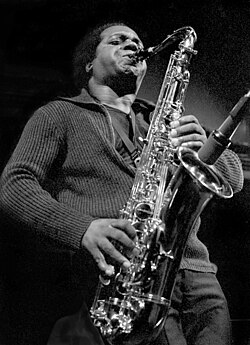
The roots of soul jazz can be traced to the mid-1950s, where gospel-informed "call-and-response" blues began appearing in jazz contexts. Early influences included the small group recordings of Ray Charles, which impacted legends like Art Blakey and Cannonball Adderley. Saxophonist Eddie "Lockjaw" Davis played a pivotal role by forming some of the first groups to pair the saxophone with the organ, creating a bridge between big band swing and the emerging soul jazz sound.
The Mainstream Era and the Hammond Organ
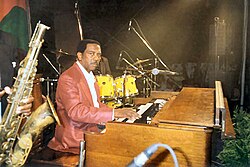
The genre gained significant public traction in the late 1950s and early 1960s. Jimmy Smith revolutionized the use of the Hammond organ, proving its potential as a lead instrument in albums like Home Cookin' and Back at the Chicken Shack. This era saw the rise of the organ trio and a shift toward reworking popular songs into soulful jazz hits.
Cultural Impact and the Black Power Movement
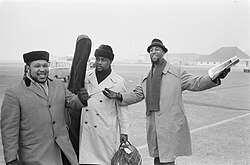
The development of soul jazz was accelerated by the Black Power movement, as African American musicians sought to reconnect with their African roots. This cultural shift manifested in compositions like "Mercy, Mercy, Mercy" and "Let My People Go," which served as direct references to the struggle for civil rights. This period was marked by an "irrepressible exuberance" and a desire to make jazz more accessible to Black audiences.
Stanley Turrentine was another towering figure of this era, recording soulful albums such as Never Let Me Go. Turrentine often lamented the lack of jazz exposure on mainstream radio, believing that soul jazz would have reached even larger audiences if it had received the same promotion as rock music.
Pushing Boundaries: From Bop to Funk
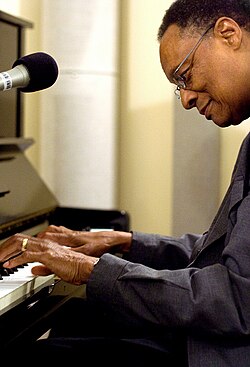
As the 1960s progressed, musicians began experimenting with music theory and Latin influences. Herbie Hancock's Takin' Off, featuring the hit "Watermelon Man," pushed the boundaries of hard bop with spare, funky piano riffing. This commercial success led to jazz compositions being used in television commercials for brands like Chrysler and Fabergé.
While some artists like Lee Morgan and Hank Mobley wavered between hard bop and soul jazz, others, like Jack McDuff, leaned heavily into a groove-centric, bluesy style. This era produced some of the most enduring recordings in jazz history, including Ramsey Lewis's "The 'In' Crowd" and the million-selling Swiss Movement by Les McCann and Eddie Harris.
Transition to Fusion and Legacy
By the late 1960s, soul jazz began to merge into jazz fusion. Some artists, such as Eddie Harris, experimented with the electric saxophone and electronic effects, while others moved toward the CTI label, which shifted the sound toward a more polished, "background music" style that eventually informed smooth jazz.
The legacy of soul jazz persists in the way it integrated the spiritual and emotional depth of the Black church and the blues into the technical framework of jazz, ensuring the music remained connected to the people and the culture from which it sprang.
| Category | Details |
|---|---|
| Primary Instruments | Hammond organ, saxophone, trumpet, electric guitar, drums, bass |
| Key Artists | Jimmy Smith, Cannonball Adderley, Stanley Turrentine, Herbie Hancock, Horace Silver |
| Defining Tracks | "Mercy, Mercy, Mercy", "The Sidewinder", "Watermelon Man", "Compared to What" |
| Stylistic Roots | Hard bop, Gospel, Soul, Rhythm and Blues |
| Evolutionary Path | Hard Bop → Soul Jazz → Jazz Fusion → Smooth Jazz |
Frequently Asked Questions
What is the difference between soul jazz and hard bop?
While soul jazz is an outgrowth of hard bop, it is more specifically characterized by an "earthy" melodic concept, repetitive dance-like rhythms, and a stronger emphasis on gospel and soul influences compared to the more complex structures of traditional hard bop.
Why is the Hammond organ so important to soul jazz?
The Hammond organ provided a rich, full sound that could mimic the feeling of a church organ or a soulful choir, making it the perfect instrument to convey the "spirit" and "down-home" feel central to the genre.
How did the Black Power movement influence soul jazz?
The movement encouraged African American musicians to return to their African roots and express their cultural identity. This led to the creation of music that directly referenced civil rights struggles and embraced a more exuberant, soulful sound.
Which soul jazz albums are considered essential listening?
Essential recordings include Jimmy Smith's Back at the Chicken Shack, Lee Morgan's The Sidewinder, and the hit album Swiss Movement by Les McCann and Eddie Harris.
Did soul jazz lead to other genres?
Yes, soul jazz was a primary influence on the development of jazz-funk and jazz fusion in the late 1960s and 1970s, and it eventually contributed to the rise of smooth jazz.