Smilodon: The Apex Predator of the Pleistocene
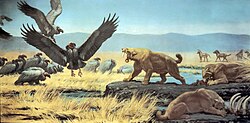
Among the most iconic creatures of the prehistoric world, Smilodon stands as the quintessential saber-toothed cat. A member of the extinct subfamily Machairodontinae, this powerful felid dominated the landscapes of North and South America from the Early Pleistocene to the Early Holocene, roughly 2.5 million to 8,200 years ago.
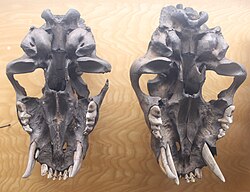
Unlike modern cats, Smilodon was built for raw power and precision. Its most striking feature—the elongated upper canine teeth—was not merely for show but was a specialized tool for bringing down the massive herbivores of the Ice Age. From the smaller S. gracilis to the behemoth S. populator, these cats represented a peak in predatory evolution.
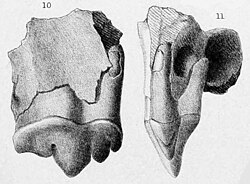
Key Facts
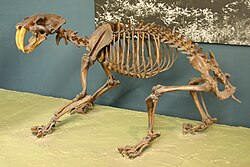
- Temporal Range: 2.5 million to 8,200 years ago (Early Pleistocene to Early Holocene).
- Defining Feature: Exceptionally long, slender upper canine teeth adapted for precision killing.
- Largest Species: Smilodon populator, weighing up to 470 kg (1,040 lb).
- Distribution: Primarily North America, with significant presence in South America.
- Build: More robust than any living cat, featuring highly developed forelimbs for grappling prey.
Species and Diversity
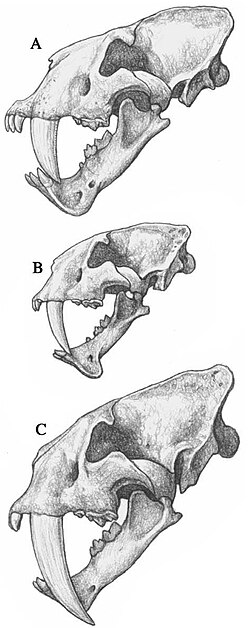
The genus Smilodon comprised three primary species, each varying in size and distribution. The earliest and smallest was Smilodon gracilis, weighing between 55 and 100 kg. This was followed by the well-known Smilodon fatalis, a mid-sized predator weighing 160 to 280 kg, with a body length of approximately 175 cm.
The largest of the trio was Smilodon populator, native to South America. This massive felid reached weights of 220 to 470 kg and stood 120 cm tall, making it one of the largest cats to ever walk the Earth.
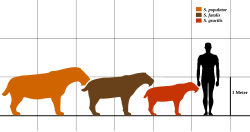
| Species | Weight Range | Primary Region | Relative Size |
|---|---|---|---|
| S. gracilis | 55–100 kg | North America | Smallest |
| S. fatalis | 160–280 kg | North America | Medium |
| S. populator | 220–470 kg | South America | Largest |
Anatomy and Physical Adaptations
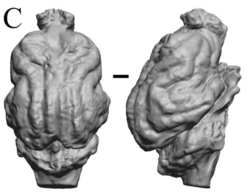
The Saber Teeth and Jaw
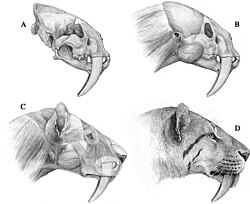
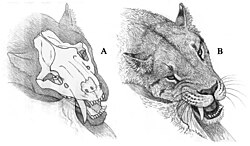
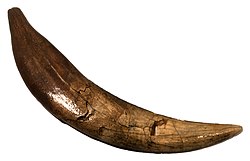
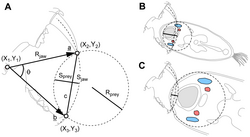
The hallmark of Smilodon was its elongated upper canines. These teeth were relatively fragile and slender, meaning they could not be used for chewing bone without risking breakage. To accommodate these teeth, Smilodon evolved a gape (the maximum opening of the mouth) significantly larger than that of modern felids.
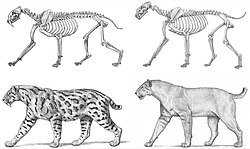
Musculature and Build
Smilodon was far more robust than any extant cat. It possessed exceptionally powerful forelimbs, which were essential for pinning down large prey to prevent them from struggling and potentially snapping the cat's fragile canines. This physical build suggests a hunting style based on ambush and grappling rather than long-distance chasing.
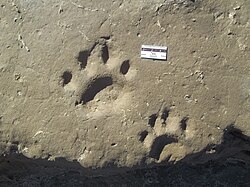
Paleobiology and Hunting Behavior
Bite Mechanics
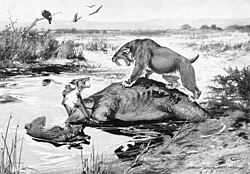
Research into the skull and jaw suggests a specialized killing bite. Rather than the prolonged suffocating bite used by modern lions, Smilodon likely used its powerful forelimbs to immobilize prey before delivering a precision strike to the soft tissues of the throat or belly, causing rapid death through massive blood loss.
Diet and Prey
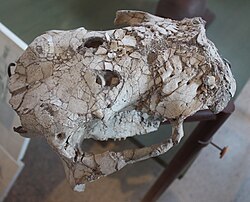
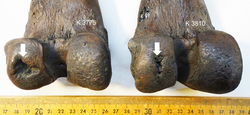
Smilodon targeted the megafauna of its time. Evidence from bite marks on fossils, such as those found on Glyptotherium (a giant armored armadillo), confirms its role as a top predator. In South America, S. populator likely hunted Palaeolama major (an extinct llama) and other large herbivores.
Social Structure
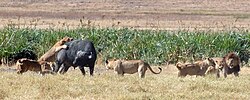
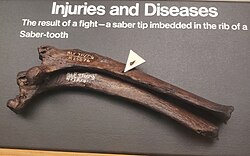
Some paleontologists suggest that Smilodon may have been social. Evidence from natural traps like the La Brea Tar Pits, where many individuals are found together, and the presence of healed injuries that would have required care from others, suggests the possibility of pride-like social structures similar to modern lions.
Distribution and Extinction
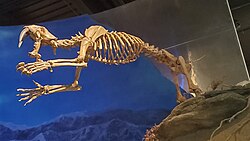
Smilodon is a key example of the Great American Interchange, the period when animals migrated between North and South America. While S. fatalis is most famous from North American sites, S. populator dominated the southern continent.
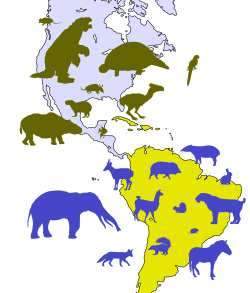
The extinction of Smilodon occurred during the Late Pleistocene extinctions. The loss of the massive herbivores they relied upon for food, combined with changing climates, likely led to their disappearance approximately 8,200 years ago.

Frequently Asked Questions



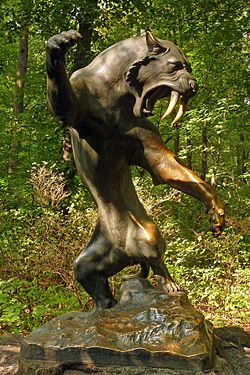
Were Smilodon's teeth used for chewing?
No. Their long canines were specialized for killing and were too fragile for chewing bone. They used their carnassial teeth (specialized shearing teeth) for processing meat.
How did Smilodon differ from a modern lion?
Smilodon was much more robustly built, with significantly stronger forelimbs and a larger gape to accommodate its saber-like canine teeth.
Did Smilodon live in South America?
Yes. Smilodon populator was the largest species of the genus and was native to South America, where it was one of the apex predators.
How did Smilodon kill its prey?
It likely used its powerful front legs to pin prey to the ground and then delivered a precise, lethal bite to the throat or soft underbelly.
Why did Smilodon go extinct?
Their extinction is generally attributed to the disappearance of the megafauna they hunted and the environmental shifts occurring at the end of the Pleistocene epoch.