Sir Redvers Buller: The Gallant and Controversial Life of a Victorian General
General Sir Redvers Buller was a figure of stark contrasts in the annals of the British Army. A recipient of the Victoria Cross—the highest award for gallantry in the British and Commonwealth forces—he was simultaneously celebrated as a hero of immense personal courage and criticized as a flawed strategist. From the rugged terrains of the Zulu War to the grueling campaigns of the Second Boer War, Buller's career mirrored the complexities of the British Empire at its zenith.
Born into a family of significant standing in Devon, Buller's life was defined by a relentless drive for duty, a series of high-profile military commands, and a dramatic fall from grace that saw him dismissed from service under a cloud of political tension.
![Arms of Buller: Sable, on a cross argent quarter pierced of the field four eagles displayed of the first[1]](/images/16/60/1660f5698c6b253a1f0a556859c0db06c3171dca324b8e847ce5eb232d0c785b.png)
Key Facts
- Full Name: Sir Redvers Henry Buller, VC, GCB, GCMG.
- Born: 7 December 1839, Crediton, Devon.
- Died: 2 June 1908, Crediton, Devon.
- Highest Rank: General.
- Primary Unit: King's Royal Rifle Corps.
- Major Honors: Victoria Cross, Knight Grand Cross of the Order of the Bath, Knight Grand Cross of the Order of St Michael and St George.
Origins and Early Military Career
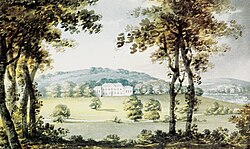
Redvers Buller was born at the family estate of Downes near Crediton, Devon. He was the second son of James Wentworth Buller, an MP for Exeter, and Charlotte Juliana Jane Howard-Molyneux-Howard. The Bullers were an established Cornish family who eventually expanded their holdings across Devon and Cornwall.
After attending Eton, Buller entered the military in May 1858 by purchasing a commission in the 60th Rifles. His early career was marked by diverse global deployments, including service in the Second Opium War and the Canadian Red River Expedition of 1870. By 1874, he served as an intelligence officer during the Ashanti campaign, where he was wounded at the Battle of Ordabai and subsequently promoted to major.
The Zulu War and the Victoria Cross
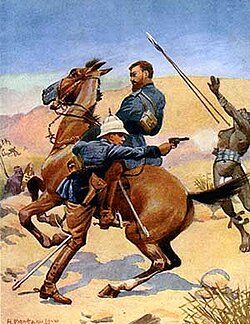
Buller's reputation for bravery was cemented during the 9th Cape Frontier War (1878) and the Anglo-Zulu War (1879). Commanding the mounted infantry of the northern British column, Buller faced a devastating defeat at the Battle of Hlobane in March 1879. It was during this retreat that he performed the acts of valor that earned him the Victoria Cross.
According to his citation, Buller rescued Captain C. D'Arcy, Lieutenant C. Everitt, and a trooper of the Frontier Light Horse, carrying them to safety while under heavy pursuit by Zulu forces. His courage was further demonstrated at the Battle of Kambula and the decisive Battle of Ulundi, the latter of which effectively ended the war.
Rise Through the Ranks
Following the Zulu War, Buller's ascent within the British Army continued. He served as chief of staff during the First Boer War (1881) and headed intelligence during the Anglo-Egyptian War. In 1882, he married Lady Audrey Jane Charlotte Townshend, the daughter of the 4th Marquess Townshend.
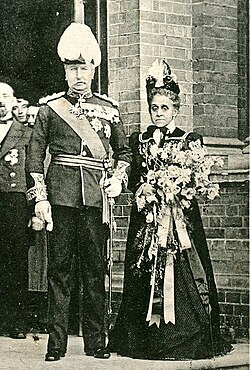
His subsequent assignments included commanding an infantry brigade in the Sudan, fighting at the battles of El Teb and Tamai, and participating in the Nile Expedition to relieve General Gordon in 1885. By 1891, he had reached the rank of Lieutenant General, serving as Adjutant-General to the Forces. He was promoted to full General on 24 June 1896.
The Second Boer War: Triumph and Turmoil
In 1899, Buller was appointed commander of the Natal Field Force at the outbreak of the Second Boer War. This period proved to be the most contentious of his career. He suffered a series of early defeats, most notably at the Battle of Colenso during the infamous "Black Week." These failures led to him being replaced as overall commander in South Africa by Lord Roberts in January 1900, earning him the mocking nickname "Reverse Buller" among some troops.
Despite these setbacks, Buller eventually achieved success. He lifted the siege of Ladysmith on 28 February 1900 after victory at the Battle of the Tugela Heights and later successfully flanked Boer armies at Biggarsberg, Laing's Nek, and Lydenburg. He also correctly predicted the Boers' shift toward guerrilla warfare.
![1905 bronze Equestrian statue of Sir Redvers Buller in Exeter, by Adrian Jones[19]](/images/7d/d2/7dd2bfcd4ff2416e6d30f0dce1ba7c6e701541d7603503dfd1c084cfa5b03320.jpg)
The Fall from Grace
Upon returning to England in November 1900, Buller was initially greeted as a hero. However, his relationship with the Unionist government soured. In October 1901, following a public dispute with journalist Leo Amery, the Secretary of State for War, St. John Brodrick, and Lord Roberts demanded his resignation. When Buller refused, he was summarily dismissed on half pay on 22 October 1901, denied both a court martial and an appeal to the King.
Later Life and Legacy
Buller spent his retirement in the West Country, where he remained a popular figure. In 1905, a bronze equestrian statue was erected in his honor in Exeter. He later served as the Principal Warden of the Goldsmiths' Company from 1907 until his death.
Historians remain divided on his legacy. While some, like Richard Holmes, view him as a "bad joke of Victorian military history," others argue that Buller was a pioneer of modern warfare. General Hippolyte Langlois noted that Buller's use of cover, infantry rushes, and creeping artillery barrages in Natal were innovative tactics that countered Boer strategies.
Sir Redvers Buller died on 2 June 1908 at Downes House and is buried in Holy Cross Churchyard, Crediton.
Summary of Service and Honors
| Category | Details |
|---|---|
| Primary Conflict Honors | Second Opium War, Ashanti Campaign, Anglo-Zulu War, First & Second Boer Wars, Anglo-Egyptian War |
| Key Awards | Victoria Cross (VC), GCB, GCMG |
| Highest Rank | General |
| Key Commands | Natal Field Force, Aldershot Command, Adjutant-General to the Forces |
| Family Estate | Downes, Crediton, Devon |
Frequently Asked Questions
Why was Sir Redvers Buller awarded the Victoria Cross?
He received the VC for his gallantry during the retreat at the Battle of Hlobane on 28 March 1879, where he rescued three men—including two officers—from the Zulu forces, carrying them to safety on his horse.
What was the "Reverse Buller" nickname?
The nickname was coined by troops during the Second Boer War following a series of early defeats and setbacks, particularly at the Battle of Colenso, which led to questions about his strategic abilities.
Why was Buller dismissed from the army in 1901?
He was dismissed on half pay after a public disagreement with a journalist from The Times. The Secretary of State for War and Lord Roberts used this breach of military discipline as grounds to remove him from service.
What is the historical significance of Buller's tactics in Natal?
Some historians argue that Buller was an innovator in modern warfare, introducing the use of creeping artillery barrages and infantry advancing in rushes to counter the effective tactics of the Boer fighters.
Where can visitors find memorials to Sir Redvers Buller today?
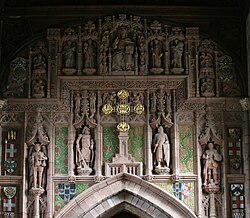
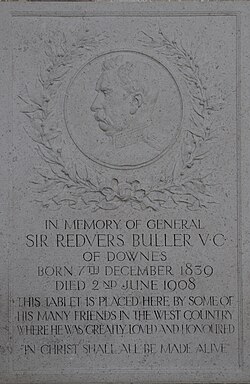
Notable memorials include an equestrian statue in Exeter, an elaborate monument in Holy Cross Church in Crediton, and a memorial in Exeter Cathedral.