Sir Claude Auchinleck: The Architect of the British Indian Army
Field Marshal Sir Claude Auchinleck was a pivotal figure in 20th-century military history, serving as a bridge between the British and Indian military establishments. A career soldier who spent the vast majority of his service in India, Auchinleck rose through the ranks to become one of the most influential commanders of both World War I and World War II. Known by the nickname "The Auk," his career was defined by high-stakes commands across the Middle East and Asia, as well as the complex geopolitical transition of the Indian subcontinent.
Auchinleck is perhaps best remembered for his dual legacy: the challenges he faced in the North African desert and his indispensable role in organizing the logistics and training that powered the Allied victory in Burma.
Key Facts
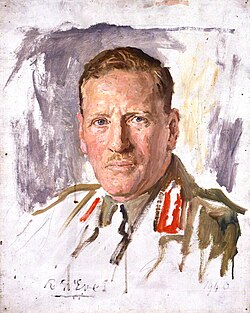
- Full Name: Claude John Eyre Auchinleck
- Highest Rank: Field Marshal
- Primary Allegiance: United Kingdom (British Indian Army)
- Major Commands: Commander-in-Chief, India; Commander-in-Chief, Middle East Command; Supreme Commander India and Pakistan.
- Key Conflicts: First World War (Mesopotamia) and Second World War (Norway, North Africa, India).
- Lifespan: 21 June 1884 – 23 March 1981.
Early Life and the First World War
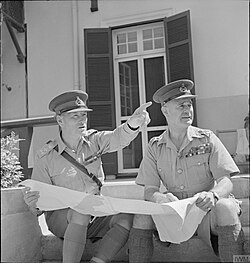
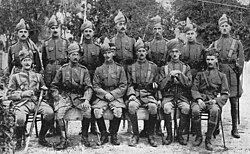
Born in Aldershot, Hampshire, Auchinleck began his military journey in 1904. His early career was deeply rooted in the East, with postings in Tibet, Sikkim, and Benares. By 1912, he had become the adjutant of the 62nd Punjabis, a unit that would define much of his early professional identity.
During the First World War, Auchinleck was deployed to defend the Suez Canal, seeing action at Ismailia in 1915. He later transitioned to the Mesopotamian campaign (the conflict in modern-day Iraq), where he survived the brutal Battle of Hanna in 1916. His leadership during the Second Battle of Kut and the Fall of Baghdad in 1917 earned him the Distinguished Service Order and rapid promotion to lieutenant-colonel by 1919.
The Interwar Years and Army Modernization
Between the world wars, Auchinleck focused on professional development and strategic planning. After attending the Imperial Defence College, he commanded the Peshawar Brigade, where he led punitive expeditions during the Mohmand and Bajaur Operations in the early 1930s.
One of his most lasting contributions occurred in 1938, when he chaired a committee tasked with the modernization and re-equipment of the British Indian Army. This work culminated in the 1939 Chatfield Report, which provided the blueprint for the army's massive expansion—growing from 183,000 men in 1939 to over 2.25 million by the end of the Second World War.
World War II: From Norway to North Africa
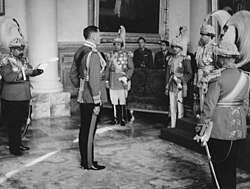
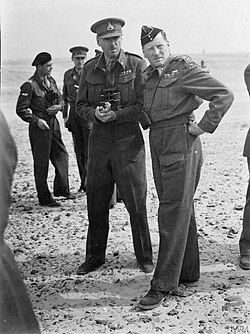
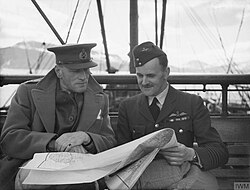
At the start of World War II, Auchinleck held several high-profile commands. In 1940, he led IV Corps—the only wholly British corps commanded by an Indian Army officer during the war—and later took command of Anglo-French ground forces during the Norwegian campaign.
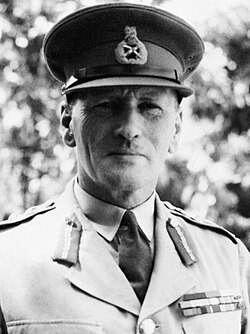
In July 1941, he was appointed Commander-in-Chief of the Middle East Theatre. This period was marked by intense pressure and political friction. Auchinleck faced constant interference from Prime Minister Winston Churchill, who demanded aggressive offensives despite the precarious military situation in Egypt and Cyrenaica. Following the first battle of El Alamein, the lack of confidence from Churchill and Sir Alan Brooke led to Auchinleck's removal from the post in August 1942.
Return to India and the Path to Victory
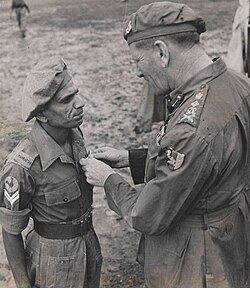
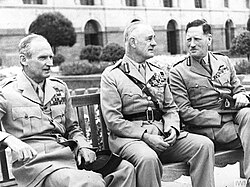
After a period of unemployment, Auchinleck returned to his strengths in June 1943 when he was re-appointed Commander-in-Chief, India. In this role, he became the logistical backbone for General William Slim's Fourteenth Army. By organizing the essential supply lines, maintenance, and training, Auchinleck ensured the success of the campaign against Japanese forces in Burma.
Personal Turmoil
Despite his professional success, Auchinleck's personal life suffered a devastating blow. His wife, Jessie, left him for his friend and colleague, Air Chief Marshal Sir Richard Peirse. The scandal became public knowledge in 1944, leading to a divorce in 1946. Those close to him noted that he was never the same after the separation, though he reportedly carried a photograph of Jessie until the end of his life.
The Partition and Final Years
As the British Empire withdrew from India, Auchinleck played a critical role in the transition. He served as the last Commander-in-Chief of British India and subsequently as the Supreme Commander of all British forces in the newly created nations of India and Pakistan from 1947 to 1948.
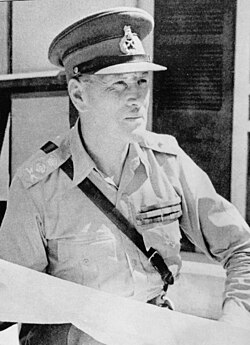
Auchinleck retired from service in 1947, having reached the rank of Field Marshal. He lived to the age of 96, passing away in Marrakesh, Morocco, in 1981.
Summary of Service and Honors
| Category | Details |
|---|---|
| Service Years | 1904–1947 |
| Key Units | 62nd Punjabis, 1st Punjab Regiment |
| Major Awards | GCB, GCIE, CSI, DSO, OBE |
| International Honors | Legion of Merit (USA), Virtuti Militari (Poland), Order of the Star of Nepal |
| Final Rank | Field Marshal |
Frequently Asked Questions
Why was Auchinleck removed from the Middle East Command?
He was relieved of his post in August 1942 after losing the confidence of Prime Minister Winston Churchill and the Chief of the Imperial General Staff, Sir Alan Brooke, primarily due to the military reverses in North Africa and Churchill's desire for a more aggressive offensive.
What was Auchinleck's contribution to the victory in Burma?
As Commander-in-Chief, India, he was responsible for the organization of supply, maintenance, and training for General William Slim's Fourteenth Army, which was essential for their operational success.
How did Auchinleck influence the size of the Indian Army?
He chaired the committee that led to the 1939 Chatfield Report. His recommendations for modernization and re-equipment helped the Indian Army grow from 183,000 men in 1939 to over 2.25 million by the end of World War II.
What role did he play during the Partition of India?
He served as the last Commander-in-Chief of British India and then as the Supreme Commander of British forces in both India and Pakistan from 1947 until late 1948.
Which major conflicts did Sir Claude Auchinleck fight in?
He saw active service in the First World War (specifically the Mesopotamian campaign) and the Second World War (including the Norwegian and North African campaigns).