Silk Road: The Ancient Network of Global Trade and Cultural Exchange
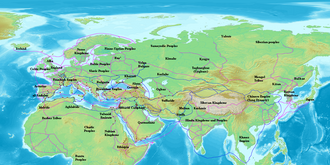
The Silk Road was not a single paved highway, but a vast, shifting network of overland and maritime trade routes that connected the East and West for over two millennia. Spanning from approximately 114 BCE to 1450 CE, these corridors facilitated the exchange of luxury goods, scientific knowledge, and religious beliefs between China, Central Asia, India, Persia, Arabia, and the Mediterranean world.
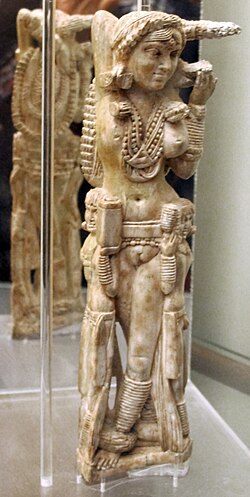
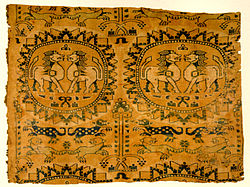
While silk—a prized textile produced exclusively in China for centuries—gave the network its name, the routes carried far more than fabric. They served as the primary arteries for the movement of spices, precious metals, glass, and ideas, fundamentally shaping the civilizations of Eurasia and Africa.
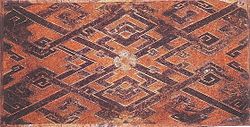
Key Facts
![Soldier with a centaur in the Sampul tapestry,[60] wool wall hanging, 3rd–2nd century BCE, Xinjiang Museum, Urumqi, Xinjiang, China.](/images/30/6a/306ae651481bf153c3bcfe889456a25f4807d8bee9c42762d4b3a336c2bfe670.jpg)
- Time Period: Active from roughly 114 BCE to 1450 CE.
- UNESCO Status: Includes the Chang'an-Tianshan Corridor (designated 2014) and the Zarafshan-Karakum Corridor (designated 2023).
- Primary Routes: Comprised of Northern, Southern, Southwestern, and Maritime paths.
- Major Goods: Silk, jade, glass, spices, and precious metals.
- Cultural Impact: Facilitated the spread of Buddhism, Christianity, and Judaism across Asia.
The Geography of the Routes
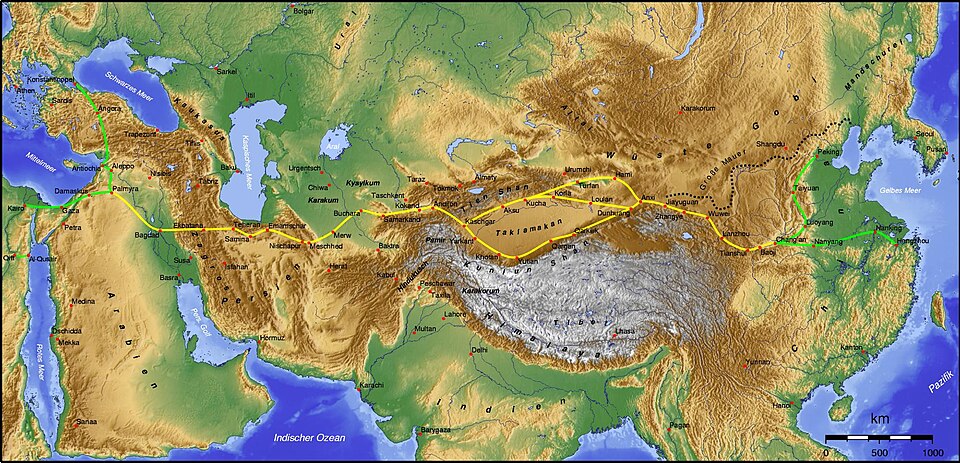
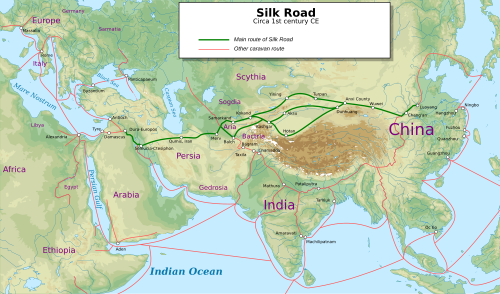
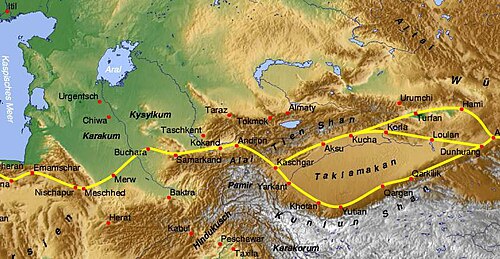
The Silk Road was divided into several distinct corridors, each serving different geopolitical and environmental needs.
Overland Corridors
The overland routes began in the Chinese capital of Chang'an, branching into the Northern route and the Southern route to bypass the formidable deserts and mountains of Central Asia. Additionally, a Southwestern route connected China to India and Southeast Asia, facilitating the movement of goods and spiritual teachings.
The Maritime Silk Road
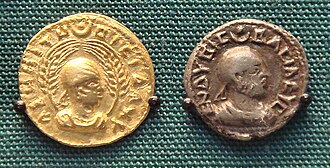
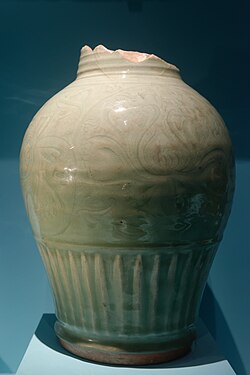
Complementing the land routes was the Maritime Silk Road, a sea-based network that linked Southeast Asia, the Indian Ocean, and the Horn of Africa. This route was essential for transporting bulkier goods that were too heavy for camel caravans, such as ceramics and spices.
![Austronesian proto-historic and historic (Maritime Silk Road) maritime trade network in Southeast Asia and the Indian Ocean[35]](/images/36/a8/36a8e085e0dc2d35791e880a9a2ca609b2e57b1585516110dc3ed2fd4f7a429f.png)
Historical Evolution
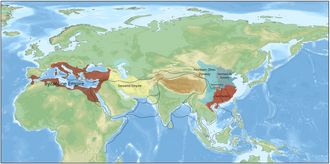
The development of the Silk Road occurred in waves, often coinciding with the rise and fall of great empires.
Early Origins and the Han Dynasty
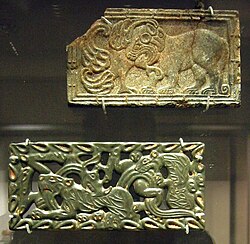
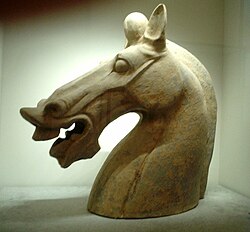
While contacts between China and Central Asia existed in the 2nd millennium BCE, the formal initiation of the Silk Road is often dated to 130 BCE during the Han Dynasty. During this era, China sought stronger alliances and better horses from the steppes, leading to increased trade in silk and jade.
The Classical Era: Rome and Byzantium
By the 1st century CE, the Roman Empire became a major consumer of Chinese silk, creating a demand that stretched across the known world. Later, the Byzantine Empire (6th–14th centuries) continued this legacy, maintaining diplomatic and trade ties with the East.
The Golden Age of the Tang and the Sogdians
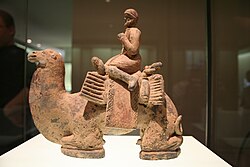
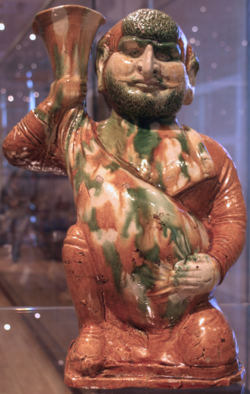
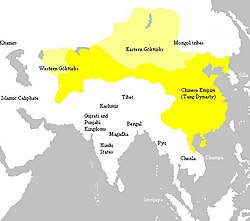
The Tang Dynasty (7th century) marked a peak in Silk Road activity. The Sogdians, an Eastern Iranian people, acted as the primary middlemen of this era, managing the caravans and establishing trading colonies across Central Asia.
The Mongol Empire and Decline
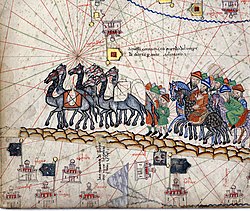
In the 13th and 14th centuries, the Mongol Empire unified a vast portion of the route under a single political authority, a period often called the Pax Mongolica. This stability allowed travelers like Marco Polo to traverse the continent with unprecedented ease. However, by the 15th century, the rise of oceanic exploration and shifting political landscapes led to the gradual decline of the overland routes.
Cultural and Religious Transmission
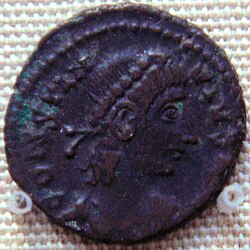
![Coin of Constans II (r. 641–648), who is named in Chinese sources as the first of several Byzantine emperors to send embassies to the Chinese Tang dynasty[76]](/images/42/e7/42e742197b7bab24dd22afa0eafbd4e3fb87d88e81f9f98d7e0dd5197d3e08ae.jpg)
The Silk Road was as much a highway for faith as it was for finance. The movement of people led to the widespread adoption of new belief systems.
The Spread of Buddhism
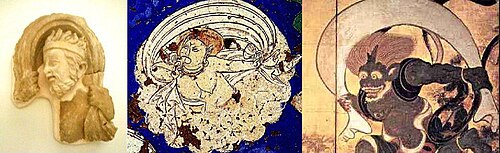
Buddhism traveled from India into China during the Kushan era via both land and sea. This created a "great circle of Buddhism," where art and philosophy evolved as they moved from the Greek-influenced regions of Gandhara to the temples of Japan.
![The Silk Road transmission of Buddhism: Mahayana Buddhism first entered the Chinese Empire (Han dynasty) during the Kushan era. The overland and maritime "Silk Roads" were interlinked and complementary, forming what scholars have called the "great circle of Buddhism."[141]](/images/fe/6f/fe6f594908b9f041ac3da8d07e5563bfca4c9b0d9ae63c5c328723a9b7e96fd8.webp)
Christianity and Judaism
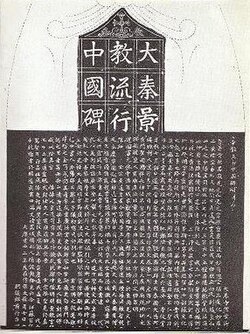
Nestorian Christianity reached China by the 8th century, as documented on the Nestorian Stele. Similarly, Jewish communities established themselves along the trade routes, creating a diverse tapestry of religious coexistence in trading hubs.
Summary of Silk Road Networks
| Route Type | Key Regions | Primary Goods/Contributions | Notable Influence |
|---|---|---|---|
| Northern/Southern | China, Central Asia, Persia | Silk, Jade, Horses, Glass | Sogdian Trade, Buddhism |
| Southwestern | China, India, SE Asia | Spices, Gems, Textiles | Religious Exchange |
| Maritime | SE Asia, Indian Ocean, Africa | Ceramics, Spices, Ivory | Austronesian Networks |
Frequently Asked Questions
![One of many remaining Safavid Empire Caravanserais in Iran. This particular caravanserai is located in the city of Nishapur which was one of the central Silk Road cities[132] of Greater Khorasan.](/images/ca/2d/ca2d2ace0ff9b048205dd5ee1ef1f2f283ca9bb9d85aec729046f7b2fa8cc98a.jpg)
What was the primary purpose of the Silk Road?
While it began as a means for the Han Dynasty to secure alliances and horses, it evolved into a global network for trading luxury goods—most notably silk—and exchanging cultural, religious, and technological innovations.
Who were the Sogdians?
The Sogdians were an Eastern Iranian people who served as the essential intermediaries and merchants of the Silk Road, particularly between the 4th and 8th centuries, facilitating trade between China and the West.
How did Buddhism spread via the Silk Road?
Buddhism moved from India into China and East Asia through the movement of monks and merchants. This transmission occurred via both overland routes through Central Asia and maritime routes through Southeast Asia.
Why did the Silk Road eventually decline?
The decline in the 15th century was driven by the rise of direct maritime trade routes to Asia, which were faster and safer than overland travel, as well as the fragmentation of the Mongol Empire.
Is the Silk Road a UNESCO World Heritage site?
Yes, several sections are recognized, including the Chang'an-Tianshan Corridor (designated in 2014) and the Zarafshan-Karakum Corridor (designated in 2023).