Shatila Refugee Camp
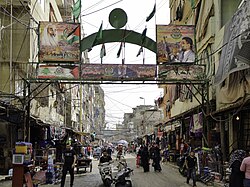
Located in southern Beirut, Lebanon, the Shatila refugee camp (also known as Chatila) is a settlement established to provide sanctuary for those displaced by conflict. Originally founded in 1949, the camp has evolved from a Palestinian refugee settlement into a complex urban environment that now supports multiple displaced populations.
The camp serves as a critical hub for registered Palestine refugees, though its demographics have shifted significantly over the decades due to regional instability.
Key Facts
- Established: 1949 by the International Committee of the Red Cross.
- Location: Southern Beirut, Lebanon.
- Registered Population: Over 9,842 Palestine refugees.
- Estimated Total Population: Between 10,000 and 22,000 (as of 2014).
- Area: Approximately one square kilometer.
- Primary Services: Managed by UNRWA and various international NGOs.
Historical Origins and Establishment
Shatila was created by the International Committee of the Red Cross to accommodate hundreds of refugees arriving after 1948. These early residents primarily originated from northern Palestine, specifically from the villages of Amka, Majd al-Krum, and Yajur.
The Impact of Regional Conflicts
The Lebanese Civil War
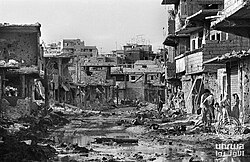
The camp is most widely remembered for the Sabra and Shatila massacre, a period of extreme violence during the Lebanese Civil War. Between 6:00 pm on September 16 and 8:00 am on September 18, 1982, the Lebanese Forces carried out the slaughter of between 1,300 and 3,500 civilians. The victims were predominantly Palestinians and Lebanese Shiites located in the Shatila camp and the adjacent Sabra neighborhood.
The Syrian Civil War
The eruption of the Syrian Civil War in 2011 brought a new wave of displacement to Lebanon, which saw its population increase by more than 1 million Syrian refugees. Shatila became a destination for many of the most impoverished Syrian refugees, causing the camp's population to swell. By 2014, estimates placed the total number of residents between 10,000 and 22,000.
Camp Management and Infrastructure
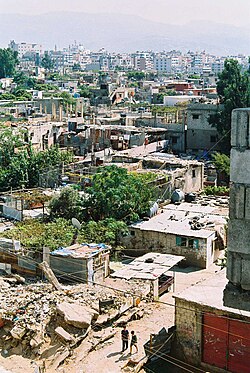
Due to its small size of approximately one square kilometer, Shatila is characterized by an exceptionally high population density. To manage the needs of its residents, several international organizations provide essential services.
The UNRWA (United Nations Relief and Works Agency for Palestine Refugees in the Near East) operates two primary schools and one health center within the camp. Additionally, various non-governmental organizations (NGOs) provide critical support, including:
- Doctors Without Borders
- The Palestinian Red Crescent Society
- Norwegian Peoples' Aid
- Al-Najda and Association Najdeh
- Beit Atfal Al-Soumoud
| Category | Details |
|---|---|
| Founding Year | 1949 |
| Primary Resident Groups | Palestinian and Syrian refugees |
| Land Area | ~1 square kilometer |
| Key Service Provider | UNRWA |
| Registered Palestinians | 9,842+ |
Frequently Asked Questions
When was the Shatila refugee camp established?
The camp was set up in 1949 by the International Committee of the Red Cross to house refugees from northern Palestine.
What happened during the Sabra and Shatila massacre?
Between September 16 and 18, 1982, the Lebanese Forces killed between 1,300 and 3,500 civilians, mostly Lebanese Shiites and Palestinians, in the Shatila camp and Sabra neighborhood.
How has the Syrian Civil War affected the camp?
Since 2011, the camp has received a large number of poor Syrian refugees, increasing the estimated population to between 10,000 and 22,000 by 2014.
Who provides healthcare and education in Shatila?
UNRWA operates one health center and two primary schools, while various NGOs like Doctors Without Borders and the Palestinian Red Crescent Society provide additional aid.
How dense is the population in the camp?
The camp is exceptionally dense, housing thousands of residents within an area of approximately one square kilometer.