Sgt. Pepper's Lonely Hearts Club Band: A Musical and Cultural Analysis
Released during the height of the 1960s cultural revolution, Sgt. Pepper's Lonely Hearts Club Band remains one of the most analyzed works in music history. While some musicologists, such as Allan Moore, categorize it primarily as rock and pop, others like Michael Hannan and Naphtali Wagner view it as a tapestry of diverse genres. From vaudeville and big band to Indian classical music and the avant-garde, the album represents what Wagner calls a "psycheclassical synthesis," blending the structured ideals of classical music with the fluid nature of psychedelia.
Beyond the notes, the album is often viewed as a historical snapshot of England leading up to the Summer of Love. While the band members sought to move beyond the drug-centric tropes of the era, contemporary listeners and critics frequently associated the lyrics with LSD and cannabis culture. This tension between artistic intent and public perception defines much of the album's legacy.

Key Facts
- Genre Fusion: Incorporates rock and roll, blues, chamber music, circus, and Western and Indian classical styles.
- Proto-Progressive: Described by musicologist John Covach as a precursor to the progressive rock movement.
- Cultural Impact: Viewed as an embodiment of the social and cultural shifts of the 1960s.
- Technical Innovation: Utilized sound collages, varispeeding, and aleatoric orchestral crescendos.
- Thematic Core: Explores themes of alienation, the loss of innocence, and the contrast between fantasy and mundane reality.
Musical Breakdown: Side One
Sgt. Pepper's Lonely Hearts Club Band
The album opens with a simulated live experience, featuring the sounds of a pit orchestra warming up. Paul McCartney acts as the master of ceremonies, introducing a fictional band. This framing device creates a distance between the Beatles and their audience, allowing them to perform as alter egos.
With a Little Help from My Friends
Transitioning via recorded screams from the Hollywood Bowl, this track features Ringo Starr on lead vocals. The song employs a call-and-response style to explore themes of friendship and inclusivity, utilizing a major key double-plagal cadence that later became a staple in pop music.
Lucy in the Sky with Diamonds
Despite persistent rumors that the title was a code for LSD, John Lennon maintained it was inspired by a drawing by his son, Julian. The song's hallucinatory atmosphere is heavily influenced by Lewis Carroll's Through the Looking-Glass.
Getting Better
This track is noted for its driving rock sound and ebullient performance. It serves as a collaborative showcase between Lennon and McCartney, blending optimistic choruses with sarcastic rejoinders and confessional lyrics about personal growth.
She's Leaving Home
Addressing the generation gap and alienation, this narrative piece describes a young woman running away from home. Notably, it is the first track on the album to omit guitars and drums, relying instead on a harp and a string nonet.
Being for the Benefit of Mr. Kite!
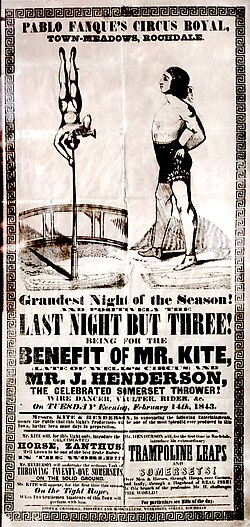
Inspired by an 1843 circus poster for Pablo Fanque, this song is a sonic collage of harmoniums, harmonicas, and calliopes designed to evoke the smell of sawdust. It reinforces the album's recurring themes of show business and Edwardian imagery.
Musical Breakdown: Side Two
Within You Without You
George Harrison's composition is a significant departure from the standard Beatles sound, rejecting Western materialism in favor of Eastern philosophy. It is often cited as the "ethical soul" of the album.
When I'm Sixty-Four
Drawing from the English music hall style of George Formby, this track uses clarinets and piano to create a ragtime-pop synthesis. The recording used varispeeding to raise the pitch of McCartney's voice, making him sound younger.
Lovely Rita
A celebration of "Swinging London," this track is a satire on authority featuring a quartet of comb-and-paper kazoos. It is described as one of the most extroverted and rock-and-roll-spirited songs on the record.
Good Morning Good Morning
Inspired by a Kellogg's Corn Flakes commercial, this track uses the Mixolydian mode and varying time signatures (5/4, 3/4, and 4/4) to express frustration with suburban complacency. It concludes with a sequence of animal noises.
Sgt. Pepper's Lonely Hearts Club Band (Reprise)
This faster, hard-rocking version of the title track serves as a bridge to the finale. It is one of the few tracks where the group recorded a basic track live with their standard stage instruments.
A Day in the Life
The album's climax blends Lennon's observations of mundane life and tragedy with McCartney's upbeat bridge. It features two aleatoric orchestral crescendos—unstructured musical builds—and ends with a massive E major chord played on three pianos and a harmonium. The track concludes with a 15-kilohertz tone and a looping run-out groove of laughter and gibberish.
The Concept and Unity of the Album
Whether Sgt. Pepper is a true "concept album" is a subject of debate. Lennon and Starr suggested that only the title tracks and the reprise were conceptually linked. However, others argue that a "narrative unity" exists through common harmonic patterns and falling melodies.
Many scholars point to a recurring "Liverpool childhood" theme. This is evident in the music hall influences, the use of brass band instrumentation, and references to Northern industrial towns, suggesting that the album is rooted in the creators' shared upbringing.
| Song Title | Primary Influence/Style | Key Technical/Thematic Element |
|---|---|---|
| Sgt. Pepper's Lonely Hearts Club Band | Live Performance/Vaudeville | Framing device/Alter egos |
| Lucy in the Sky with Diamonds | Psychedelia/Lewis Carroll | Hallucinatory atmosphere |
| She's Leaving Home | Chamber Music | Generation gap/Alienation |
| Within You Without You | Indian Classical | Rejection of materialism |
| When I'm Sixty-Four | Music Hall/Ragtime | Varispeeding for vocal pitch |
| A Day in the Life | Avant-garde/Orchestral | Aleatoric crescendos |
Frequently Asked Questions
Was Sgt. Pepper's Lonely Hearts Club Band a concept album?
While often called the first concept album, the band members had differing views. John Lennon stated it didn't "go anywhere" conceptually, though Paul McCartney noted a childhood theme served as an underlying device. Musicologists suggest it possesses narrative and harmonic unity rather than a strict linear concept.
What are the drug references in the album?
Contemporary listeners linked several songs to drug culture: "Lucy in the Sky with Diamonds" was suspected as code for LSD, "Being for the Benefit of Mr. Kite!" contained slang for heroin, and "Lovely Rita" mentioned "taking some tea" (cannabis slang). However, the band often denied these interpretations.
Why was "A Day in the Life" banned by the BBC?
The BBC banned the song because of the lyric "I'd love to turn you on," which the broadcaster believed could encourage a permissive attitude toward drug use.
What is the significance of the ending of "A Day in the Life"?
The song ends with a thunderous E major chord and a 15-kilohertz high-frequency tone intended to annoy dogs. It is followed by a concentric run-out groove containing backwards laughter and gibberish that loops endlessly.
How did the Beatles achieve the "circus" sound in "Mr. Kite"?
Producer George Martin and engineer Geoff Emerick created a sound collage using randomly assembled recordings of calliopes, harmonicas, and harmoniums to evoke a vivid circus atmosphere.