Phil Spector: The Architect of the Wall of Sound and His Controversial Legacy
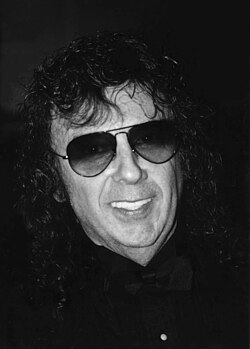
Phil Spector was one of the most influential and polarizing figures in the history of popular music. As a record producer, songwriter, and musician, he fundamentally changed how records were made, moving the focus from the individual performer to the overall sonic landscape. While his musical contributions earned him a place in the Rock and Roll Hall of Fame, his personal life and eventual conviction for murder left a dark stain on his professional achievements.
Spector's career spanned several decades, from the early days of rock and roll in the late 1950s to high-profile collaborations with the biggest names in music history. He is best remembered for creating a dense, orchestral production style that defined the sound of the 1960s.
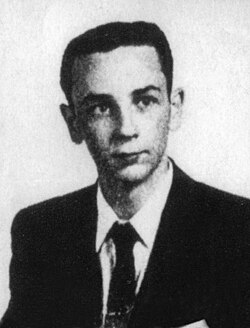
Key Facts
- Musical Innovation: Created the "Wall of Sound," a production technique using multiple instruments playing the same part to create a dense, layered effect.
- Major Labels: Founded and operated Philles Records, as well as Warner-Spector.
- Notable Collaborations: Produced landmark work for The Ronettes, John Lennon, George Harrison, and the Ramones.
- Criminal Conviction: Convicted of second-degree murder for the 2003 killing of actress Lana Clarkson.
- Death: Passed away on January 16, 2021, at the age of 81.
The Evolution of a Producer
Early Career and the Rise of Philles Records
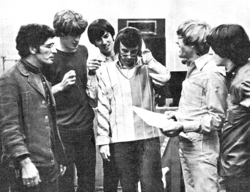
Spector began his journey in the late 1950s, performing with groups such as The Teddy Bears and The Spectors Three. However, his true calling was in the studio. By 1961, he established Philles Records, where he perfected his approach to pop music. During this era, he became the driving force behind the "girl group sound," producing hits that blended R&B, soul, and pop.

The Wall of Sound
The Wall of Sound was Spector's signature production technique. Rather than recording instruments separately, he layered multiple musicians—often including several pianos, guitars, and orchestral strings—playing the same melodies in unison. This created a massive, symphonic sound that translated powerfully to AM radio, making the records sound larger than life.
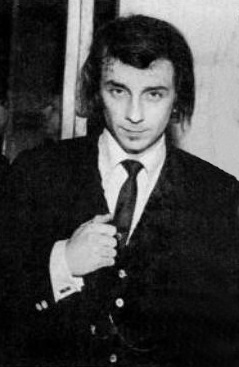
Collaborations with the Beatles and Beyond
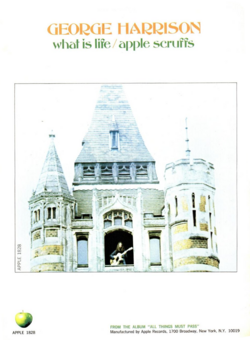
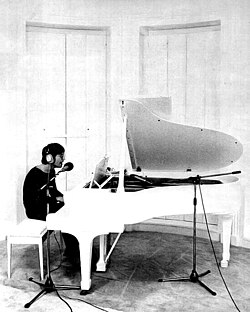
Spector's influence extended to the most successful band in history. John Lennon once noted that Spector kept rock 'n' roll alive during Elvis Presley's army service. In the early 1970s, Spector produced significant work for former Beatles members, including George Harrison's "What Is Life" and John Lennon's Imagine album.
![Spector influenced and helped facilitate the success of teen-oriented bands such as the Beatles. John Lennon (right) later stated, "Spector kept rock 'n' roll alive while Elvis was in the army".[136]](/images/64/e0/64e0992e3eba9eb981f6d4e2cb7940b649aacb6d6662b9f1ff8e40258ab589b0.jpg)
Later Work and the Ramones
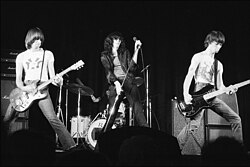
After a period of semi-hiatus and a near-fatal accident in the mid-1970s, Spector returned to production via Warner-Spector Records. He worked with diverse artists, including Leonard Cohen and the punk rock pioneers, the Ramones, though his relationship with the latter was often fraught with tension.
Personal Life and Criminal Conviction
Despite his professional success, Spector's personal life was marked by instability and volatility. He was married three times—to Annette Merar, Ronnie Bennett (of The Ronettes), and Rachelle Short—and had five children. His behavior in the studio and at home became increasingly erratic over time.
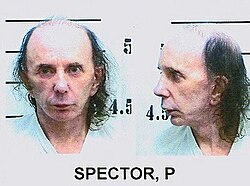
The trajectory of his life changed forever on February 3, 2003, when he shot and killed actress Lana Clarkson with a .38 caliber Colt Cobra revolver. After a series of legal battles and a mistrial, Spector was convicted of second-degree murder in 2009. He was sentenced to 19 years to life in prison.
Summary of Phil Spector's Career and Life
| Category | Details |
|---|---|
| Active Years | 1958–2003 |
| Primary Genres | Pop, Rock and Roll, R&B, Soul |
| Signature Technique | Wall of Sound |
| Key Labels | Philles, Warner-Spector, Phi-Dan |
| Major Conviction | Second-degree murder (2009) |
| Date of Death | January 16, 2021 |
Frequently Asked Questions
What exactly was the "Wall of Sound"?
The Wall of Sound was a production method where Spector used a large number of musicians playing the same parts simultaneously to create a dense, orchestral texture that sounded powerful on radio broadcasts.
Which famous artists did Phil Spector produce?
Spector produced for a wide array of artists, including The Ronettes, John Lennon, George Harrison, Leonard Cohen, and the Ramones.
Why was Phil Spector sent to prison?
Spector was convicted of second-degree murder for the killing of actress Lana Clarkson in February 2003.
When did Phil Spector die?
Phil Spector died on January 16, 2021, at the age of 81, after contracting COVID-19 while incarcerated.
Was Phil Spector a member of any bands?
Yes, early in his career, he was a member of The Teddy Bears and The Spectors Three before transitioning primarily into record production.