Salih ibn Mirdas and the Rise of the Mirdasid Dynasty
The history of northern Syria in the 11th century was defined by the shifting loyalties of powerful Bedouin tribes and the ambitions of regional rulers. At the center of this turbulence was Salih ibn Mirdas, a bold leader of the Banu Kilab who rose from a prisoner of war to become the Emir of Aleppo. By forging unprecedented alliances and leveraging strategic conquests, Salih established the Mirdasid dynasty, marking a rare era where Bedouin chieftains transitioned from nomadic life to urban kingship.
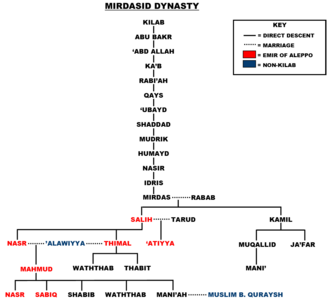
Key Facts
- Identity: Founder of the Mirdasid dynasty and Emir of Aleppo (1025–1029).
- Tribal Affiliation: Member of the Banu Kilab, a powerful Qaysi Bedouin tribe.
- Faith: Adherent of Twelver Shia Islam.
- Major Achievement: Formed a tripartite Bedouin alliance to challenge Fatimid rule in Syria.
- Capital: Established Aleppo as the center of his emirate.
- Death: Killed in battle in May 1029 near Lake Tiberias.
Early Life and Tribal Roots
Salih was born into the nobility of the Banu Kilab, a nomadic Arab tribe that had migrated from central Arabia to Syria during the 7th-century Muslim conquests. His father, Mirdas ibn Idris, belonged to a princely clan, while his mother, Rabab al-Zawqaliyya, hailed from the Zawqal clan near Aleppo. The family controlled Qinnasrin, a strategic town southwest of Aleppo.
The Banu Kilab were a dominant force in the Jazira (Upper Mesopotamia) and the steppes of northern Syria. They practiced Twelver Shia Islam, a faith reflected in Salih's kunya (honorific name), "Abū ʿAlī," which paid homage to Ali ibn Abi Talib. This tribal strength provided the military foundation Salih would later use to carve out his own state.
The Path to Power: From Captivity to Conquest
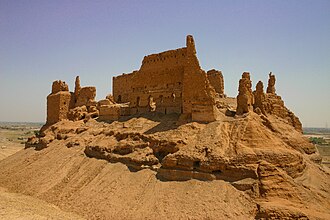
Salih first entered the historical record in 1008 when he seized the fortress of al-Rahba on the Euphrates River.
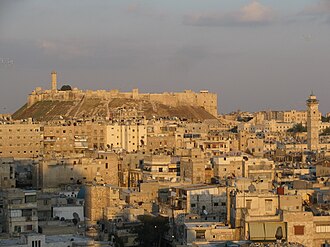
However, his rise was not without hardship. In 1012, the Emir of Aleppo, Mansur ibn Lu'lu', lured Salih and other Kilabi leaders into a trap during a feast, subsequently imprisoning and torturing them in the citadel of Aleppo. During this period, Mansur forced Salih to divorce his wife, Tarud, so that the Emir could marry her himself.
Salih's resilience became legendary; he eventually escaped the citadel—reportedly by cutting his shackles and leaping from the walls—and rejoined his tribesmen. He retaliated by capturing Mansur in battle, securing significant concessions, including half of Aleppo's revenues. This victory established Salih as the paramount leader of the Banu Kilab.
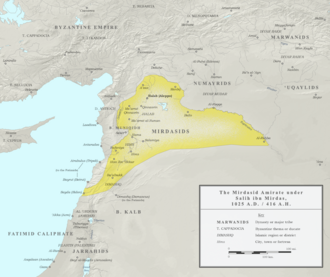
Between 1009 and 1022, Salih expanded his influence by capturing a string of vital fortress towns along the Euphrates, including Manbij, Raqqa, and Balis. These conquests created a strategically valuable crossroads that connected him with the Byzantines, the Fatimids, and the rulers of Iraq.
The Bedouin Alliance and the Conquest of Aleppo
Recognizing that the Fatimids of Egypt were the primary obstacle to permanent rule, Salih orchestrated a historic military pact in 1023. He allied the Banu Kilab with the Banu Tayy of Transjordan and the Banu Kalb of central Syria. This alliance was remarkable because it ignored the traditional Qaysi–Yamani tribal rivalry, uniting the three largest tribes in Syria against the Fatimids.
The pact envisioned dividing Syria into three Bedouin-run states: the Kilab in the north (Aleppo), the Tayy in Palestine, and the Kalb in central Syria (Damascus). With this combined force, Salih besieged Aleppo in late 1024. On January 18, 1025, the city's gates were opened to him by defecting soldiers, and Salih officially became the Emir of Aleppo.
Governing the Mirdasid Emirate
As Emir, Salih sought to transition from a tribal warlord to a legitimate statesman. He organized his administration along the lines of a traditional Islamic state, appointing a vizier for civilian affairs and a Shia qāḍī (judge) for legal matters. Notably, his vizier, Tadhrus ibn al-Hasan, was a Christian, reflecting Salih's reliance on the local Christian population and his desire for friendly relations with the Byzantine Empire.
While generally regarded as a just ruler, Salih's administration faced communal tensions. In one instance, he imprisoned Muslim notables in Ma'arrat al-Nu'man following a clash involving a Christian winehouse owner, though he later released them following the intercession of the famous poet al-Ma'arri.
The Fall of Salih and the Mirdasid Legacy
The tripartite Bedouin alliance eventually crumbled. By 1028, the Banu Kalb defected to the Fatimids, and the Fatimid general Anushtakin al-Dizbari launched a massive campaign to reclaim Syria. The Fatimids swiftly recaptured Salih's outlying territories in central Syria.
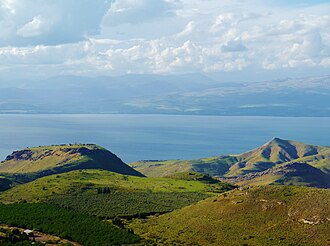
Salih's reign ended abruptly in May 1029 when he was killed in battle near the eastern shore of Lake Tiberias.
Following his death, his sons Nasr and Thimal struggled for control of Aleppo. Although the Mirdasids managed to maintain their rule intermittently until 1080, the era of Arab tribal dominance in the region eventually gave way to Turkish and Kurdish dynasties.
| Category | Details |
|---|---|
| Reign | June 1025 – May 1029 |
| Dynasty | Mirdasid |
| Tribe | Banu Kilab |
| Key Territories | Aleppo, al-Rahba, Manbij, Raqqa, Balis |
| Major Allies | Banu Tayy, Banu Kalb |
| Primary Adversary | Fatimid Caliphate |
Frequently Asked Questions
Who was Salih ibn Mirdas?
Salih ibn Mirdas was the founder of the Mirdasid dynasty and the Emir of Aleppo from 1025 to 1029. He was a leader of the Banu Kilab tribe who successfully established a Bedouin-led state in northern Syria.
How did Salih ibn Mirdas capture Aleppo?
Salih formed a powerful alliance with the Banu Tayy and Banu Kalb tribes to oppose the Fatimids. After a 50-day siege and the defection of some city defenders, he entered Aleppo in January 1025.
What was the significance of the Bedouin alliance?
The alliance was significant because it united the Qaysi (Banu Kilab) and Yamani (Banu Tayy and Kalb) tribal factions, which were traditionally rivals. This unity allowed them to challenge the Fatimid Caliphate's control over Syria.
What role did Christians play in Salih's government?
Salih relied heavily on the local Christian community for administrative and economic support. His vizier, Tadhrus ibn al-Hasan, was a Christian, which helped Salih maintain diplomatic ties with the Byzantine Empire.
How did Salih ibn Mirdas die?
Salih was killed in battle in May 1029 at Al-Uqhuwana, located on the eastern shore of Lake Tiberias, during a Fatimid offensive to reclaim the region.