Banu Kilab: The Rise and Influence of a Qaysi Arab Tribe
The Banu Kilab were a prominent Qaysi Arab tribe whose trajectory from the deserts of Central Arabia to the political centers of Northern Syria mirrors the broader expansion of early Islamic society. Descended from Kilab ibn Rabi'a, this branch of the larger Banu Amir tribe evolved from nomadic warriors into sophisticated political actors, eventually establishing their own sovereign state in the Levant.
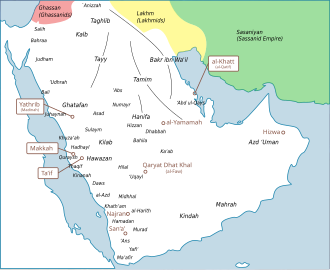
Key Facts
- Origins: Descended from Kilab ibn Rabi'a ibn Amir ibn Sa'sa.
- Geographic Shift: Moved from Central Arabia (6th–9th century) to Northern Syria (7th–13th century).
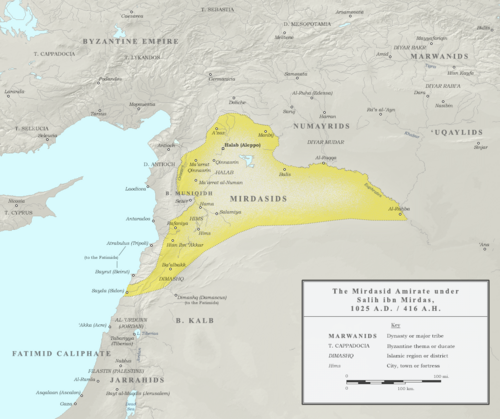
- Political Peak: Established the Mirdasid emirate with Aleppo as its capital.
- Religious Evolution: Transitioned from polytheism to Islam (post-630), with some branches adopting Shia Islam in the 10th and 11th centuries.
- Military Strength: At their height, some records suggest a force of up to 70,000 horsemen and infantry.
Origins and Early History in Arabia
The Banu Kilab emerged as a significant force within the Qays tribal confederation. In the pre-Islamic era, they were characterized by internal rivalries, most notably between the Ja'far and Abu Bakr divisions. Their early history was marked by conflicts with other tribes, such as the Tamim and Ghatafan, and complex relations with the Lakhmids.
Conversion to Islam
The tribe's transition to Islam was gradual. While early negotiations between the Prophet Muhammad and Kilabi chiefs like Amir ibn al-Tufayl were initially unsuccessful, subsequent delegations led to widespread conversion. Alqama ibn Ulatha became the first of the Banu Amir to embrace the faith. By 630 CE, multiple delegations from the Kilab and its subtribes, including the Ru'as, had reached agreements with Muhammad in Medina.
Expansion into Iraq and Syria
Following the Muslim conquests, the Banu Kilab began a phased migration out of the Arabian Peninsula. While some settled in Iraq—where figures like Shimr became influential in Kufa—the most significant movement was toward Syria.
Settlement in the Levant
Starting in the 630s, clans from the Abu Bakr, Amr, Abd Allah, Dibab, and Ja'far divisions migrated to Syria. They primarily established themselves in Jund Qinnasrin (the military district of northern Syria), west of the northern Euphrates valley. Other groups, such as the Banu Bayhas, became influential in Damascus, with some members serving as high-ranking officials under the Umayyad caliphs.
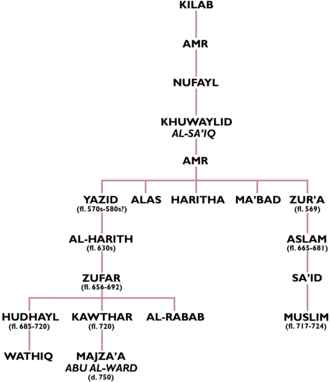
The Banu Bayhas and Political Power
The Banu Bayhas family exemplified the tribe's integration into the imperial administration. Bayhas ibn Zumayl served as the keeper of the seal for Caliph al-Walid II. Later, members of this family acted as practically independent rulers in Damascus, minting their own coins and managing regional rebellions during the Abbasid period.
The Mirdasid Emirate of Aleppo
By the 10th century, the Kilabi Bedouins had become the dominant power in northern Syria. Their influence was so great that regional rulers, such as Muhammad ibn Tughj al-Ikhshid, were forced to appoint Kilabi governors to maintain control of Aleppo.
The Rise of Salih ibn Mirdas
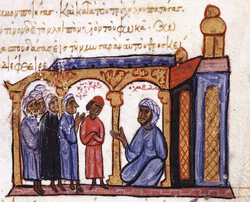
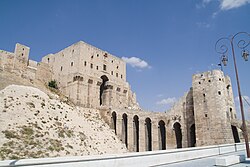
The pinnacle of Kilabi political power arrived with the establishment of the Mirdasid dynasty. Salih ibn Mirdas, a leader from the Abu Bakr division, rose to power after a period of intense conflict. After escaping imprisonment in the citadel of Aleppo in 1014, Salih rallied the Kilabi tribesmen and captured the city, making it the capital of his emirate in 1025.
Internal Strife and Decline
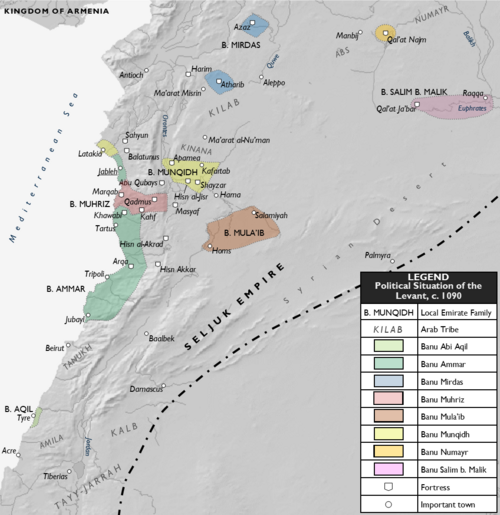
The Mirdasid emirate was frequently plagued by internal divisions. Rivalries between emirs, such as Thimal and his brother Atiyya, split the tribe into factions. The arrival of Turkmen mercenaries and the pressure from Uqaylid tribes further eroded Kilabi dominance. By the mid-11th century, the tribe's ability to dictate the political fate of Aleppo had diminished, eventually leading to the collapse of the emirate.
Tribal Structure and Demographics
The Banu Kilab were organized into several major branches, including the Abu Bakr, Amr, Abd Allah, and Ja'far. While the Amr division was initially the strongest in Syria, the Abu Bakr became the most numerous following mass migrations in 932 CE.
| Division | Primary Region | Key Significance |
|---|---|---|
| Abu Bakr | Northern Syria | Largest subtribe in Syria; produced the Mirdasid emirs. |
| Amr | Northern Syria | Strongest division in Syria until the 9th century. |
| Dibab | Iraq / Damascus | Produced the Banu Bayhas of Damascus and leaders in Kufa. |
| Ja'far | Central Arabia | Early leaders in the Arabian Peninsula. |
Frequently Asked Questions
Who were the Banu Kilab?
The Banu Kilab were a Qaysi Arab tribe descended from Kilab ibn Rabi'a. They migrated from Central Arabia to Northern Syria, where they became a dominant military and political force.
What was the Mirdasid dynasty?
The Mirdasid dynasty was an emirate established by the Banu Kilab in the 11th century, with its capital at Aleppo. It was founded by Salih ibn Mirdas after he captured the city in 1025.
How did the Banu Kilab transition to Islam?
The transition occurred through a series of diplomatic delegations to the Prophet Muhammad in Medina around 630 CE, with Alqama ibn Ulatha being one of the first prominent converts.
What caused the decline of Kilabi power in Syria?
The decline was caused by internal tribal feuds between Mirdasid emirs, the influx of Turkmen mercenaries, and territorial pressures from the Uqaylid tribes.
How large was the Banu Kilab tribe at its peak?
While specific numbers vary, historical records from 1075 suggest they could assemble as many as 70,000 horsemen and infantry, though some historians believe this figure may be an exaggeration to reflect the tribe's immense scale.