The History and Resilience of the Sakhalin Koreans
The story of the Sakhalin Koreans is one of displacement, political complexity, and enduring cultural identity. Located on Sakhalin Island, this community represents a unique branch of the Korean diaspora, shaped by the shifting borders of the Russian and Japanese Empires and the turbulent events of the 20th century.
Today, the Sakhalin Korean population remains a distinct group, maintaining their heritage while navigating life within Russia. Their history serves as a poignant reminder of how global conflicts can leave entire populations in a state of prolonged exile.
Key Facts
- Total Population: Over 55,000 people.
- Primary Locations: Russia (35,000), Sakhalin Oblast (24,993), South Korea (1,500), and North Korea (1,000).
- Languages Spoken: Russian and Korean.
- Major Religions: Christianity, specifically Russian Orthodoxy and Protestantism.
- Historical Context: Many originated from forced or recruited labor during the Japanese occupation of Karafuto.
Historical Origins and Colonialism
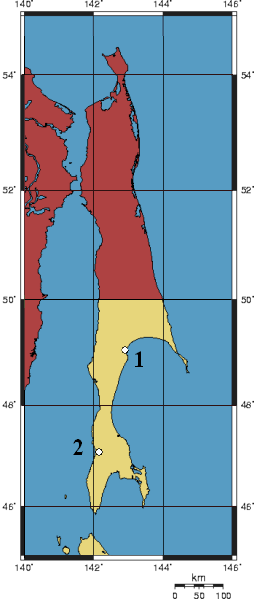
The presence of Koreans on Sakhalin dates back to at least the late 19th century. The 1897 Russian Empire census recorded 67 Koreans on the island, some of whom were prisoners in the local penal colony. However, the demographic landscape changed drastically following the Russo-Japanese War, when the southern half of the island—then known as Karafuto Prefecture—was annexed by the Empire of Japan.
During the period of Japanese colonialism, the government recruited and forced Korean laborers to Sakhalin to address labor shortages caused by World War II. This period of forced migration laid the foundation for the modern Sakhalin Korean community.
The Soviet Invasion and Wartime Massacres
On August 11, 1945, as World War II neared its end, the Soviet Union invaded the Japanese-controlled portion of Sakhalin. In the ensuing chaos, rumors spread that ethnic Koreans were acting as spies for the Soviet Union. This paranoia led to tragic massacres carried out by Japanese police and civilians. Two notable incidents occurred in August 1945: one in Kamishisuka (now Leonidovo) and another in Mizuho Village (now Pozharskoye).
The Era of Exile and Repatriation Struggles
Following the war, the political situation left many Koreans in a state of limbo. While many Japanese civilians were able to repatriate, nearly one-third of the Koreans on the island could not secure permission to leave for Japan or their ancestral homes in South Korea. For the next forty years, they lived in a state of de facto exile.
Several factors prevented their return:
- Political Instability: The outbreak of the Korean War made repatriation a political impossibility.
- Local Resistance: Soviet local administrations in Sakhalin objected to the departure of Koreans, fearing a loss of skilled labor that incoming Russian settlers could not replace.
- Refusal of Citizenship: Even as the Soviet government allowed naturalization, many Koreans refused both Soviet and North Korean citizenship, insisting on their right to return to South Korea.
The struggle for movement became increasingly visible in the 1970s. In 1976, after a wave of public demonstrations by Korean families seeking to emigrate, Soviet authorities responded with arrests and deportations. Many who sought to go to South Korea were instead deported to North Korea.
Modern Relations and Cultural Identity
The late 1980s and 1990s brought significant changes under Perestroika and Glasnost (policies of political and economic restructuring in the Soviet Union). In 1985, Japan began funding the repatriation of the first generation of Sakhalin Koreans. By the 1990s, direct flights and increased commerce opened between Sakhalin and South Korea.
Influence of the Two Koreas
The Sakhalin Korean community has become a site of soft power competition between North and South Korea. Both nations vie for influence through media, economic aid, and cultural programs. While roughly 1,000 Sakhalin Koreans have opted to move to North Korea, the economic prosperity of the South has made South Korean repatriation a more common aspiration.
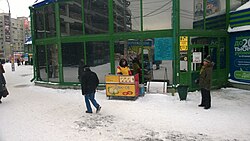
Today, the community maintains its identity through unique cultural expressions. This includes Sakhalin Korean Broadcasting, the only Korean-language television station in Russia, and the preservation of traditional cuisine, such as Pyanse.
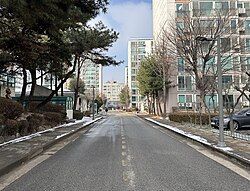
In Ansan, South Korea, the Hometown Village serves as a retirement community specifically for the first generation of Sakhalin Koreans, providing a space for those who finally achieved their dream of returning home.
Summary of Sakhalin Korean Demographics
| Category | Details |
|---|---|
| Total Population | Over 55,000 |
| Primary Region (Russia) | 35,000 |
| Sakhalin Oblast Population | 24,993 |
| South Korean Population | 1,500 |
| North Korean Population | 1,000 |
| Languages | Russian, Korean |
Frequently Asked Questions
Why were many Koreans unable to return to Korea after World War II?
The inability to repatriate was caused by a combination of political instability (notably the Korean War), the refusal of the Japanese government to accept certain Koreans, and local Soviet administrations' concerns regarding the loss of skilled labor on Sakhalin.
What is the "Hometown Village"?
The Hometown Village is a retirement community located in Ansan, South Korea, which has operated since 2000 to support the first generation of Sakhalin Koreans.
How do Sakhalin Koreans maintain their culture in Russia?
They maintain their heritage through the Sakhalin Korean Broadcasting station, religious practices in Christian churches, and the preservation of traditional Korean food and music.
Is there a difference between the Sakhalin Korean population in the North and South?
Yes. While both North and South Korea have exerted influence, the rise of the South Korean economy has made South Korea a more attractive destination for many compared to the economic and political situation in North Korea.
What happened during the 1945 massacres?
During the Soviet invasion of Karafuto in August 1945, rumors that Koreans were spying for the Soviets led to massacres of ethnic Koreans by Japanese police and civilians in areas such as Kamishisuka and Mizuho Village.