Russo-Ukrainian War: The Full-Scale Invasion and Its Global Impact
The Russo-Ukrainian War escalated into a full-scale invasion on February 24, 2022, marking one of the most significant military conflicts in Europe since World War II. What began as a localized conflict in 2014 evolved into a high-intensity war involving advanced aerial warfare, massive territorial shifts, and unprecedented international involvement.
At its core, the conflict is a struggle over sovereignty, territorial integrity, and geopolitical alignment. While Russia has sought to maintain influence over former Soviet territories, Ukraine has fought to preserve its independence and move toward closer ties with Western institutions.
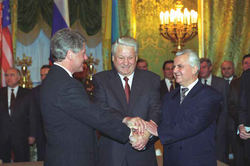
Key Facts
![The Normandy Format meeting in December 2019 was the only meeting between Zelenskyy and Putin.[60]](/images/e7/19/e71948dc5a7cb98afadf8190ef6dacb266e13bc8469dcb5eebb0b09e0b701694.jpg)
- Start Date: February 24, 2022.
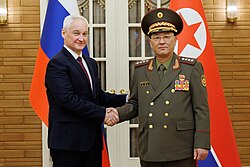
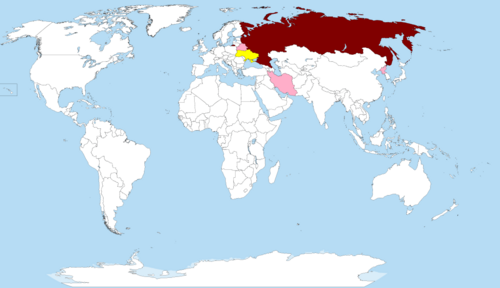
- Primary Belligerents: Russia (supported by Belarus and North Korea) vs. Ukraine.
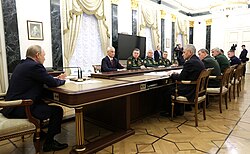
- Key Leaders: Vladimir Putin (Russia) and Volodymyr Zelenskyy (Ukraine).
- Major Fronts: Kyiv (Northern), Donbas (Eastern), and Kherson/Zaporizhzhia (Southern).
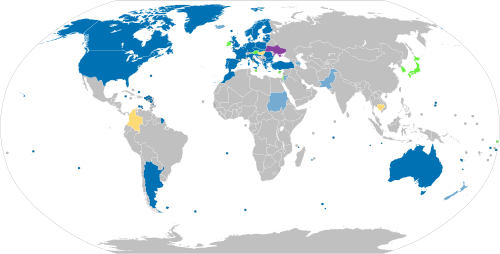
- International Status: Condemned by the UN General Assembly; significant military aid provided by Western nations.
Historical Background and Prelude
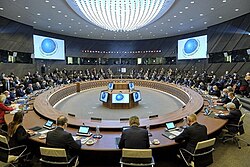
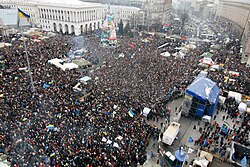
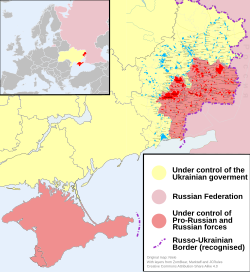
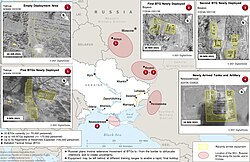
The 2022 invasion did not occur in a vacuum. Tensions rose following the Ukrainian Revolution and the subsequent Russian annexation of Crimea and the destabilization of the Donbas region in 2014. In the months leading up to February 2022, Russia conducted a massive military build-up along Ukraine's borders, demanding security guarantees and the neutrality of Ukraine regarding NATO membership.
Timeline of Major Military Engagements
The Initial Invasion (February – April 2022)
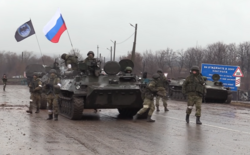
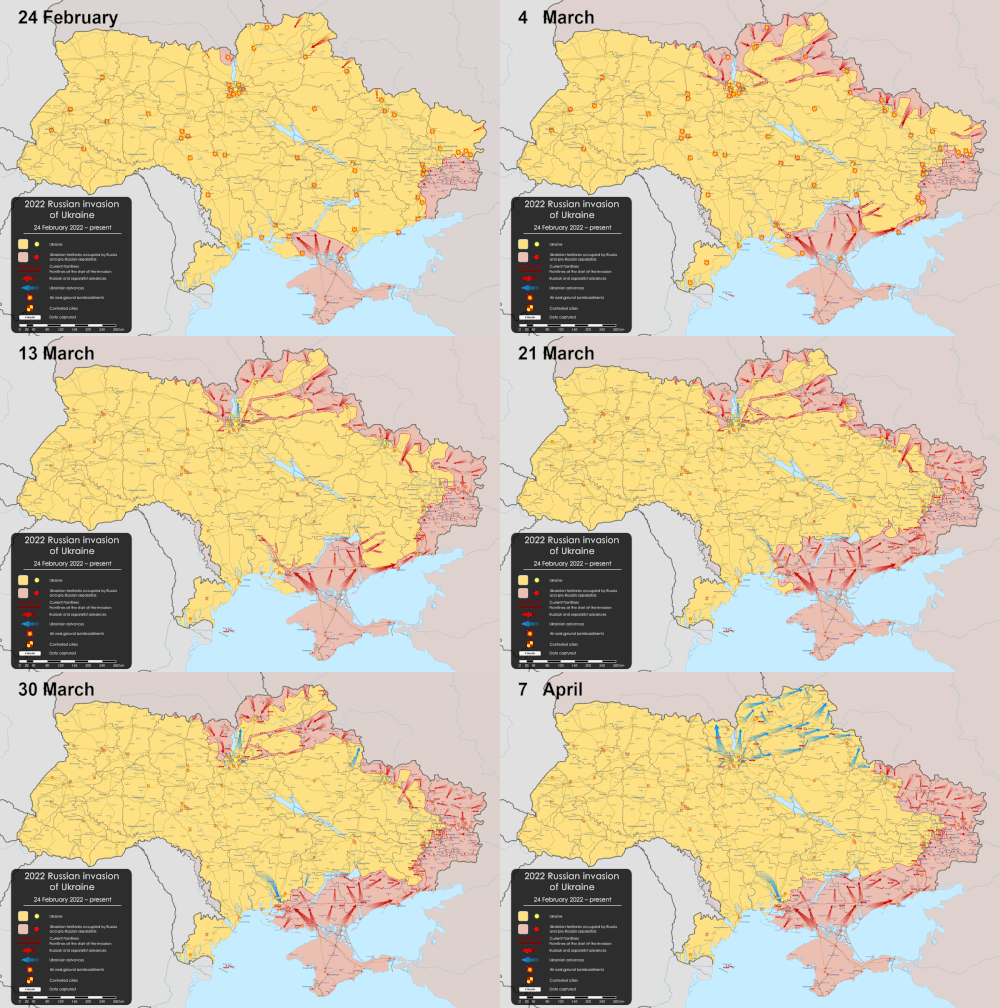
Russia launched a multi-pronged assault targeting the capital, Kyiv, as well as southern and eastern cities. Despite the initial shock, Ukrainian resistance stalled the Russian advance toward Kyiv, eventually forcing a Russian withdrawal from the northern front.
The Battle for the East and South (April – September 2022)
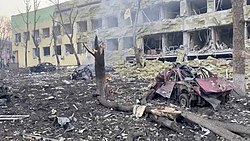
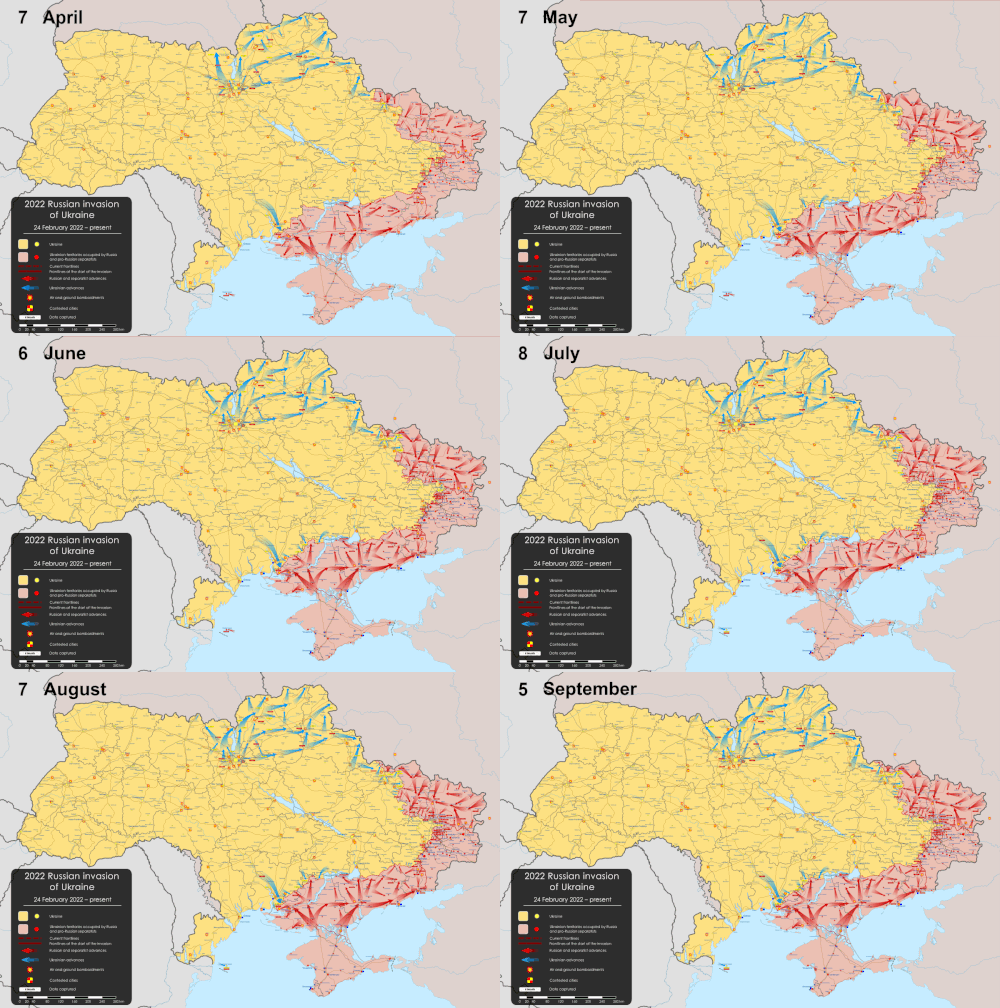
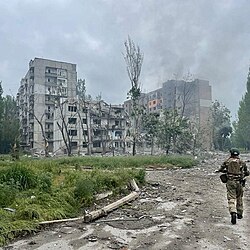
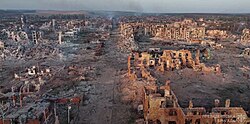
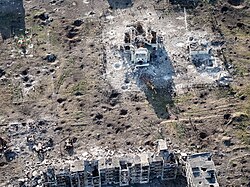
The conflict shifted toward the Donbas and southern coast. This period saw the brutal siege and eventual fall of Mariupol and the capture of Sievierodonetsk and Lysychansk. Russia established control over key corridors to Crimea, though they faced constant guerrilla resistance.
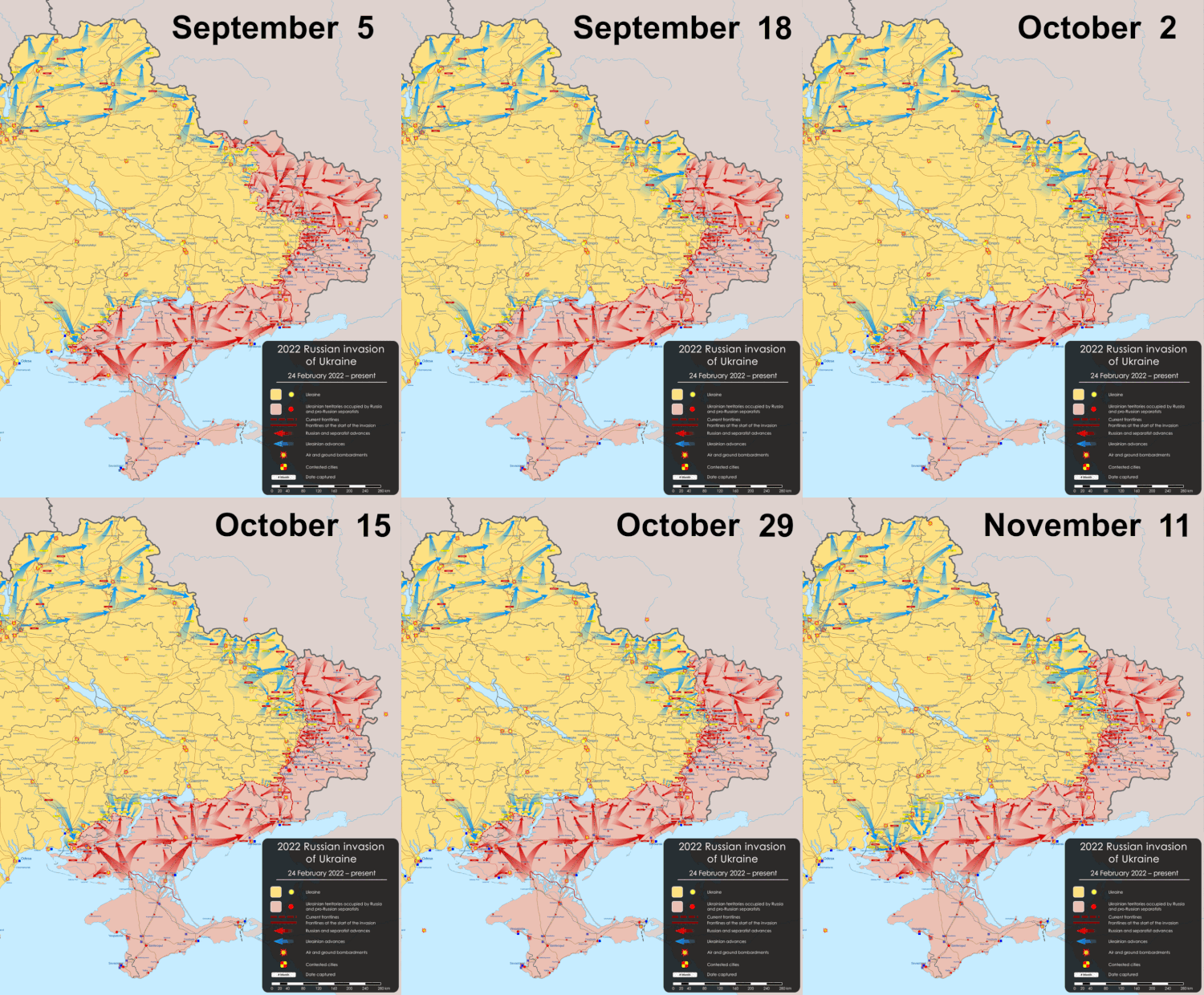
Ukrainian Counteroffensives (September – November 2022)
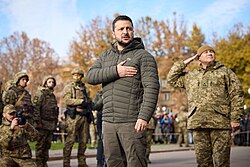
Ukraine launched successful counter-attacks, most notably in the Kharkiv region and the liberation of Kherson city. These operations reclaimed significant territory and dealt a blow to Russian momentum.
War of Attrition and Recent Developments (2023 – 2026)
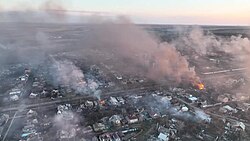
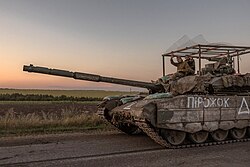
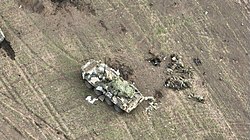
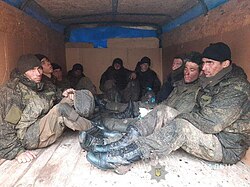
The war transitioned into a grueling war of attrition, characterized by the bloody Battle of Bakhmut and the Battle of Avdiivka. By 2024, the conflict expanded as Ukraine launched an incursion into Russia's Kursk Oblast. Recent reports indicate a surge in the use of unmanned aerial vehicles (UAVs) and the deployment of North Korean troops to support Russian forces.
![Use of Russian drones (unmanned aerial vehicles) increased about tenfold from early 2024 through summer 2025.[312]](/images/5a/ef/5aef2f5f641efb629a1285be42a94d83145b373e2c8eb49ce86d4279fad9bdde.webp)
Aerial Warfare and Infrastructure Attacks
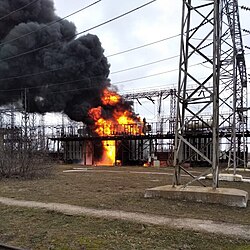
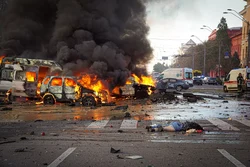
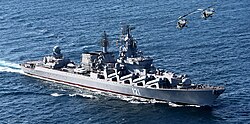
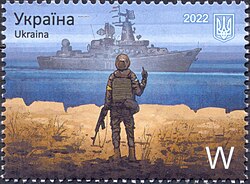
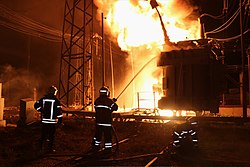
Beyond the front lines, the war has been defined by missile attacks and drone strikes. Russia targeted Ukraine's energy infrastructure to disable power and heat during winter, while Ukraine targeted Russian oil production and naval assets, including the sinking of the flagship Moskva.
Humanitarian Impact and War Crimes
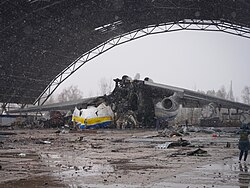
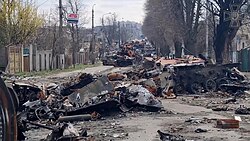
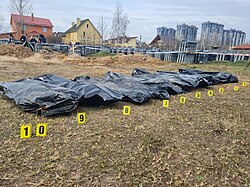
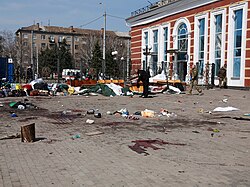
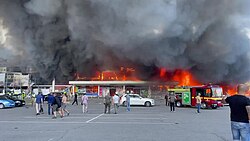
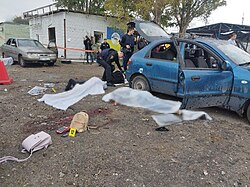
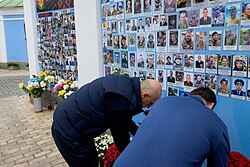
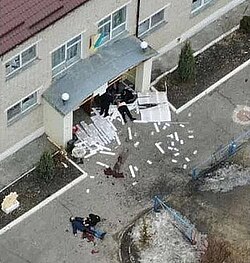
The human cost has been catastrophic. The International Criminal Court (ICC) has issued arrest warrants, including one for Vladimir Putin, following allegations of war crimes and the unlawful abduction of Ukrainian children. Massacres in towns like Bucha have highlighted the brutality of the occupation.
International Involvement and Global Consequences
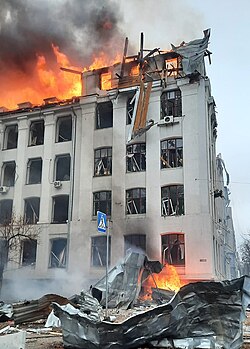
The war has polarized the globe. Western nations have provided heavy weaponry and intelligence to Ukraine, while Russia has deepened ties with China, Iran, and North Korea to evade sanctions and secure munitions.
| Category | Russian Position/Action | Ukrainian Position/Action |
|---|---|---|
| Strategic Goal | Territorial annexation and neutrality | Full liberation and sovereignty |
| Key Allies | Belarus, North Korea, Iran | USA, EU, NATO members |
| Major Losses | Significant troop casualties, Black Sea Fleet | Civilian infrastructure, high military casualties |
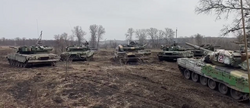
| Tactical Shift | Heavy artillery and drone saturation | Precision strikes and asymmetric warfare |
Frequently Asked Questions
![Putin and Chinese president Xi Jinping at the 16th BRICS summit in Kazan, Russia. Most of the Global South countries took a neutral position towards the war and maintained good relations with Russia.[535]](/images/c0/61/c0614d9185afe3f7638ddee4bd857527986949237a2db8d712bf0d1940b07d43.jpg)
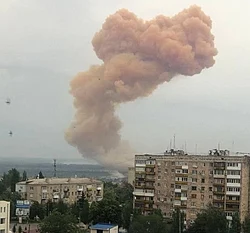
![Aftermath of a Russian airstrike on Zaporizhzhia on 8 January 2025, which killed 13 people and wounded many more[629]](/images/d9/4b/d94b9940ac0b4de53df585e9d91ba25778c327f2d8744f1ad42233fae6c07759.jpg)
![Viewed in context, the price of oil has been affected internationally at the times of the COVID-19 pandemic, the 2022 Russo-Ukrainian war and the 2026 Iran war.[721]](/images/82/b9/82b964dbe8141674cc48d0ad1fe7d7417af3b5e70f8fc40d35f2d0c8bb63f0a6.webp)
![Putin has demanded international recognition of the annexed provinces (pictured) as Russian, despite only controlling parts of them.[750]](/images/3b/3d/3b3d5512c109b5f52473e8b5146a550c901875f84f226df427f30093ac6bdd13.webp)
What was the primary reason for the 2022 invasion?
Russia cited concerns over NATO expansion and the need to "denazify" and "demilitarize" Ukraine, while Ukraine and the international community view it as an unprovoked act of aggression to seize territory and regime change.
What is the significance of the Donbas region?
The Donbas (comprising Donetsk and Luhansk) is an industrial heartland that has been a flashpoint of conflict since 2014 and remains a primary objective for Russian territorial claims.
How has the international community responded?
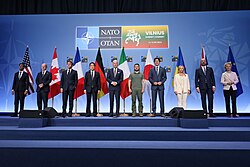
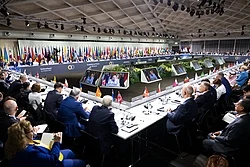
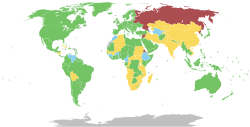
The UN General Assembly passed resolutions condemning the invasion. Many Western countries imposed severe economic sanctions on Russia and provided Ukraine with military aid, including tanks, missiles, and intelligence.
What role did North Korea play in the conflict?
North Korea provided munitions to Russia and, by late 2024, deployed thousands of soldiers to assist Russian offensive operations, particularly on the Kursk front.
What are the environmental and nuclear risks?
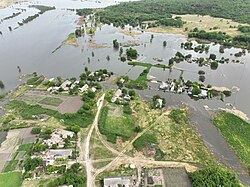
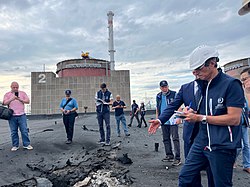
The war has caused severe environmental damage and created high risks of nuclear catastrophe, specifically regarding the occupation and shelling of the Zaporizhzhia Nuclear Power Plant.