Rock Music and Its Societal Impact in the 20th Century
Rock music was more than just a sonic revolution; it was a powerful social force that reshaped the 20th century. Particularly influential among the baby boomer generation, rock and roll permeated daily life, altering fashion, language, and social attitudes. What began as a niche movement in the early 1950s eventually became the dominant form of popular music culture in the United States and other Western nations by the 1980s.
From its early integration into television commercials and film soundtracks to its role as a catalyst for social change, rock music became an interwoven thread in the fabric of global popular culture.
Key Facts
- Racial Integration: Rock and roll emerged from the crossover of African American "race music" to white youth audiences, aiding early desegregation efforts.
- Cultural Influence: The genre dictated global fashion trends, from the 1960s "mop-tops" to 1990s grunge.
- Social Activism: Rock musicians used their platforms to protest the Vietnam War and raise millions for famine relief via events like Live Aid.
- Controversy: The lifestyle associated with rock often involved struggles with substance abuse and tensions with religious institutions.
Race and Social Integration
The rise of rock and roll was deeply tied to the racial dynamics of the United States. The genre grew as black performers reached white audiences and white performers appropriated African-American musical styles. This crossover occurred during the early stages of the civil rights movement, coinciding with the 1954 Supreme Court ruling that abolished the "separate but equal" policy.
While some white racists condemned the music for breaking down color barriers, many observers viewed rock and roll as a herald of desegregation. By creating a shared musical experience, the genre helped white and black teenagers forge new, common identities.
Sex, Drugs, and the Rock Lifestyle
The rock and roll image has long been associated with a "hard-living" lifestyle. In the 1960s, the growth of the underground rock press brought the private lives of stars into the public eye, including the phenomenon of groupies—female fans who followed bands and often engaged in sexual relationships with musicians.
The public endorsement of recreational drugs by icons also influenced youth perception. For instance, when the Beatles acknowledged using LSD in the late 1960s, many fans followed suit. However, the glamour of drug use faded as the industry suffered high-profile losses, including members of the "27 Club" such as Jimi Hendrix, Janis Joplin, and Jim Morrison.
Many legendary musicians—including Keith Richards, Ozzy Osbourne, and Kurt Cobain—have openly battled addictions to alcohol, cocaine, and heroin. While some found sobriety through rehabilitation, others succumbed to these struggles.
The Evolution of Rock Fashion
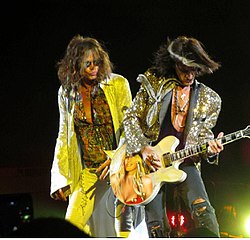
Fashion and rock music have always been inextricably linked, with clothing serving as a visual marker of genre and identity. In the UK during the mid-1960s, a rivalry existed between the "mods" (modern Italian-led fashion) and "rockers" (motorcycle leathers).

Over the decades, styles shifted rapidly:
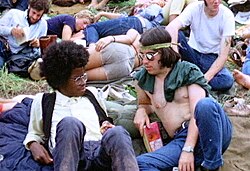
- 1960s: The Beatles popularized mop-top haircuts, collarless blazers, and Beatle boots, while others adopted hippie styles like Nehru jackets and long hair.
- 1970s: Glam rock introduced glitter and high heels, while punk reacted with mock-conservative attire like skinny ties and suit jackets.
- 1980s: Heavy metal favored leather, denim, studs, and long hair. The launch of MTV in 1981 amplified these visuals, bringing new wave and glam metal styles to a global audience.
- 1990s: Grunge rejected commercial polish in favor of flannel shirts, torn jeans, and backward baseball hats.

Authenticity and Social Activism
A recurring tension in rock culture is the concept of "selling out." To be considered authentic, artists were often expected to maintain a distance from commercialism. Those perceived as compromising their art for profit were sometimes labeled "poseurs," particularly in the punk and metal scenes.
Despite these internal frictions, rock musicians frequently used their fame for social commentary. During the Vietnam War, artists like Bob Dylan and John Lennon wrote protest songs calling for peace. This activism expanded to cover environmental issues (Marvin Gaye), the Anti-Apartheid Movement (Peter Gabriel), and violence in Northern Ireland (U2).
The Legacy of Live Aid
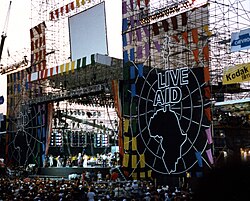
The pinnacle of rock as social activism was Live Aid on July 13, 1985. This 16-hour televised event, held simultaneously in London and Philadelphia, raised millions of dollars for famine relief in Africa. It set the precedent for future charity concerts, including Farm Aid and Live 8.
Religion and Controversy
The relationship between rock and religion has been volatile. The term "rock god" reflects the near-religious devotion fans show their idols. However, this has led to clashes; John Lennon famously faced backlash in the US South after suggesting the Beatles were "more popular than Jesus."
While some bands like Iron Maiden and Slayer were accused of Satanism, many used demonic imagery purely for entertainment. For example, Alice Cooper is a born-again Christian, and Ozzy Osbourne was reported to be Anglican. Conversely, the early Norwegian black metal scene did include genuine Satanists, such as Euronymous.
Within the faith community, Christian rock emerged as a distinct genre. However, some conservative critics, such as David Noebel, argued that the "jungle beats" inherent in rock and hip hop were immoral or part of a communist plot to subvert youth morality.
| Category | Key Influence/Trend | Notable Examples |
|---|---|---|
| Race | Desegregation & Crossover | African American "race music" to white youth |
| Fashion | Genre-specific Visuals | Mop-tops, Leather, Flannel, Glitter |
| Activism | Global Charity & Protest | Live Aid, Anti-War songs |
| Religion | Spiritual Conflict & Synthesis | Christian Rock vs. Satanic imagery |
Frequently Asked Questions
How did rock and roll contribute to racial desegregation?
Rock and roll brought together white youth audiences and black music, encouraging racial cooperation and shared experiences during a time of high racial tension in the US.
What is the "27 Club" in rock history?
The 27 Club refers to a group of influential musicians, including Jimi Hendrix, Janis Joplin, and Jim Morrison, who all died at the age of 27, often due to drug-related causes.
What does "selling out" mean in the context of rock music?
Selling out refers to the perception that a musician has compromised their artistic integrity or authenticity in exchange for commercial success or mainstream popularity.
What was the significance of Live Aid?
Live Aid was the largest musical concert in history (1985), raising millions of dollars for famine relief in Africa and establishing a model for global music-based charity events.
Did all metal bands using demonic imagery believe in Satanism?
No. Many bands used demonic imagery for artistic or entertainment purposes. While some in the Norwegian black metal scene were Satanists, others, like Alice Cooper, are Christians.