Robotics: The Science of Designing and Operating Intelligent Machines
Robotics is a dynamic, interdisciplinary field focused on the design, construction, operation, and use of robots. A roboticist is a specialist dedicated to this complex science, working at the intersection of multiple engineering and computational disciplines. At its core, the creation of a robot requires the seamless integration of four fundamental design aspects: a power source, mechanical construction, a control system, and software.
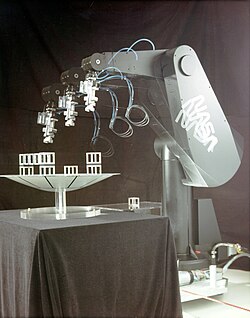
The ultimate goal of most robotics research is to develop machines capable of assisting humans across a vast spectrum of industries. From the precision required in medicine to the rugged demands of space exploration, robots are increasingly becoming essential partners in human endeavor.
Key Facts
- Core Components: Every robot requires a power source, mechanical structure, control system, and software.
- Diverse Power Sources: Robots can be powered by batteries, solar energy, hydraulics, pneumatics, or even nuclear energy.
- Broad Applications: Robotics impacts sectors including agriculture, medicine, manufacturing, space exploration, and transportation.
- Interdisciplinary Nature: The field combines mechanical engineering, electrical engineering, and computer science.
- Future Research: Active areas of study include robot kinematics and quantum robotics.
The Four Pillars of Robotic Design
To create a functional machine, engineers must address four critical technical areas:
1. Power Source
A robot's ability to function depends on its energy supply. Common methods include batteries, solar power, and pneumatics (the use of compressed gases). More specialized systems may utilize hydraulics, nuclear energy, flywheel energy storage, or even organic garbage through anaerobic digestion.
2. Mechanical Construction
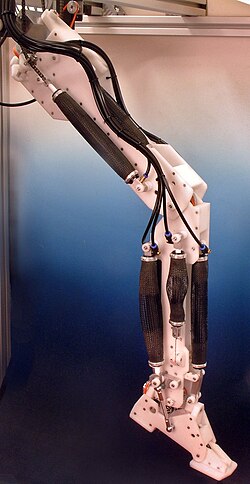
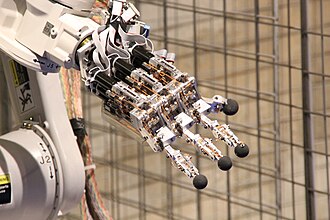
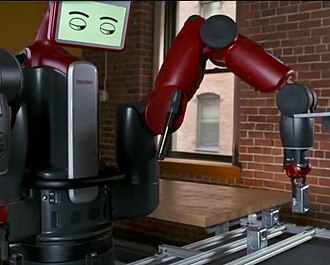
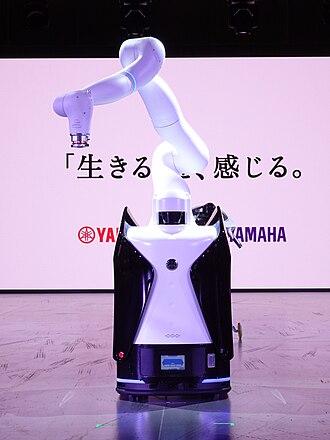
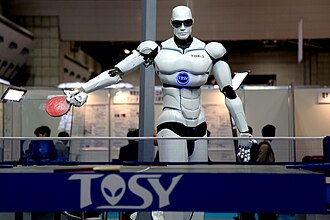
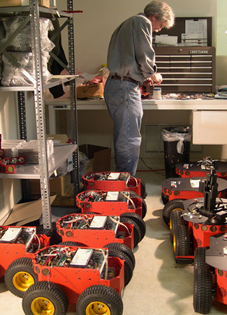
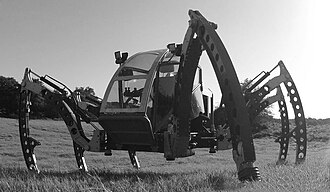
This involves the physical build of the robot, focusing on two main areas: locomotion (how the robot moves from place to place) and manipulators (the components, such as arms or hands, used to interact with objects).
3. Control System
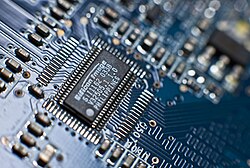
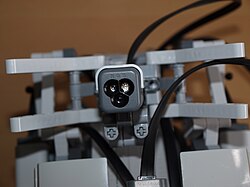
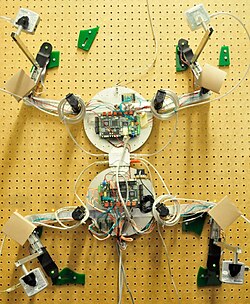
The control system acts as the robot's nervous system. It relies on electrical circuits and sensing technologies to process information. Sensors allow a robot to perceive its environment, such as using a color sensor to distinguish between objects.
4. Software
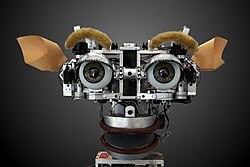
Software provides the "intelligence" of the machine. This can range from simple remote control to advanced artificial intelligence (AI) that allows for autonomous decision-making. Modern research also focuses heavily on human-robot interaction, ensuring machines can interface naturally with people.
Real-World Applications of Robotics
Robots are no longer confined to science fiction; they are actively transforming various sectors of modern life.
- Agriculture: Utilizing drones and AI-assisted precision agriculture.
- Medicine: Employing robot-assisted surgery in clinical settings.
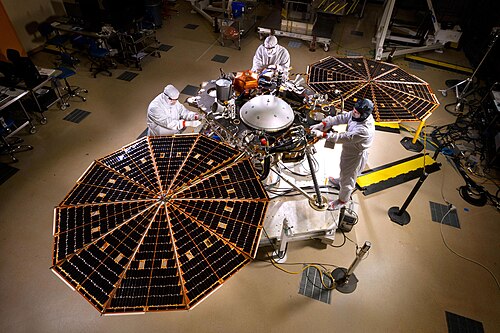
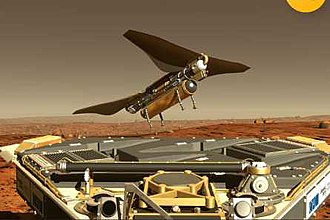
- Space Exploration: Deploying rovers and landers to distant planets.
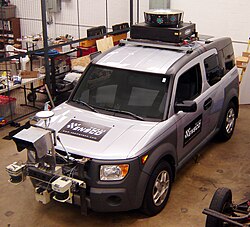
- Transportation: Developing self-driving cars and airplane autopilot systems.
- Domestic Work: Automating tasks like vacuuming, lawn mowing, and even dishwashing.
- Manufacturing: Using industrial arms for tasks like electric resistance welding.
Summary of Robotic Components and Uses
| Category | Key Elements | Common Examples |
|---|---|---|
| Design Pillars | Power, Mechanics, Control, Software | Batteries, Circuits, AI, Manipulators |
| Movement | Locomotion & Manipulators | Wheels, Legs, Robotic Arms |
| Industries | Service & Production | Medicine, Agriculture, Manufacturing |
| Exploration | Remote & Autonomous | Mars Rovers, Deep Sea Robots |
Frequently Asked Questions
What is a roboticist?
A roboticist is a professional who specializes in the interdisciplinary study and practice of designing, building, and operating robots.
How do robots get their power?
Robots can use various power sources depending on their needs, including batteries, solar panels, hydraulics, pneumatics, and even nuclear energy.
Can robots work alongside humans?
Yes, through the development of collaborative robots (cobots) and improved human-robot interaction, machines are being designed to work safely and naturally alongside people.
What are the main concerns regarding robotics?
Key concerns include the displacement of human workers due to automation, which has led to discussions regarding economic solutions like basic income, as well as safety and health considerations.
What is the difference between a control system and software?
The control system typically refers to the hardware-based electrical circuits and sensors that manage the robot's physical responses, while software refers to the programmed instructions and AI that dictate the robot's logic and behavior.