Red Sea: Geography, Biodiversity, and Global Significance
The Red Sea is a critical body of water separating Africa from Asia. Serving as a vital maritime link between the Indian Ocean and the Mediterranean Sea, it is defined by its unique geological composition, rich marine life, and strategic importance to global trade. From the depths of its rift basin to the vibrant coral reefs of its shores, the Red Sea is a region of immense scientific and economic value.
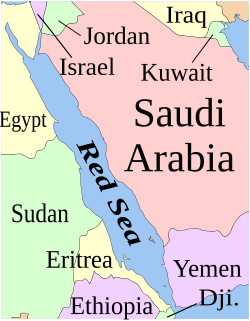
Key Facts
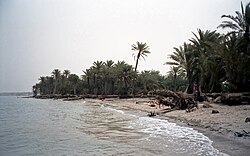
- Maximum Length: 2,250 km (1,400 mi).
- Maximum Depth: 2,730 m (8,960 ft).
- Primary Inflows: Gulf of Aden and Gulf of Suez.
- Primary Outflows: Bab-el-Mandeb and the Suez Canal.
- Basin Countries: Djibouti, Egypt, Eritrea, Israel, Jordan, Saudi Arabia, Somalia, Sudan, and Yemen.
Geography and Physical Extent
The Red Sea is a narrow sea characterized by its significant depth and specific boundaries. It is bordered by the eastern shores of Saudi Arabia and Yemen, and the western shores of Egypt, Sudan, Eritrea, and Djibouti. The sea's surface area covers approximately 438,000 square kilometers, with an average depth of 490 meters.
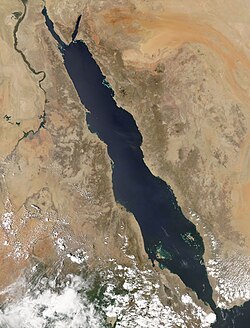
Exclusive Economic Zones (EEZ)
The Exclusive Economic Zone (EEZ) is a sea zone prescribed by the United Nations over which a state has special rights regarding the exploration and use of marine resources. In the Red Sea, these zones are distributed among the bordering nations as follows:
| Country | Area (km²) |
|---|---|
| Saudi Arabia | 186,392 |
| Sudan | 92,513 |
| Egypt | 91,279 |
| Eritrea | 78,383 |
| Yemen | 35,861 |
| Djibouti | 7,037 |
| Total | 491,465 |
Geology and Mineral Resources
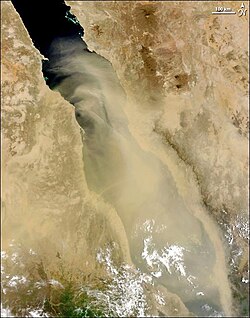
The Red Sea is geologically active, featuring a variety of sediment constituents. These are categorized into biogenic (such as nanofossils and foraminifera), volcanogenic (including volcanic ash and zeolites), and terrigenous materials like quartz and feldspars. The sea is also rich in authigenic minerals, evaporites (such as gypsum and halite), and brine precipitates including hematite and pyrite.
Marine Ecosystem and Biodiversity
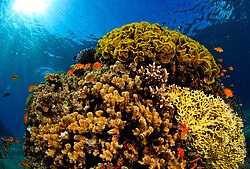
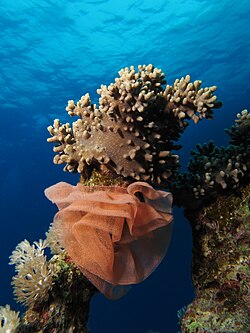
The Red Sea is world-renowned for its biodiversity, particularly its resilient coral reefs and a vast array of marine species. The ecosystem supports everything from microscopic nudibranchs to the largest mammals on Earth.
Fish and Sharks
The most commonly found fish in the sea is the Lyretail anthias. Other notable species include the Red Sea anemonefish, Napoleon fish, and the Giant moray eel. The waters are also home to numerous shark species, ranging from the common Blacktip reef shark to the exceptionally rare Great white shark.
Marine Mammals and Reptiles
- Whales: Species include the Sperm whale, Pygmy blue whale, and the rare Blue whale (sighted in the Gulf of Aqaba in 2018).
- Dolphins: The region hosts Spinner, Common bottlenose, and Risso's dolphins.
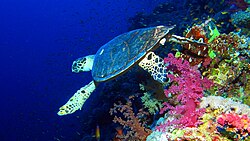
- Turtles: Both Green sea turtles and Hawksbill sea turtles inhabit these waters.
Human Interaction and Global Trade
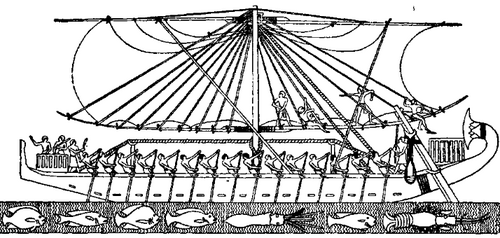
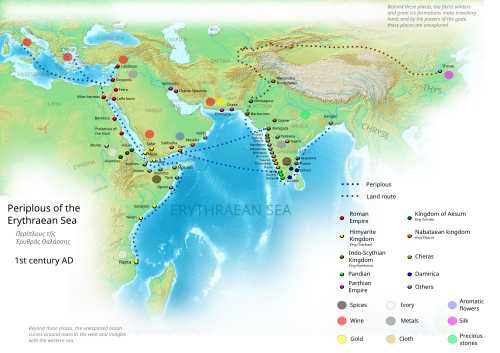
Historically, the Red Sea has been a crossroads for civilization, from ancient Egyptian expeditions to the Land of Punt to the spice trade described in the Periplus of the Erythraean Sea.
In the modern era, the sea is a hub for tourism and trade. Major coastal cities such as Jeddah, Suez, and Port Sudan facilitate international commerce. However, the region faces significant challenges, including the Red Sea crisis, which has led to vessel rerouting, increased emissions, and threats to marine biodiversity due to oil and chemical spills.
Frequently Asked Questions
Which countries border the Red Sea?
The Red Sea is bordered by Saudi Arabia and Yemen to the east, and Egypt, Sudan, Eritrea, and Djibouti to the west. Israel and Jordan also have access via the Gulf of Aqaba.
What is the most common fish in the Red Sea?
The Lyretail anthias is the most commonly found fish species in the Red Sea.
How deep is the Red Sea?
The average depth of the Red Sea is 490 meters (1,610 ft), reaching a maximum depth of 2,730 meters (8,960 ft).
What are the primary outflows of the Red Sea?
The primary outflows are the Bab-el-Mandeb strait, which leads to the Gulf of Aden, and the Suez Canal, which connects to the Mediterranean Sea.
What environmental threats does the Red Sea face?
The sea faces threats from pollution via oil and chemical spills, biodiversity loss, and the environmental impact of waste brine disposal from desalination plants.