Egypt: A Comprehensive History from Prehistoric Roots to the Modern Republic
Egypt stands as one of the world's oldest and most influential civilizations. From the early hunter-gatherers who settled along the banks of the Nile to the complex political landscape of the 21st century, the region has served as a crossroads of power, culture, and faith. Unified around 3150 BC by King Narmer, Egypt evolved through eras of imperial grandeur and foreign domination, eventually transforming into the modern republic it is today.
Key Facts
- Unification: Established around 3150 BC by King Narmer.
- Foreign Rule: Historically governed by Persians, Greeks, Romans, Arabs, and the Ottoman Empire.
- Modern Transition: Became a republic in 1953 after the 1952 Revolution.
- Current Leadership: Led by President Abdel Fattah el-Sisi.
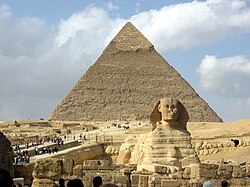
- Key Landmarks: Home to the Great Sphinx and the Pyramids of Giza.
Predynastic Egypt (Pre-3150 BC)
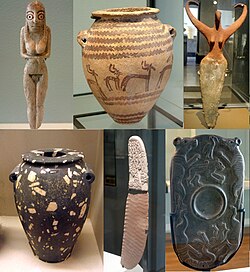
Long before the rise of the pharaohs, the Nile terraces and desert oases were home to early humans, evidenced by ancient petroglyphs. In the 10th millennium BC, the region saw a transition from a culture of hunter-gatherers and fishermen to one centered on grain-grinding. Around 6000 BC, climate shifts and overgrazing led to the desiccation of pastoral lands, contributing to the formation of the Sahara Desert.
This environmental change forced tribal populations to migrate toward the Nile River. Here, they established a settled agricultural economy, which laid the groundwork for a more centralized society.
Dynastic Egypt (3150–332 BC)
The Old and Middle Kingdoms
The unification of Egypt under King Narmer marked the beginning of the Dynastic period. While the Old Kingdom is famed for its monumental architecture, the subsequent First Intermediate Period brought roughly 150 years of political upheaval. Stability returned during the Middle Kingdom (c. 2040 BC), reaching a peak under Pharaoh Amenemhat III.
This prosperity was interrupted by a second period of disunity and the arrival of the Hyksos, a Semitic-speaking people who took control of Lower Egypt around 1650 BC and established their capital at Avaris. They were eventually expelled by Ahmose I, who founded the Eighteenth Dynasty and moved the capital to Thebes.
![The Narmer Palette depicts the unification of the Two Lands.[19]](/images/53/30/53305d3b2c9173f4b6924ed8f11e99752f8793413e106117751719ad6c72d3f5.jpg)
The New Kingdom and Late Period
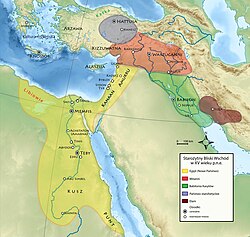
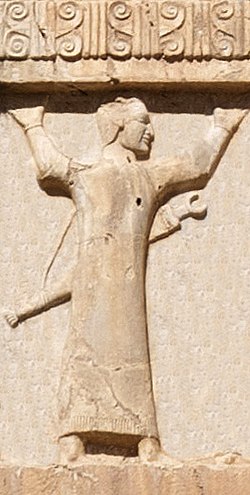
The New Kingdom represented a golden age of Egyptian power and expansion. However, the later periods saw a decline in indigenous control, leading to the Achaemenid (Persian) rule. The Thirty-first Dynasty (343–332 BC) served as a province of the Achaemenid Empire under Artaxerxes III, following a brief interval of independence under the 28th, 29th, and 30th dynasties.
Foreign Dominance: Greek, Roman, and Islamic Eras
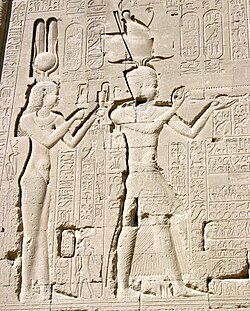
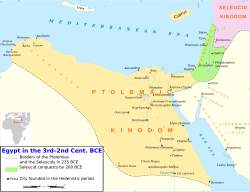
In 332 BC, Egypt entered the Greek period, most notably under the Ptolemaic Kingdom. This era ended with the rise of the Roman Empire, which integrated Egypt as a province and later a diocese. Following a brief Sassanid conquest, the region transitioned into Early Islamic Egypt.
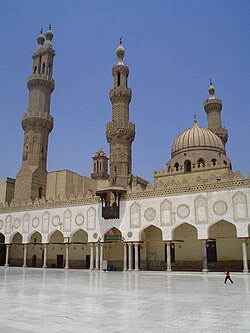
The medieval period was characterized by the rise and fall of various caliphates and sultanates, including the Fatimids, Ayyubids, and Mamluks. This era saw the construction of iconic structures like the Al-Azhar Mosque.
The Ottoman Period and Decline
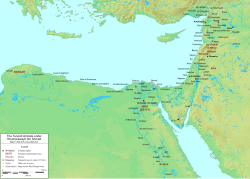
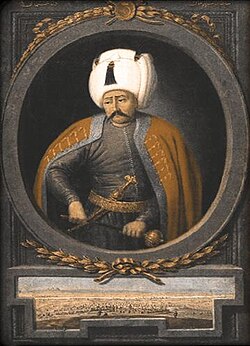
The Ottoman invasion in 1517 shifted Egypt's trajectory. Militarization damaged civil society and economic institutions, while the plague and Portuguese trade competition weakened the economy. The 17th and 18th centuries were marked by severe instability, including six famines between 1687 and 1731. A devastating famine in 1784 resulted in the loss of approximately one-sixth of the population.
Modern Egypt: From Monarchy to Republic
The Muhammad Ali Dynasty and British Rule
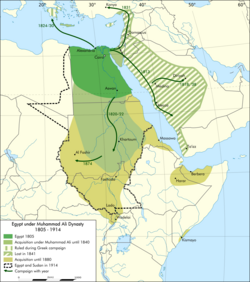
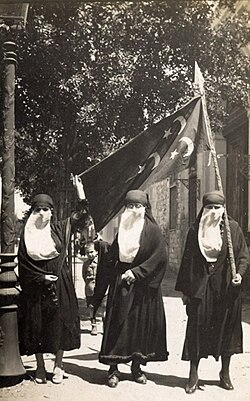
The Muhammad Ali dynasty sought to modernize the state, but by the late 19th century, Britain exerted control. Nationalist sentiment grew, particularly after the 1906 Dinshaway Incident. Led by Saad Zaghlul and the Wafd Party, a modern revolution erupted in 1919 after Zaghlul's exile to Malta. This pressure forced the UK to declare Egypt's independence on February 22, 1922.
The 1952 Revolution and the Nasser Era
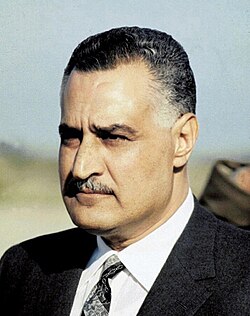
Despite a 1923 constitution, British influence and royal instability persisted. In 1952, the Free Officers Movement launched a military coup, forcing King Farouk to abdicate. Egypt became a republic in 1953. President Gamal Abdel Nasser took power in 1956, nationalizing the Suez Canal and triggering the Suez Crisis.
The Sadat and Mubarak Years
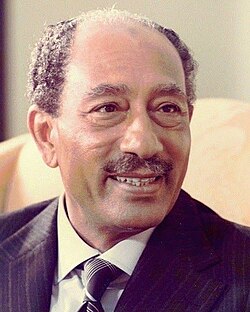
Following Nasser's death in 1970, Anwar Sadat assumed the presidency. He is best known for the 1979 peace treaty with Israel, which returned the Sinai Peninsula to Egypt but led to Egypt's temporary expulsion from the Arab League. Sadat was assassinated in 1981 and succeeded by Hosni Mubarak.
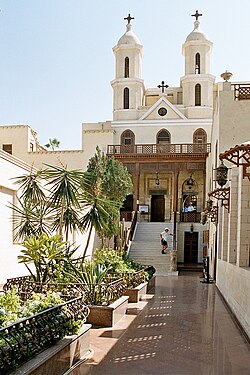
Mubarak's tenure was marked by a long period of stability but also a severe terrorist insurgency from the 1980s to the 2000s. Attacks targeted government officials, foreign tourists, and Copts, with a notable massacre of 62 people at the Mortuary Temple of Hatshepsut in 1997.
The 21st Century: Revolution and Transition
In 2011, mass protests in Tahrir Square led to the resignation of Hosni Mubarak. This sparked a period of intense political transition. In 2012, Mohamed Morsi became Egypt's first democratically elected president. However, his presidency was short-lived; following widespread protests on June 30, 2013, the army removed him from power.

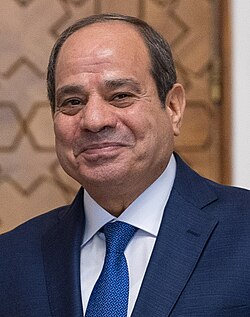
General Abdel Fattah el-Sisi, then head of the Armed Forces, announced Morsi's removal and the suspension of the constitution. After a transitional period, el-Sisi was elected president in June 2014 with 96.1% of the vote. He was re-elected in 2018, and in 2019, presidential terms were extended from four to six years.
Summary of Egyptian Historical Eras
| Era | Approximate Period | Key Characteristic/Event |
|---|---|---|
| Predynastic | Pre-3150 BC | Transition to settled agriculture along the Nile. |
| Dynastic | 3150–332 BC | Unification by Narmer; Old, Middle, and New Kingdoms. |
| Greco-Roman | 332 BC – 642 AD | Ptolemaic Kingdom followed by Roman province status. |
| Islamic/Medieval | 642–1517 AD | Rule by various Caliphates and Sultanates. |
| Ottoman/Modern | 1517–1953 AD | Ottoman rule, Muhammad Ali dynasty, and British protectorate. |
| Republican | 1953–Present | Transition from Nasser to the current presidency of el-Sisi. |
Frequently Asked Questions
Who unified Egypt for the first time?
King Narmer is credited with unifying Egypt around 3150 BC, marking the beginning of the Dynastic period.
What was the significance of the 1952 Revolution?
The 1952 Revolution, led by the Free Officers Movement, ended the monarchy by forcing King Farouk to abdicate and transitioned Egypt into a republic in 1953.
Why was the 1979 peace treaty controversial?
While supported by most Egyptians for returning the Sinai Peninsula, Anwar Sadat's peace treaty with Israel led to Egypt's expulsion from the Arab League due to opposition in the Arab world.
Who was the first democratically elected president of Egypt?
Mohamed Morsi was the first democratically elected president, taking office in June 2012 before being removed by the military in 2013.
How long are presidential terms in modern Egypt?
As of 2019, the Egyptian parliament extended presidential terms from four years to six years.