Ranunculaceae: A Comprehensive Overview of the Buttercup Family
The Ranunculaceae family, commonly known as the buttercup or crowfoot family, is a diverse and widespread group of flowering plants. From the delicate blooms in a garden to woody climbers in the wild, this family plays a significant role in global ecosystems. The name itself is derived from the Latin rānunculus, meaning "little frog," a nod to the habitats many of these plants inhabit.
As of February 2026, the World Flora Online recognizes 53 genera and over 3,700 species within this family. It is a group characterized by its vast variety, ranging from small herbaceous perennials to climbing vines and even shrubs.
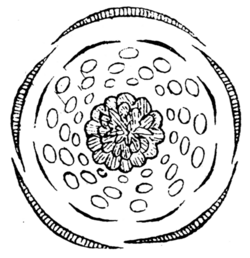
Key Facts
- Common Names: Buttercup or crowfoot family.
- Diversity: Over 3,700 species across 53 genera.
- Largest Genera: Ranunculus (>1,600 species), Delphinium (>500 species), and Clematis (~400 species).
- Toxicity: Many members contain protoanemonin, which can cause skin blistering or gastrointestinal irritation.
- Growth Forms: Mostly herbaceous annuals or perennials, but includes woody climbers and shrubs.
Botanical Characteristics and Morphology
Members of the Ranunculaceae family exhibit a wide array of physical forms. Most are herbaceous (non-woody) plants, though some, like Clematis, are woody climbers, and others, like Xanthorhiza, are shrubs. Their leaves are highly variable, often appearing as compound or lobed structures, and can be arranged alternately, oppositely, or in whorls along the stem.
Flower Structure
The flowers of this family are typically bisexual (containing both male and female reproductive organs) and can range from highly showy to quite inconspicuous. While most flowers are radially symmetrical, certain genera like Aconitum and Delphinium exhibit bilateral symmetry. A defining feature of many species is that the sepals, petals, stamens, and carpels are generally free rather than fused.
In some instances, the floral parts serve unique roles. For example, in the genus Thalictrum, the sepals may become colorful and petal-like (petaloid), while the actual petals may be absent. In other genera like Aquilegia and Helleborus, certain stamens are modified specifically to produce nectar.
Reproduction and Fruit
Pollination methods vary across the family. Some species utilize entomophily (pollination by insects), while others, such as certain members of Thalictrum, use anemophily (wind pollination). The resulting fruits are most commonly achenes (small, dry, one-seeded fruits) or follicles, though the genus Actaea produces berries.
Taxonomy and Classification
The classification of Ranunculaceae has evolved significantly through various botanical studies. According to the Angiosperm Phylogeny Group (APG), the family is a monophyletic group (descended from a common ancestor) within the order Ranunculales and the clade of eudicots.
Modern molecular phylogenetic analysis—the study of evolutionary relationships through genetic data—has helped refine the family's structure. Current research suggests the family is divided into several major clades. While the subfamily Ranunculoideae is the largest, containing about 81% of the family's species, other significant subfamilies include Thalictroideae, Coptidoideae, Hydrastidoideae, and Glaucidioideae.
Phytochemistry and Safety
It is important to note that many Ranunculaceae species possess chemical defenses. Many contain protoanemonin, a substance toxic to both humans and animals. Direct contact with the sap can lead to skin inflammation and blistering, while ingestion can cause vomiting, diarrhea, and mouth irritation. Additionally, some species, such as Aconitum carmichaelii, contain potent toxic alkaloids like aconitine.
Uses of Ranunculaceae
Despite their toxicity, many species are highly valued. Over 30 species are used in traditional medicines, including Hydrastis canadensis and Helleborus niger. In horticulture, genera such as Aquilegia (columbine), Delphinium (larkspur), and Clematis are staples in flower gardens worldwide. Furthermore, the seeds of Nigella sativa are utilized as a spice in various cuisines.
Summary of Family Composition
| Subfamily | Approximate Species Count | Notable Genera |
|---|---|---|
| Ranunculoideae | 2,525 | Ranunculus, Delphinium, Clematis |
| Thalictroideae | 450 | Thalictrum, Aquilegia |
| Coptidoideae | 17 | Various |
| Hydrastidoideae | 1 | Hydrastis |
| Glaucidioideae | 1 | Glaucidium |
Frequently Asked Questions
Are all buttercups toxic?
Many members of the Ranunculaceae family contain toxic compounds like protoanemonin or alkaloids. Contact with sap can cause skin irritation, and ingestion can lead to significant gastrointestinal distress.
What are the largest genera in this family?
The largest genus is Ranunculus, with more than 1,600 species, followed by Delphinium with over 500 species, and Clematis with nearly 400 species.
How do Ranunculaceae plants reproduce?
They reproduce through seeds contained in fruits like achenes or follicles. Some species, such as Ficaria verna, can also reproduce vegetatively using root tubers.
Can Ranunculaceae be used in cooking?
While many species are toxic, Nigella sativa is a notable exception, as its seeds are used as a spice in Indian and Middle Eastern cooking.
How old is the Ranunculaceae family?
The fossil record shows that the oldest confirmed representative is Paleoactaea nagelii, which dates back to the Upper Paleocene of North Dakota. There are no confirmed fossils from before the Tertiary period.