Psychedelia: The Art, Music, and Culture of Altered Consciousness
Psychedelia refers to a distinct aesthetic and cultural movement that emerged in the 1960s, mirroring the experiences produced by psychoactive substances. This movement encompasses a wide array of artistic expressions, including music, fashion, and visual arts, all designed to recreate or reflect the state of altered consciousness. While deeply rooted in the use of substances like LSD, mescaline, and psilocybin, the subculture also attracted non-users who were drawn to its creative exuberance and rebellious spirit.
At its core, a psychedelic experience is defined by the perception of previously unknown aspects of the mind or a sense of liberation from ordinary mental constraints. These states can manifest as hallucinations, synesthesia (a blending of the senses), hypnotic trances, or mystical states of awareness.
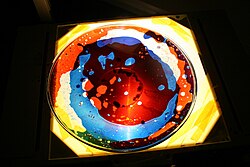
Key Facts
- Origin: The term was coined in 1956 by psychiatrist Humphry Osmond.
- Etymology: Derived from the Greek psychḗ (soul/mind) and dēleín (to manifest), meaning "mind manifesting."
- Epicenter: San Francisco, California, was a primary hub, particularly the Haight-Ashbury neighborhood.
- Key Figures: Influential figures include Timothy Leary, Ken Kesey, and Owsley Stanley.
- Visual Traits: Characterized by distorted visuals, bright fluorescent colors, and surreal imagery.
The History and Evolution of Psychedelic Culture
The movement gained significant momentum in mid-1960s California. In San Francisco, the establishment of the first major underground LSD factory by Owsley Stanley provided the chemical catalyst for a burgeoning scene of students from Berkeley and various free thinkers.
From 1964, novelist Ken Kesey and a group known as the Merry Pranksters hosted the "Acid Tests." These events combined LSD use with improvised music—termed the psychedelic symphony—and elaborate light shows. The Pranksters further popularized the movement by traveling across America in a vividly decorated school bus named "Further," distributing drugs and connecting with the beat movement.
By 1967, the "Summer of Love" pushed psychedelic culture into the mainstream, cementing its influence on Western society throughout the 1970s. This expansion was aided by figures like Michael Hollingshead, who helped export these ideas from London to the United States.
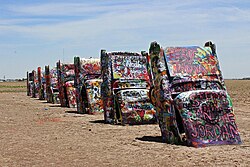
Psychedelic Visual Art and Design
The visual language of psychedelia was driven by technological leaps in the 1960s. The shift from traditional lithography to offset printing allowed artists to experiment with mixed media collage, metallic foils, and DayGlo (fluorescent) inks.
Graphic Arts and Typography
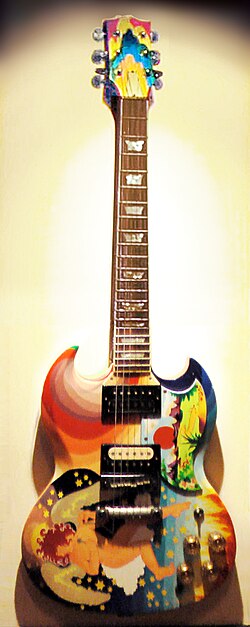
Artists like Rick Griffin developed idiosyncratic, complex lettering and highly distorted visuals to evoke altered states. In London, the design duo Hapshash and the Coloured Coat and the collective The Fool became prominent, creating album art and clothing for bands such as The Beatles and Cream.
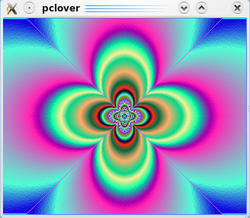
Psychedelic Aesthetics in Daily Life
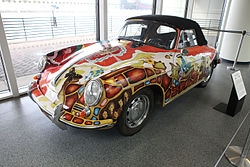
The aesthetic extended beyond posters to fashion and transportation. Notable examples include:
- The "Further" Bus: The Merry Pranksters' primary vehicle, painted in bold primary colors.
- Celebrity Vehicles: Janis Joplin's Porsche 356C and John Lennon's Rolls-Royce, which was repainted in a gypsy caravan style.
- The Apple Boutique: A short-lived London store where The Fool applied psychedelic designs to clothing and decor.
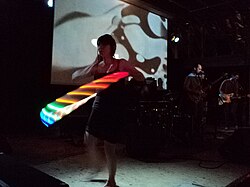
The Sound of Psychedelia
Psychedelic music, specifically psychedelic rock, sought to sonically replicate the drug experience. This was achieved through the use of distorted electric guitars, electronic effects, and heavy reverb.
Musicians often integrated Eastern influences, such as the sitar and tabla from Indian music, to create drones and ragas. Studio innovation played a massive role, with engineers playing tapes backward or using panning techniques to move sound between speakers. While the 13th Floor Elevators popularized the term with their 1966 album, the style became a global phenomenon following the Summer of Love.
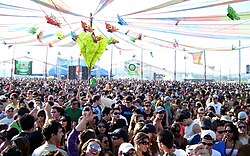
In more recent decades, the electronic dance music (EDM) scene has maintained a link to psychedelics, particularly MDMA, through the British acid house and rave cultures, though these are distinct from the original 1960s movement.
Summary of Psychedelic Elements
| Category | Key Characteristics | Notable Examples/Tools |
|---|---|---|
| Visual Art | Distorted visuals, DayGlo colors, surrealism | Rick Griffin, The Fool, Offset printing |
| Music | Reverb, backward tapes, Eastern instruments | Sitar, 13th Floor Elevators, Psychedelic Rock |
| Culture | Counterculture, liberation, experimentation | Merry Pranksters, Summer of Love |
| Substances | Hallucinogens, entheogens | LSD, Psilocybin, Mescaline |
Modern Research and Conferences
Interest in psychedelic consciousness has seen a scientific resurgence. Since 2004, organizations like Entheogenesis Australis have hosted conferences on ethnobotany. In the US, MAPS began hosting Psychedelic Science conferences in 2013 to focus on medical and scientific research, while the charity Breaking Convention has hosted multidisciplinary conferences in London since 2011.
Frequently Asked Questions
Who coined the term "psychedelic"?
The term was coined in 1956 by psychiatrist Humphry Osmond as a descriptor for hallucinogenic drugs used in psychotherapy.
What does the word "psychedelic" actually mean?
It is derived from the Greek words psychḗ (soul or mind) and dēleín (to manifest), literally meaning "mind manifesting."
How did the Merry Pranksters influence the movement?
They popularized LSD use through the "Acid Tests" and their cross-country travels in the decorated "Further" bus, bridging the gap between the beat movement and the hippie era.
What are the hallmarks of psychedelic music?
Key hallmarks include the use of distorted guitars, Indian instruments like the sitar, and studio effects such as backward tape loops and audio panning.
What was the significance of the "Summer of Love"?
Occurring in 1967, the Summer of Love popularized hippie culture and psychedelia, moving the movement from underground subcultures into the global mainstream.