1960s Counterculture: The Era of Social Rebellion and Artistic Revolution
The mid-1960s to early 1970s witnessed a global phenomenon known as the counterculture—a cultural movement that rejected the established social norms of the time. From the streets of London to the campuses of California, a generation of youth sought to redefine existence through peace, artistic experimentation, and political activism. This era was not merely a trend in fashion or music, but a fundamental challenge to the geopolitical and social structures of the post-war world.
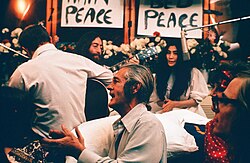
The movement was visually anchored by the peace symbol, originally designed by the Campaign for Nuclear Disarmament in the UK, which became a universal emblem for those opposing violence and nuclear proliferation.
Key Facts
- Timeline: Primarily spanned from the mid-1960s to the early 1970s.
- Scope: A worldwide movement with significant hubs in Western Europe, North America, Australia, and Latin America.
- Core Drivers: Opposition to the Vietnam War, the nuclear arms race, and rigid middle-class social conventions.
- Cultural Pillars: Psychedelic research, the sexual revolution, and the rise of alternative media.
- Key Ideologies: Feminism, environmentalism, gay liberation, and the New Left.
The Foundations of Rebellion
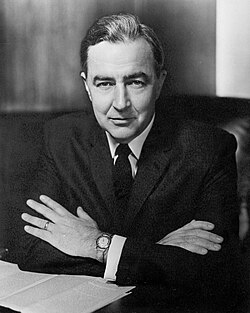
![Herbert Marcuse, associated with the Frankfurt School of critical theory, was a libertarian socialist thinker who influenced the New Left radical student movements of the era.[102]](/images/ae/b2/aeb265a606ddb38093377a0678eb9d13c609f885c3fdc31ab3618272f4dc096a.jpg)
Post-War Geopolitics and Social Unrest
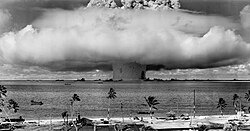
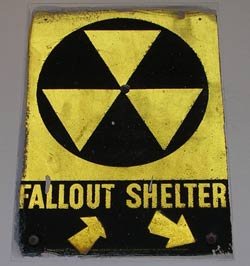
The counterculture emerged from the tension of the Cold War. The fear of nuclear annihilation and the geopolitical struggle between superpowers created a backdrop of anxiety. This environment fueled the anti-nuclear movement and a general distrust of government authority.
The Impact of Emergent Media
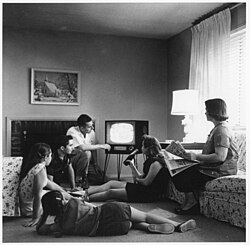
The proliferation of television brought the realities of war and social injustice directly into living rooms, altering public perception. Simultaneously, the rise of new cinema and FM radio provided a platform for voices that were previously ignored by mainstream media.
Social and Political Movements
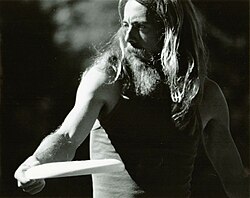
The New Left and Free Speech
The New Left represented a shift in political activism, focusing on social issues rather than just economic ones. This was epitomized by the Free Speech Movement, where students demanded the right to political expression on campus.
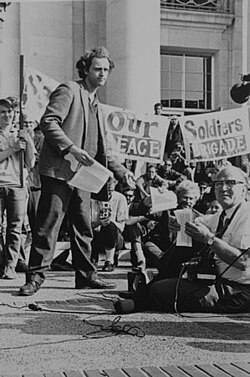
Civil Rights and Ethnic Movements
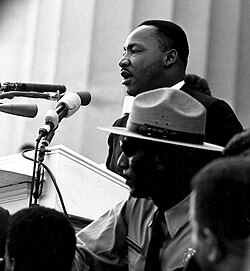
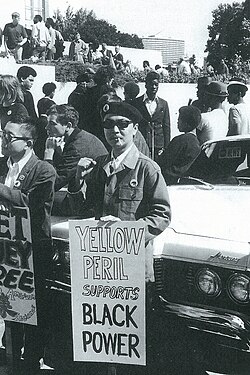
The era was defined by a fierce push for racial equality. The Civil Rights Movement, led by figures like Martin Luther King Jr., and the activism of the Black Panther Party sought to dismantle systemic racism and segregation.
Anti-War Activism
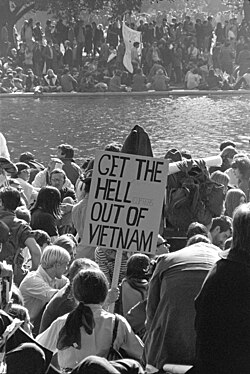
The Vietnam War served as a primary catalyst for youth mobilization. Protests became widespread as a generation questioned the morality of the conflict and the draft, leading to a surge in pacifism.
Cultural Transformation and Lifestyles
Psychedelics and the Mind
Research into psychedelics (mind-altering substances) began in the 1940s and 50s at institutions like Harvard University. By the 1960s, figures like Timothy Leary and Ken Kesey (along with his Merry Pranksters) promoted these substances as tools for expanding consciousness.
The Hippie Subculture and the Sexual Revolution
The "Hippie" lifestyle emphasized communal living, "free love," and a rejection of materialism. This coincided with the sexual revolution, which challenged traditional views on marriage and gender roles, supported by the rise of feminism and gay liberation.
Music, Art, and Alternative Expression
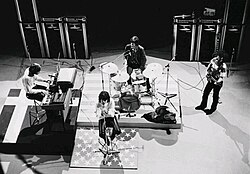
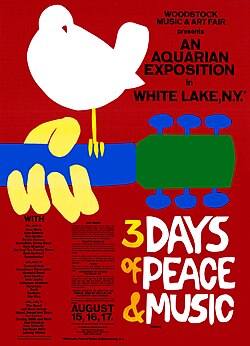
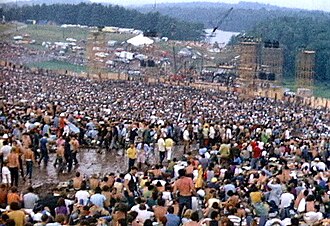
Music became the heartbeat of the movement. From the psychedelic sounds of Jimi Hendrix and The Doors to the protest songs of Bob Dylan and Joan Baez, music served as both a medium for art and a tool for activism. The Woodstock festival of 1969 remains the definitive symbol of this era's spirit.

Alternative Media and Technology
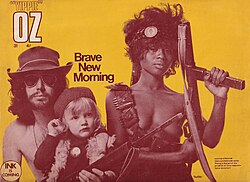
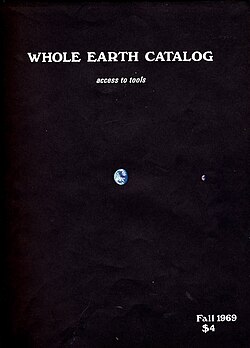
The era saw the birth of underground comix, alternative newspapers, and the Whole Earth Catalog, which bridged the gap between countercultural values and early technological optimism.
Legacy and Influence
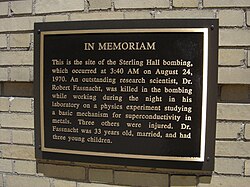
While the movement faced criticism and experienced violent clashes—such as the Sterling Hall bombing—its influence persists. It paved the way for modern environmentalism, gender equality, and the digital revolution.
| Category | Key Focus | Notable Figures/Examples |
|---|---|---|
| Political | Anti-war, Civil Rights, New Left | MLK Jr., Angela Davis, Mario Savio |
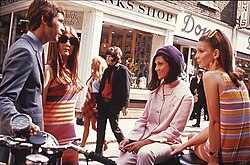
| Cultural | Psychedelia, Hippie lifestyle, Mod | Timothy Leary, Ken Kesey, Mary Quant |
| Artistic | Psychedelic Rock, Avant-garde art | Jimi Hendrix, Andy Warhol, Bob Dylan |
| Social | Feminism, Gay Liberation, Environmentalism | Gloria Steinem, Rachel Carson, Betty Friedan |
Frequently Asked Questions
What was the primary goal of the 1960s counterculture?
The primary goal was to challenge and replace the established social, political, and cultural norms of the post-WWII era, advocating for peace, individual freedom, and social justice.
How did psychedelics influence the movement?
Psychedelics were viewed by proponents as a means to expand consciousness and break free from societal conditioning, often linked to the artistic and spiritual explorations of the time.
What role did the Vietnam War play in the counterculture?
The war acted as a catalyst for mass mobilization, uniting various groups under an anti-war banner and fostering a deep distrust of government authority.
Who were the "Merry Pranksters"?
The Merry Pranksters were a group led by author Ken Kesey who engaged in psychedelic experimentation and traveled across the US, blending art, drugs, and performance.
What was the "New Left"?
The New Left was a broad political movement that shifted focus from traditional labor-based socialism to issues of alienation, racial equality, and student rights.