Princeton Station Relocation and the Save the Dinky Controversy
The intersection of urban redevelopment and historic transit preservation often leads to significant community friction. In Princeton, this tension manifested as a long-standing dispute over the relocation of the local train station to make room for a new university arts center. What began as a construction plan evolved into a legal and social battle involving students, faculty, and rail advocates.
The Proposal for Change
In 2006, Princeton University announced plans to construct a new arts center. To facilitate this development, the university proposed replacing the original 1918 station house, shortening the trackage right-of-way, and establishing a new terminus located 460 feet (140 m) to the south.
While the university viewed the move as a necessary improvement for neighborhood redevelopment, the proposal met immediate resistance. Rail advocates and community members feared that moving the station would make access less convenient, leading to a drop in ridership that could potentially threaten the continued existence of the train service.
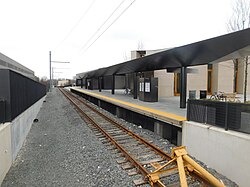
The Rise of Save the Dinky
The opposition to the relocation led to the formation of Save the Dinky, an organization comprising residents, students, faculty, and alumni dedicated to preserving the station's original location. The conflict escalated into a series of legal and administrative challenges:
- October 2010: The Princeton Regional Planning Board passed a resolution supporting the continuation of train service.
- October 2011: Save the Dinky and four local residents filed a lawsuit against Princeton University and NJ Transit (NJT) to halt the relocation.
- Administrative Agreements: The borough, township, and university developed a memo of understanding. In this agreement, the university promised to fund a transit study and provide other benefits in exchange for the rezoning required for the combined arts and transit project.
Historic Preservation and Legal Battles
The station house has been owned by Princeton University since 1984, following its purchase from NJT. This transfer included guarantees of public use. The building's significance was recognized in 1984 when it was listed on the state historic register (ID#1742) and included in a thematic survey for the National Register of Historic Places.
In 2012, NJT requested that the state Historic Preservation Office allow the abandonment of that public use. Save the Dinky argued that the relocation would breach the original 1984 transfer agreement, result in poor urban planning, and cause significant inconvenience to commuters.
Despite these objections, the project gained official momentum. In December 2012, the Regional Planning Board approved the project, and by June 2013, NJT approved a property transfer agreement involving three parcels of land around the station and the proposed arts center. The U.S. Surface Transportation Board also declined a petition to review the move.
Outcome and Ridership Impact
The legal challenges faced a series of dismissals in the New Jersey court system. The original 2011 lawsuit was dismissed in December 2013, followed by a rejected appeal in March 2014, a petition in July 2014, a challenge against the Regional Planning Board in January 2015, and two final appeals in February 2016.
Following the relocation, data indicated a shift in usage. As of 2017, weekday ridership had decreased by 20 percent compared to 2012, which was the final full year of operation for the old station.
Key Facts
- Relocation Distance: The new terminus was moved 460 feet (140 m) south of the original site.
- Historic Status: The 1918 station house is listed on the state historic register (ID#1742).
- Ownership: Princeton University purchased the station house from NJT in 1984.
- Ridership Decline: Weekday ridership dropped 20% between 2012 and 2017.
- Legal Result: All lawsuits and appeals filed by Save the Dinky and residents were dismissed between 2013 and 2016.
| Year | Event | Outcome/Detail |
|---|---|---|
| 2006 | University Announcement | Plan to build arts center and move station south. |
| 2010 | Planning Board Resolution | Support for continued train service. |
| 2011 | Lawsuit Filed | Save the Dinky sues University and NJT. |
| 2012 | Project Approval | Regional Planning Board approves the project. |
| 2013 | Property Transfer | NJT approves transfer of three parcels to the university. |
| 2013-2016 | Legal Dismissals | Courts dismiss lawsuit and multiple subsequent appeals. |
| 2017 | Ridership Report | 20% decrease in weekday ridership since 2012. |
Frequently Asked Questions
Why did Princeton University want to move the station?
The university intended to construct a new arts center and believed the relocation was a necessary improvement for the redevelopment of the surrounding neighborhood.
What was the primary concern of the Save the Dinky organization?
The organization feared that the new station location would be less convenient for passengers, leading to decreased ridership and potentially threatening the existence of the train service.
Was the original station house historically significant?
Yes, the 1918 station house was listed on the state historic register (ID#1742) and was included in a thematic survey for the National Register of Historic Places.
Did the legal challenges stop the relocation?
No. The New Jersey court system dismissed the initial 2011 lawsuit and several subsequent appeals and petitions between 2013 and 2016.
How did the move affect train usage?
By 2017, weekday ridership had declined by 20 percent compared to 2012, the last full year the old station was in use.