NJ Transit: Powering New Jersey's Regional Connectivity
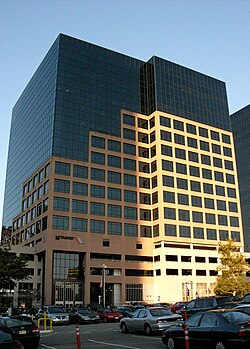
NJ Transit (New Jersey Transit Corporation) serves as the backbone of public transportation for the state of New Jersey. As a state-owned system, it provides critical links between residential communities and major commercial hubs, extending its reach into portions of New York and Pennsylvania. By integrating bus, light rail, and commuter rail services, NJ Transit ensures that millions of residents can access employment and services in the metropolitan areas of New York City and Philadelphia.
With an annual ridership reaching 221,114,200 in 2025, the network is one of the most heavily utilized transit systems in the United States, managed under the leadership of Chief Executive Kris Kolluri from its headquarters in Newark.
Key Facts
- Annual Ridership: 221,114,200 (2025).
- Network Scope: Operates 12 commuter rail lines, 3 light rail systems, and 253 bus routes.
- Infrastructure: Manages 165 rail stations, 86 light rail stations, and nearly 16,000 bus stops.
- Fleet Size: A combined fleet of over 3,000 vehicles across rail and bus modes (2023).
- Operational Reach: Connects New Jersey to New York City and Philadelphia.
System Overview and Operations
NJ Transit employs a multi-modal approach to transportation, ensuring coverage across diverse geographic terrains and population densities.
Commuter Rail
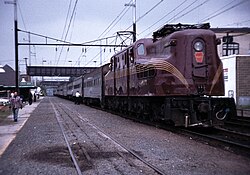
The commuter rail system is the primary artery for long-distance travel within the state. It consists of 12 lines, including the Northeast Corridor, the North Jersey Coast Line, and the Raritan Valley Line. These services connect various New Jersey municipalities to major terminals such as New York Penn Station and Hoboken Terminal.
Light Rail and Bus Services
For shorter, urban trips, NJ Transit operates three light rail systems, including the Hudson-Bergen Light Rail. Complementing the rail network is an extensive bus operation featuring 253 routes. This includes specialized subsidiaries like NJ Transit Mercer and NJ Transit Morris, as well as partnerships with private operators such as Coach USA and Academy to expand coverage.
Historical Evolution
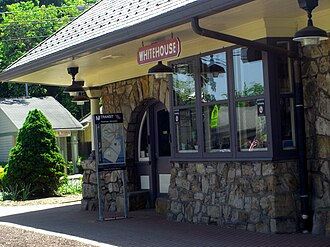
NJ Transit began operations on July 17, 1979. A pivotal moment occurred in 1983 when the agency assumed control of all commuter rail services from Conrail, a entity formed from several financially struggling railroads. Since this transition, rail ridership has quadrupled.
The 1990s and early 2000s saw significant modernization, including the introduction of Midtown Direct service to New York City. Key infrastructure milestones include the opening of the Newark Liberty International Airport station in 2001 and the Secaucus Junction transfer station in 2003, which streamlined transfers between Hoboken and Manhattan.
Challenges and Resilience
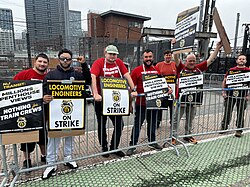
The system has faced significant disruptions over the decades. In October 2012, Hurricane Sandy caused severe flooding at the rail operations center, damaging 65 locomotive engines and 257 rail cars. More recently, in May 2025, a strike by the Brotherhood of Locomotive Engineers and Trainmen temporarily suspended the entire rail network due to pay disputes, though service resumed on May 20 following a negotiated agreement.
Infrastructure and Future Projects
To meet growing demand, NJ Transit is engaged in several large-scale expansion and resilience projects:
- The Gateway Program: A massive effort including the Hudson Tunnel Project and the Portal Bridge Replacement Project to improve access to New York City.
- Light Rail Extensions: The Hudson-Bergen Light Rail is expanding via the Northern Branch and Route 440 extensions to improve access in Jersey City.
- Glassboro–Camden Line: A project aimed at enhancing connectivity in South Jersey.
- Lackawanna Cut-Off Restoration: An effort to restore service from Port Morris to Andover to serve exurban communities.
System Summary
| Mode | Number of Lines | Stations/Stops | Vehicle Count (2023) |
|---|---|---|---|
| Commuter Rail | 12 | 165 | 1,231 |
| Light Rail | 3 | 86 | 93 |
| Bus | 253 | 15,991 (stops) / 26 (terminals) | 3,052 (Total) |
Frequently Asked Questions
Who manages NJ Transit?
NJ Transit is a state-owned public transportation system managed by the New Jersey Transit Corporation, currently led by Chief Executive Kris Kolluri.
What is the purpose of Secaucus Junction?
Opened in 2003, Secaucus Junction serves as a major transfer hub, allowing passengers to switch between trains heading to Hoboken Terminal and those heading to New York Penn Station, reducing travel time by approximately 15 minutes.
Which other rail services operate in New Jersey?
While NJ Transit operates most passenger lines, other services include Amtrak, PATH (Port Authority Trans-Hudson), PATCO Speedline, and specific SEPTA Regional Rail lines (West Trenton and Trenton lines).
What happened during the 2025 rail strike?
On May 16, 2025, the Brotherhood of Locomotive Engineers and Trainmen went on strike over pay disputes, suspending all rail service. An agreement was reached on May 18, and full service resumed on May 20 after safety inspections.
What is the Gateway Program?
The Gateway Program is a series of critical infrastructure projects, including the Hudson Tunnel Project and the Portal Bridge Replacement, designed to increase rail capacity and reliability between New Jersey and New York City.