Pow Wow Traditions: A Comprehensive Look at Native American Dance and Etiquette
A pow wow is a vibrant celebration of Indigenous culture, music, and dance. Rooted in the traditions of the Great Plains nations of Canada and the United States, these events serve as powerful gatherings for community, spirituality, and the preservation of heritage. From the rhythmic beat of the drums to the vivid colors of the regalia, every element of a pow wow carries deep meaning and historical significance.
The Layout and Setup of a Pow Wow
The physical organization of a pow wow is designed around a series of concentric circles. At the heart of the event is the dance arena, the central circle where the performances take place. Surrounding this is a larger circle that houses the Master of Ceremonies (MC) table, the drum groups, and designated seating for the dancers and their families.
Beyond the participant area, spectators gather to watch the events. The outermost perimeter is typically reserved for vendor booths, where visitors can purchase traditional arts and crafts, beadwork, leather goods, jewelry, music, food, and supplies for regalia.
For outdoor events, these circles are often sheltered by tents or committee-built arbors. Protection from the elements is critical, particularly for the drums. Because drums are sensitive to temperature changes and cannot get wet, they are prioritized for shelter to ensure the music continues uninterrupted.
Key Facts
- Regalia: The traditional clothing worn by dancers; it is never referred to as a "costume."
- Grand Entry: The sacred opening ceremony led by the Eagle Staff.
- The Drum: The heartbeat of the pow wow, providing the rhythm and songs for all dances.
- Intertribal: A dance open to all participants regardless of their specific dance style.
- Sacredness: Certain tribes, such as the Hopi and Pascua Yaqui, prohibit photography during ceremonies.
Pow Wow Etiquette and Protocol
Respect is the cornerstone of pow wow etiquette. Visitors and participants are expected to follow specific guidelines to honor the traditions. One of the most important rules is the terminology used for clothing: the attire is called regalia, reflecting its spiritual and cultural importance.
Courtesy extends to the equipment and the people. Guests should never touch or play the drums unless they are members of the drum group, nor should they touch other people or their regalia without explicit permission. Additionally, photography and sketching are restricted during certain ceremonies depending on the tribe.
The Opening Ceremony: The Grand Entry
Every pow wow session begins with the Grand Entry, a sacred procession. The Eagle Staff leads the way, followed by flags and the dancers, accompanied by an opening song from one of the host drums.
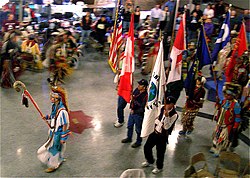
Military veterans and active-duty service members are frequently honored with the responsibility of carrying the flags and eagle staffs. They are followed by the head dancers, and then the remaining dancers enter in a specific order: Men's Traditional, Men's Grass Dance, Men's Fancy, Women's Traditional, Women's Jingle, and Women's Fancy. Teens and children follow in the same sequence.
Following the entry, the MC invites a respected community member to offer an invocation. A second host drum then performs a Flag Song, followed by a Victory or Veterans' Song, as the flags and staffs are placed at the MC's table.
Understanding the Dance Styles
While many dances are open to all (intertribal), others are specific to certain styles and age groups. In contest dances, participants must wear regalia appropriate for their category to compete for cash prizes.
Men's Dance Categories
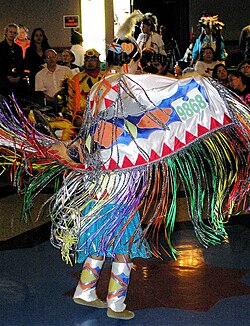
- Fancy Dance (Northern and Southern): Known for dramatic leaps, spins, and vivid regalia featuring two large bustles on the back.
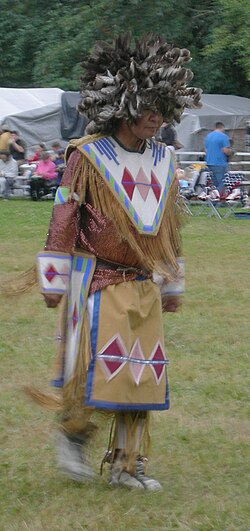
- Northern Traditional: A storytelling dance mimicking a warrior scouting. Regalia includes a single eagle feather bustle, ribbon shirt, breastplate, and a dance staff.
- Straight Dance (Southern Traditional): A precise walking motion where the dancer taps the ball of the foot and then the heel. It requires great rhythm to stay in time with fast drums.
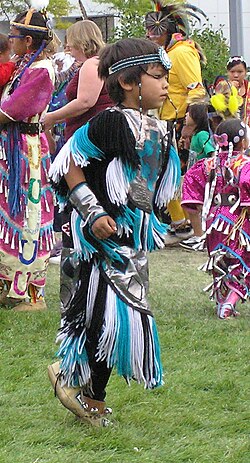
- Grass Dance: Features long, flowing fringe that resembles grass blowing in the wind, with movements more elaborate than traditional but less flashy than fancy.
- Chicken Dance: Originating from Northern Plains tribes, this dance imitates the prairie chicken's mating ritual with rocking head movements and spins.
- Eastern War Dance: A storytelling dance from the East Coast (also called Eastern Strait Dance) where dancers carry a fan and stick but wear no bustle.
Women's Dance Categories
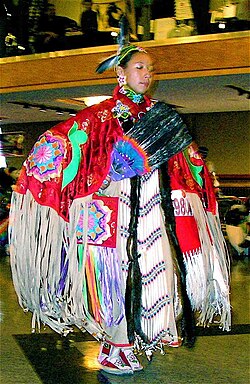
- Traditional (Northern): Characterized by cloth or leather regalia and precise, controlled movements.
- Buckskin and Cloth (Southern): Similar to Northern Traditional, but judged in two separate categories based on the material of the dress.
- Fancy Shawl: A high-energy dance featuring brilliant colors and a long, fringed shawl used during rapid spins.
- Jingle Dress: A healing dance featuring a skirt adorned with hundreds of small tin cones that create a rhythmic sound during light footwork.
Specialized and Group Dances
Beyond individual competitions, pow wows feature social and group dances. The intertribal, round dance, crow hop, double beat, and sneakup are open to all. Couples may perform the two step (following head dancers in a line) or the owl dance (dancing independently).
Group dances like the Snake and Buffalo dance mimic animal movements. Additionally, in areas with strong Southern Plains influence, the Gourd Dance—a society dance for veterans and their families originating with the Kiowa tribe—is performed with the drum placed in the center of the arena.
Pow Wow Dance Summary
| Category | Dance Style | Key Regalia Feature | Movement Style |
|---|---|---|---|
| Men's | Fancy Dance | Two large bustles | Dramatic leaps and spins |
| Men's | Grass Dance | Long, flowing fringe | Fluid, grass-like motion |
| Men's | Northern Traditional | Single bustle, dance staff | Warrior scouting/storytelling |
| Women's | Fancy Shawl | Fringed, colorful shawl | Rapid spins and elaborate steps |
| Women's | Jingle Dress | Tin cones on skirt | Light footwork, healing focus |
| Women's | Traditional | Cloth or leather dress | Precise and controlled |
Frequently Asked Questions
What is the difference between regalia and a costume?
Regalia refers to the traditional, often sacred, clothing worn by dancers that represents their heritage and identity. Calling it a "costume" is considered disrespectful as it implies the clothing is for dress-up rather than cultural significance.
Can anyone participate in the intertribal dance?
Yes, the intertribal is an open dance where anyone who wishes to dance may enter the arena when the Drum sings a corresponding song.
Why is the Grand Entry considered sacred?
The Grand Entry is the formal opening of the session, led by the Eagle Staff and flags, symbolizing the spiritual and communal beginning of the event. Because of its significance, some pow wows restrict photography during this time.
What is the purpose of the Jingle Dress dance?
The Jingle Dress dance is known as a healing dance, characterized by the sound of tin cones on the dress and light footwork close to the ground.
Who leads the Grand Entry?
The Eagle Staff leads the Grand Entry, often carried by military veterans or active-duty service members as a mark of honor.