Pop Rock: History, Characteristics, and the Great Authenticity Debate
Pop rock is a versatile musical style that blends the energy of rock and roll with the polished songwriting and production values of popular music. Unlike standard rock, which often prioritizes raw attitude and rebellion, pop rock places a greater emphasis on professional songwriting and recording craft. Emerging in the late 1950s, it served as a melodic alternative to the harder edges of early rock and roll.
From its early influences in doo-wop and the beat to its modern iterations in indie rock, pop rock has consistently bridged the gap between commercial accessibility and instrumental power. While some critics view it as a commercial product, its influence on the global music landscape is undeniable.
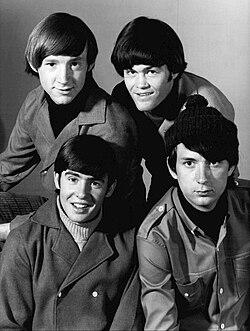
Key Facts
- Origins: Emerged in the late 1950s, influenced by rock and roll and doo-wop.
- Core Focus: Prioritizes professional recording craft and songwriting over raw attitude.
- Key Artists: Represented by figures such as Paul McCartney, Peter Frampton, Andy Kim, and the Bells.
- Modern Terms: In the 2010s, "guitar pop rock" and "indie rock" became roughly synonymous.
- Defining Sound: "Jangle" is a common term used to describe the bright mood of guitar-driven pop rock.
Characteristics and Etymology
The line between pop and rock is often blurred, as both frequently share similar instrumentation and lyrical themes. Some experts, such as writer Johan Fornas, argue that pop rock is not a separate category but rather a "single, continuous genre field." Others, like Larry Starr and Christopher Waterman, define it specifically as an upbeat variety of rock music.
The term "pop" has evolved significantly over the decades. While it referred to popular music in general during the 1940s, by the mid-1950s, it described a specific genre aimed at the youth market—often seen as a softer alternative to rock and roll. Following the British Invasion around 1967, "pop" was increasingly used to describe music that was accessible, ephemeral, and rooted in traditional songwriting, contrasting it with the more experimental or aggressive nature of "rock."

Subgenres and Related Styles
Pop rock has branched into various derivative forms and fusion genres. These include power pop and jangle pop, as well as broader movements like Britpop, indie pop, and soft rock. It has also merged with other styles to create fusion genres such as pop metal, and influenced movements like new wave, pop-punk, and glam metal.
The Debate Over Authenticity
The distinction between pop and rock is often a subject of academic and critical debate. Philip Auslander suggests that this divide is more pronounced in the United States than in the UK. In the US, he notes that pop has roots in white crooners (such as Perry Como), while rock is rooted in African-American music and rock and roll. This creates a paradox where pop rock, by blending the two, challenges the idea that pop and rock are opposites.
A recurring theme in these debates is the concept of authenticity. Scholars like Simon Frith and Grossberg argue that pop is often dismissed as a "slickly commercial" or formulaic product. In contrast, rock is frequently heralded as a sincere, anti-commercial form of art that emphasizes instrumental virtuosity and original songwriting by the performers.
However, not all scholars agree with this framing. B. J. Moore-Gilbert argues that by adding the "rock" suffix to every new genre (such as "folk rock" or "pop rock"), historians have unfairly placed rock at the center of popular music, treating other influences as mere add-ons.
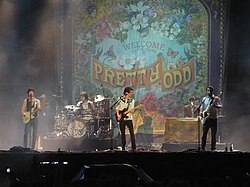
The 1970s Fragmentation
In the 1970s, the music market fragmented into many stylistic lines. Critic Robert Christgau described "pop-rock" during this era as a "monolith" that spanned various movements, including disco, funk, heavy metal, art rock, and singer-songwriter music, though he notably excluded punk rock from this categorization.
Pop Rock Summary
| Feature | Pop Rock | Standard Rock |
|---|---|---|
| Primary Emphasis | Songwriting and recording craft | Attitude and raw energy |
| Perceived Nature | Commercial, accessible, slick | Authentic, sincere, anti-commercial |
| Key Influences | Doo-wop, Beat music, Pop | African-American music, Rock and Roll |
| Common Subgenres | Power pop, Jangle pop, Britpop | Hard rock, Psychedelic rock, Punk |
Frequently Asked Questions
What is the main difference between pop rock and standard rock?
Pop rock focuses more on professional songwriting and polished production, whereas standard rock typically emphasizes raw attitude and a less commercial approach.
When did pop rock originate?
The genre originated in the late 1950s as an alternative to traditional rock and roll, drawing influence from the beat and doo-wop styles.
What does "jangle pop" refer to?
"Jangle" is a term used by music critics to describe guitar-based pop rock that possesses a bright, shimmering mood.
Why is pop rock sometimes criticized?
Detractors often view pop rock as a slick, commercial product that lacks the authenticity and sincerity associated with traditional rock music.
Is indie rock the same as pop rock?
As of the 2010s, the terms "guitar pop rock" and "indie rock" are considered to be roughly synonymous.