Polyandry in Animals: Mating Systems and Evolutionary Benefits
In the study of behavioral ecology—the branch of biology that examines the evolutionary basis for animal behavior—mating systems are categorized by how individuals pair during breeding seasons. One of the most intriguing systems is polyandry, a mating structure where one female mates with several males. This stands in contrast to polygyny, where a single male mates with multiple females, a common trait in species like lions, deer, and certain primates with alpha males.
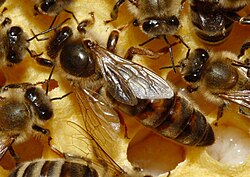
Polyandry is observed across a diverse array of taxa. In the insect world, it is prominent in honeybees, red flour beetles, adzuki bean weevils, field crickets (Gryllus bimaculatus), and the spider Stegodyphus lineatus. Among vertebrates, it appears in fish such as pipefish, approximately 1% of bird species (including dunnocks and jacanas), and various mammals, including bandicoots, the marsupial genus Antechinus, and primates like marmosets.
Key Facts
- Definition: Polyandry occurs when one female mates with multiple males in a single breeding season.
- Diversity: It is found in insects, spiders, fish, birds, and mammals.
- Fitness: In some species, such as acorn woodpeckers, polyandry maximizes fitness by ensuring an optimal clutch size.
- Cooperation: In Callitrichidae monkeys, polyandry is often linked to cooperative breeding and infant care.
- Convenience: Some species practice "convenience polyandry" to avoid the costs of male harassment.
Benefits and Costs of Multiple Mating
The evolutionary drivers of polyandry often involve a balance of costs and benefits regarding offspring viability and parental investment. In acorn woodpeckers, research indicates that polyandry is more behaviorally stable than polygyny. When paternity is shared among multiple males, the female can produce an optimal clutch size, which increases the overall fitness of the group. Conversely, polygynous trios often produce eggs exceeding the optimal size, which can actually lower group fitness.
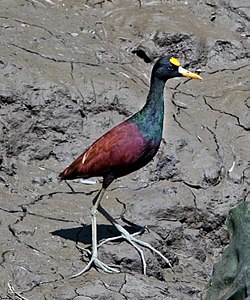
In wattled jacanas, females maintain a group of nearby males. Frequent copulation allows for sperm mixing, which may ensure that the most viable sperm fertilizes the eggs or increase the genetic diversity of the offspring, potentially improving disease resistance.
Other species have evolved specialized biological mechanisms to manage multiple mates. The redback spider (Latrodectus hasselti) uses spermathecae—specialized sperm-storage organs—to manipulate the paternity of its offspring. Similarly, leaf-cutting ants (Acromyrmex echinatior) exhibit complete sperm mixing, with the queen using stored sperm randomly during egg-laying.
Convenience Polyandry
Not all polyandry is driven by genetic gain. The Convenience Polyandry Hypothesis suggests that some females mate with multiple males simply because the cost of refusing a mating attempt is higher than the cost of mating. This is often seen in arthropods like water striders (Gerris buenoi), where females adjust their mating rates to balance the costs of male harassment, particularly when the females are physically weaker than the males.
Paternity Sharing and Parental Care
Polyandry can lead to increased offspring survival through shared parental duties. In the rhacaphorid frog (Kurixalus eiffingeri), males provide parental care by sitting on egg clutches. There is a significant correlation between a male's genetic contribution and his level of care; males with higher paternity attend to the eggs more diligently. By mating with multiple males, the female secures the aid of multiple parents, increasing the survival rate of the young.
In some environments, male cooperation outweighs the cost of sharing paternity. This is especially true in conditions of food scarcity or high competition for territory. For example, the comb-crested jacana (Irediparra gallinacea) shows evidence of paternity assurance, where females spend time in a specific male's territory to lay eggs, guaranteeing his genetic investment.
Exceptions and Variations
Polyandry does not always provide a fitness advantage. In green turtles, high levels of multiple paternity are common, but research by Lee and Hayes (2004) suggests there are no significant fitness gains associated with this behavior. Instead, multiple mating in green turtles appears to be a result of male aggression rather than a strategic choice by the female to improve reproductive success.
Polyandry in Callitrichidae Primates
The New World monkey family Callitrichidae, which includes tamarins and marmosets, exhibits a highly flexible social structure where polyandry is dominant. These groups typically consist of one reproductive female, one or more reproductive males, and several nonreproductive helpers.
Unlike most primates, these monkeys typically give birth to twins. The entire group—including the helpers—shares the responsibility of grooming, feeding, and carrying the infants. Research suggests that the presence of these nonreproductive helpers is the primary factor determining the mating system. In the saddle-back tamarin (Saguinus fuscicollis), for instance, no lone monogamous pairs have been observed attempting a breeding cycle, suggesting that cooperative polyandry is essential for their reproductive success.
| Species | Mating System | Primary Benefit/Driver |
|---|---|---|
| Acorn Woodpecker | Polyandry (Flexible) | Optimal clutch size and group fitness |
| Wattled Jacana | Polyandry | Sperm mixing and genetic diversity |
| Water Strider | Convenience Polyandry | Reduction of male harassment costs |
| Rhacaphorid Frog | Polyandry | Increased paternal care and offspring survival |
| Green Turtle | Multiple Paternity | Result of male aggression (no clear fitness gain) |
| Marmosets/Tamarins | Cooperative Polyandry | Shared infant care for twin litters |
Frequently Asked Questions
What is the difference between polyandry and polygyny?
Polyandry is a mating system where one female mates with multiple males, whereas polygyny is a system where one male mates with multiple females.
What is convenience polyandry?
Convenience polyandry occurs when a female mates with multiple males not for genetic benefit, but to avoid the higher costs or physical aggression associated with refusing male mating attempts.
How does polyandry benefit the offspring of rhacaphorid frogs?
It increases the number of males providing parental care. Since males provide more care based on their share of paternity, having multiple fathers ensures more consistent protection and food for the young.
Why is polyandry common in Callitrichidae monkeys?
Because these primates typically have twins, the high demand for infant care makes a cooperative system—where multiple males and helpers assist the mother—more successful than monogamy.
Does polyandry always increase reproductive success?
No. In some species, such as the green turtle, multiple paternity is present due to male aggression, but studies have found no significant correlation between polyandry and increased reproductive success or fitness.