The Vibrant World of Phlox: A Guide to Growing Flame-Colored Blooms
Derived from the Ancient Greek word phlox, meaning "flame," the Phlox genus is renowned for the intense, fiery colors of its blossoms. These plants, belonging to the Polemoniaceae family, bring a burst of color and fragrance to gardens and wild landscapes alike. With 68 species ranging from towering garden varieties to low-growing mats, phlox offers versatility for any outdoor space.
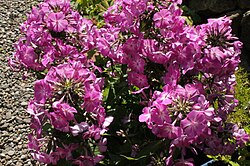
Understanding the Phlox Genus
Phlox consists of 68 species of annual and perennial plants. While the vast majority are native to North America, one species is found in Siberia. These plants are highly adaptable, thriving in diverse habitats that include open woodlands, prairies, and alpine tundra.
The flowers are the primary attraction, appearing in shades of white, pale blue, violet, pink, and bright red. Many varieties are highly fragrant, making them a favorite for sensory gardens. Depending on the species, phlox may bloom in the spring, summer, or fall.
Botanical Characteristics
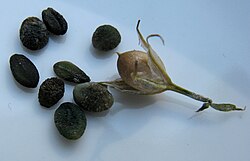
From a botanical perspective, fertilized phlox flowers typically produce a single, relatively large seed. The fruit is a longitudinally dehiscent capsule—a seed pod that splits open lengthwise—featuring three or more valves. In some species, these capsules separate explosively to disperse their seeds.
Popular Types of Phlox
Phlox species vary significantly in their growth habits, which determines how they are used in landscaping.
Garden Phlox (Phlox paniculata)
Known as tall phlox, Phlox paniculata is a native American wildflower found from New York to Iowa, and south to Georgia, Mississippi, and Arkansas. It grows upright and typically blooms from July to September.
Creeping Phlox (Phlox subulata)
Also called moss phlox or mountain phlox, this variety grows in a short, matlike fashion. It spreads rapidly, making it an excellent ground cover for banks, slopes, or the spaces beneath tall trees. Its stems become woody as they age, and it typically blooms in the spring.
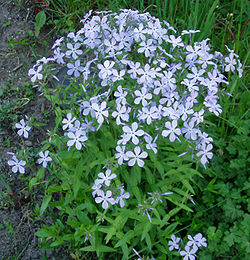
Woodland Phlox (Phlox divaricata)
As the name suggests, this species is adapted to the filtered light of forest environments, preferring the partial shade and moist, organic soil found in woodlands.
Other Notable Species
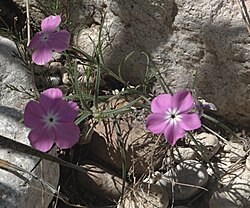
The genus is vast, including specialized species such as Phlox triovulata (three-seed phlox), found in regions like New Mexico, and Phlox drummondii, which is a notable exception to the genus as it is an annual rather than a perennial.
Ecological Importance
Phlox plants play a vital role in supporting local wildlife. Their foliage serves as a food source for the larvae of several Lepidoptera (butterflies and moths), including the dot moth, Gazoryctra wielgusi, and the hummingbird hawk-moth. Notably, the moth Schinia indiana feeds exclusively on Phlox pilosa.
Beyond insects, phlox is a popular food source for larger mammals, including deer, rabbits, and groundhogs. Because of their nectar-rich blooms, they are also highly effective at attracting butterflies to the garden.
Cultivation and Care
Successful cultivation of phlox depends on matching the species to the correct environmental conditions.
- Sun and Soil: Alpine species and P. subulata require full sun and well-drained soil. Woodland species like P. divaricata thrive in partial shade and humus-rich soil. P. paniculata prefers fertile, evenly moist soil with full to partial sunlight.
- Propagation: Phlox can be propagated through seeds, clump division, or stem cuttings.
- Maintenance: To encourage extended flowering, gardeners should remove spent flower clusters (deadheading). Taller varieties benefit from strategic spacing to ensure good air circulation, which helps prevent powdery mildew, a common fungal disease.
- Long-term Care: Garden phlox should be divided every few years to maintain plant vigor and prevent overcrowding. After the blooming season ends, stems can be cut back nearly to ground level.
While generally hardy, phlox can be susceptible to rust, leaf spots, stem nematodes, and powdery mildew. However, many resistant cultivars are available for home gardeners.
Phlox Quick Reference Guide
| Common Name | Scientific Name | Growth Habit | Preferred Light | Bloom Period |
|---|---|---|---|---|
| Garden Phlox | P. paniculata | Upright/Tall | Full to Partial Sun | July - September |
| Creeping Phlox | P. subulata | Matlike/Groundcover | Full Sun | Spring |
| Woodland Phlox | P. divaricata | Clumping | Partial Shade | Spring |
Key Facts
- Genus Size: 68 species of annuals and perennials.
- Origin: Primarily North American, with one species in Siberia.
- Etymology: Named after the Greek word for "flame."
- Seed Dispersal: Uses a longitudinally dehiscent capsule, sometimes explosive.
- Wildlife Value: Attracts butterflies and supports specific moth larvae.
- Primary Habitats: Ranges from alpine tundra to open woodlands and prairies.
Frequently Asked Questions
Which phlox is best for ground cover?
Phlox subulata, also known as creeping phlox or moss phlox, is the best choice for ground cover due to its matlike growth habit and ability to spread rapidly over slopes and banks.
How do I prevent powdery mildew on my phlox?
You can reduce the risk of powdery mildew by spacing plants to allow for maximum air circulation and by selecting resistant cultivars.
Are all phlox plants perennials?
Most cultivated phlox are perennials, but Phlox drummondii is a notable exception as it is an annual.
What are the best soil conditions for Garden Phlox?
Phlox paniculata performs best in fertile soil that is kept evenly moist, with exposure to full or partial sunlight.
Which animals are attracted to phlox?
Phlox attracts butterflies and various moth species, as well as mammals such as deer, rabbits, and groundhogs.