Paraguayan War: The Deadliest Conflict in Latin American History
The Paraguayan War, also widely known as the War of the Triple Alliance, stands as the most lethal inter-state conflict in the history of Latin America. Spanning from November 13, 1864, to April 8, 1870, this brutal struggle pitted Paraguay against a powerful coalition consisting of the Empire of Brazil, Argentina, and Uruguay. What began as a regional political dispute escalated into a total war that devastated the Paraguayan population and redrew the borders of the Platine region.
The conflict was characterized by a shift from conventional military campaigns to a grueling guerrilla resistance. While the Triple Alliance eventually secured victory, the cost was staggering, leaving Paraguay in a state of demographic and economic collapse.
Key Facts
- Duration: 5 years, 4 months, and 3 weeks (1864–1870).
- Belligerents: Paraguay vs. the Triple Alliance (Brazil, Argentina, and Uruguay).
- Casualties: Estimated between 150,000 and 500,000 dead, with Paraguay suffering the most immense losses.
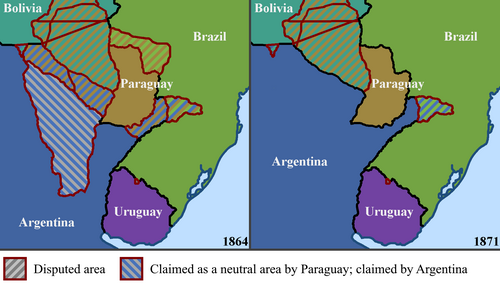
- Outcome: Allied victory; Paraguay ceded disputed territories to Brazil and Argentina.
- Final Blow: The war ended with the death of Paraguayan President Francisco Solano López on March 1, 1870.
Origins of the Conflict
Territorial and Political Tensions
The roots of the war lay in complex territorial disputes and the volatile political climate of the Rio de la Plata basin. While Brazil had recognized Paraguay's independence in 1844, Argentina initially viewed Paraguay as a breakaway province. Tensions peaked due to the instability in Uruguay, where a struggle between the Blanco Party (allied with Paraguay) and the Colorado Party created a regional powder keg.
The Uruguayan Prelude
In 1863, General Venancio Flores led the Colorado Party in an invasion of Uruguay with covert support from Argentina. Brazil also intervened militarily in Uruguay. President Francisco Solano López of Paraguay viewed these interventions as a threat to the regional balance of power. After Argentina refused Paraguayan requests for an explanation regarding its involvement in Uruguay, López mobilized his forces, drafting an additional 64,000 men into the army by early 1864.
Opposing Forces
Paraguay's Initial Strength
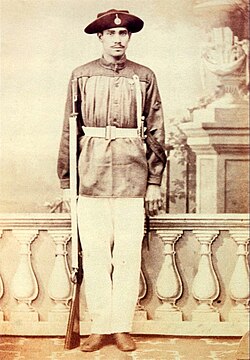
At the onset, Paraguay possessed a formidable and well-trained military. Their forces included over 60,000 trained men, 400 cannons, and a naval squadron of 23 steamboats and five river-navigating ships, including the gunboat Tacuarí.
The Triple Alliance
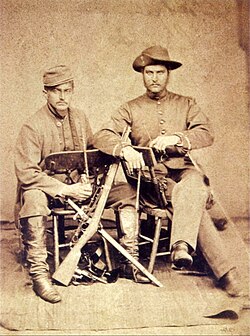
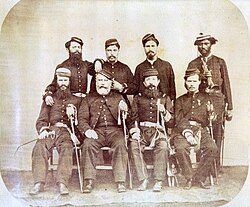
Initially, the combined regular forces of Brazil, Argentina, and Uruguay were smaller than those of Paraguay. However, Brazil held a decisive advantage in naval power, deploying 45 ships with 239 cannons. Over the course of the war, Brazil mobilized approximately 146,000 personnel, including the Fatherland Volunteers (Voluntários da Pátria), National Guardsmen, and thousands of ex-slaves who were granted freedom in exchange for military service.
Course of the War
The Paraguayan Offensive
Paraguay seized the initiative in December 1864 by invading the Brazilian province of Mato Grosso. This was followed by incursions into the Brazilian province of Rio Grande do Sul and the Argentine province of Corrientes in 1865. The invasion of Corrientes prompted Argentina to formally enter the war, solidifying the Triple Alliance.
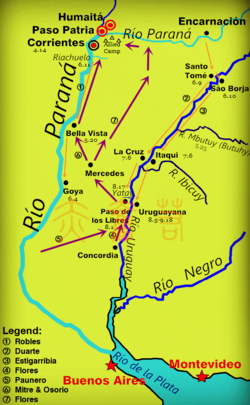
Allied Counterattack and Invasion
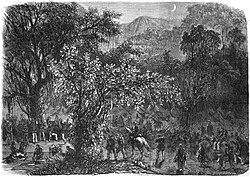
By late 1865, the Alliance shifted to the offensive. A critical turning point occurred at sea during the Battle of Riachuelo, where Brazilian steamers rammed and disabled Paraguayan ships, securing naval dominance of the river systems.
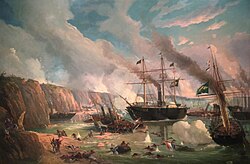
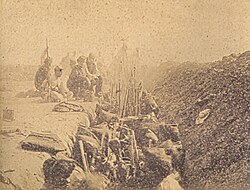
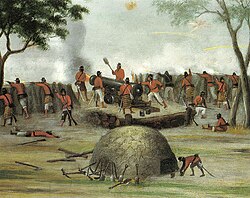
In April 1866, Allied armies crossed the Paraná River to invade the Paraguayan mainland. Despite some early setbacks, such as the Battle of Curupayty, the Allies pushed forward. The siege of Humaitá became a central focal point of the struggle, eventually falling after a prolonged effort.
The Fall of Asunción and Guerrilla War
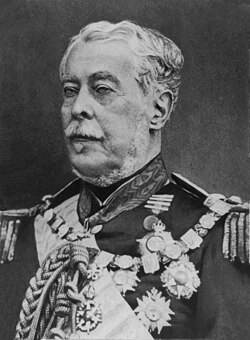
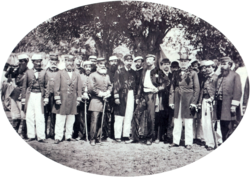
Under the command of the Duke of Caxias, the Imperial Brazilian Army eventually captured the capital, Asunción, on January 1, 1869. However, the war did not end with the fall of the city. President Solano López retreated into the interior, conducting a desperate guerrilla campaign for 14 months.
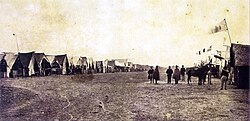
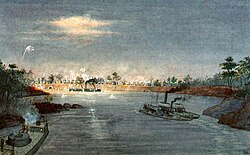
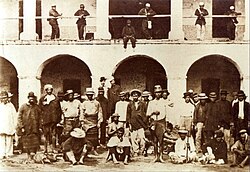
During this final phase, López conscripted children and slaves to fill the gaps in his depleted army. Many soldiers fought without uniforms or shoes. The conflict finally concluded at the Battle of Cerro Corá on March 1, 1870, where López was killed by Brazilian forces.
The Human and Material Cost
Casualties and Demographics
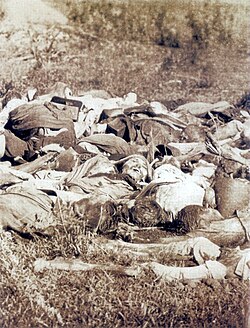
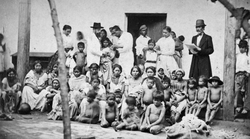
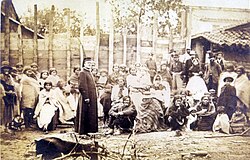
The war's impact on Paraguay was cataclysmic. Beyond the soldiers killed in battle, hundreds of thousands of civilians perished from hunger and disease. An 1871 census revealed a skewed population: of 221,079 inhabitants, only 28,746 were adult men.
Social and Ethnic Dimensions
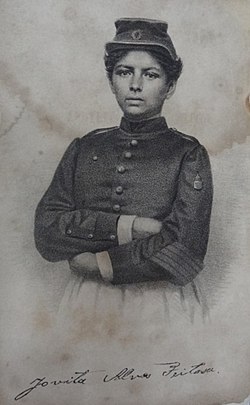
The war saw diverse participants, including Afro-Brazilians and indigenous peoples. Notably, some women disguised themselves as men to enlist; Jovita Feitosa is a prominent example of a woman who joined the Fatherland Volunteers in disguise.
Aftermath and Legacy
Territorial Changes and Treaties
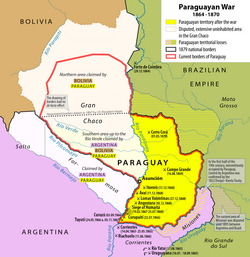
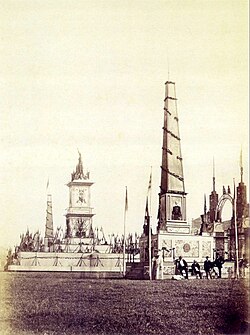
The war ended with the Treaty of the Triple Alliance and subsequent bilateral treaties (Loizaga–Cotegipe and Machaín-Irigoyen). Paraguay lost approximately 140,000 square kilometers of disputed territory to Brazil and Argentina. Much of this land was rich in yerba mate, leading Brazil to become the leading producer of the crop by the end of the century.
Financial Impact
Brazil incurred massive debts to fund the war, spending nearly 614,000 réis. This was financed through a combination of foreign and domestic loans, taxes, and the emission of paper money and titles.
Historical Interpretations
Some revisionist theories suggest that the British government instigated the war to protect its economic interests or secure cotton sources during the American Civil War. However, most modern historians argue there is little evidence to support this, noting that Britain and Brazil actually had strained diplomatic relations during the early years of the conflict.
| Category | Paraguay | Triple Alliance (Brazil, Argentina, Uruguay) |
|---|---|---|
| Primary Leaders | Francisco Solano López | Pedro II, Duke of Caxias, Bartolomé Mitre |
| Initial Strength | ~60,000 trained men | ~175,000 (cumulative total) |
| Estimated Deaths | 175,000 – 300,000 | 50,000 – 200,000 (combined) |
| Key Result | Defeat; loss of territory | Victory; secured river navigation |
Frequently Asked Questions
Why did the Paraguayan War start?
The war was triggered by regional tensions and territorial disputes, specifically sparked by Brazil's military intervention in Uruguay and Paraguay's subsequent invasion of Mato Grosso and Corrientes to support its allies and maintain regional influence.
Who was Francisco Solano López?
He was the President of Paraguay and the commander of its forces. He led the country through the entire conflict and continued a guerrilla resistance until his death in 1870.
What was the 'Triple Alliance'?
The Triple Alliance was a military coalition formed by the Empire of Brazil, Argentina, and Uruguay to defeat Paraguay.
How did the war affect Paraguay's population?
The war had a devastating demographic impact, killing a vast portion of the male population through combat, disease, and famine, leaving the country with a severe gender imbalance for decades.
Did Great Britain cause the war?
While some theories claim Britain manipulated the conflict for economic gain, most historians find no evidence for this, pointing out that Britain often urged the parties to avoid hostilities.