Papal Conclave of March 2013: The Election of Pope Francis
In March 2013, the eyes of the world turned to the Vatican City for one of the most secretive and significant events in the Catholic Church: the papal conclave. A conclave is the formal assembly of cardinal electors gathered to choose a new pope. Following the resignation of Pope Benedict XVI, the College of Cardinals convened to determine the future leadership of the Holy See.
The process took place within the historic walls of the Sistine Chapel, located in the Apostolic Palace. Between March 12 and 13, 115 cardinal electors engaged in a series of ballots to reach the required majority, eventually electing Jorge Mario Bergoglio, who assumed the name Pope Francis.
Key Facts
- Dates: 12–13 March 2013.
- Location: Sistine Chapel, Apostolic Palace, Vatican City.
- Electors: 115 Cardinals.
- Outcome: Election of Jorge Mario Bergoglio (Pope Francis).
- Total Ballots: 5.
- Key Officials: Angelo Sodano (Dean), Tarcisio Bertone (Camerlengo), and Lorenzo Baldisseri (Secretary).
The Election Process and Pre-Conclave Events
Before the formal voting began, the cardinals participated in general congregations. These meetings allowed the electors to discuss the current state of the Church and the qualities needed in the next pontiff. During this period, speculation grew regarding the papabili—a term used to describe cardinals who are considered likely candidates for the papacy.
The transition was marked by strict protocols. To ensure the integrity of the vote, the Vatican imposed a media blackout and stripped the cardinals of social media devices. The process began formally on March 12 with the Holy Mass Pro eligendo Pontifice (for the election of a Pope), followed by a solemn procession into the Sistine Chapel.
The Voting Timeline and Results
The election was decided over five ballots. While official results are kept secret, speculative data attributed to Gerald O'Connell provides a detailed look at how the momentum shifted toward Cardinal Bergoglio.
Day One: March 12
The first ballot saw a fragmented field. Cardinal Angelo Scola initially led the count, but Jorge Bergoglio emerged as a strong second candidate.
Day Two: March 13
By the morning of the second day, Bergoglio took the lead. His support grew steadily through the third and fourth ballots, culminating in a decisive victory during the fifth ballot.
| Ballot | Jorge Bergoglio | Angelo Scola | Marc Ouellet | Others |
|---|---|---|---|---|
| 1st Ballot | 26 | 30 | 22 | 37 |
| 2nd Ballot | 45 | 38 | 24 | 8 |
| 3rd Ballot | 56 | 41 | 15 | 3 |
| 4th Ballot | 67 | 32 | 13 | 3 |
| 5th Ballot | 85 | 20 | 8 | 2 |
Post-Conclave Events
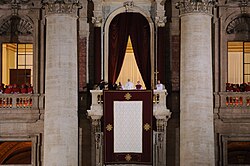
Upon his election, Jorge Mario Bergoglio chose the name Francis. His emergence as the first pope from the Americas marked a historic shift for the Church. Following the announcement of Habemus Papam ("We have a Pope"), the new pontiff appeared on the loggia of St. Peter's Basilica to address the crowds.
In the aftermath of the election, various reports and speculations emerged regarding surveillance during the conclave, including claims that the United States may have spied on the proceedings, though these remained speculative.
Frequently Asked Questions
Who were the main candidates in the 2013 conclave?
The primary candidates, or papabili, included Cardinals Jorge Mario Bergoglio, Angelo Scola, and Marc Ouellet.
How many cardinals voted in the election?
There were 115 cardinal electors who participated in the process.
How many ballots were required to elect Pope Francis?
It took five ballots for Jorge Mario Bergoglio to secure the necessary majority of votes.
Where does a papal conclave take place?
The conclave is held in the Sistine Chapel, located within the Apostolic Palace in Vatican City.
What is the role of the Camerlengo during the vacancy?
The Camerlengo, held by Tarcisio Bertone during this period, is the official responsible for administering the property and temporal affairs of the Holy See during the sede vacante (vacant seat) period.